
Last updated November 14, 2026
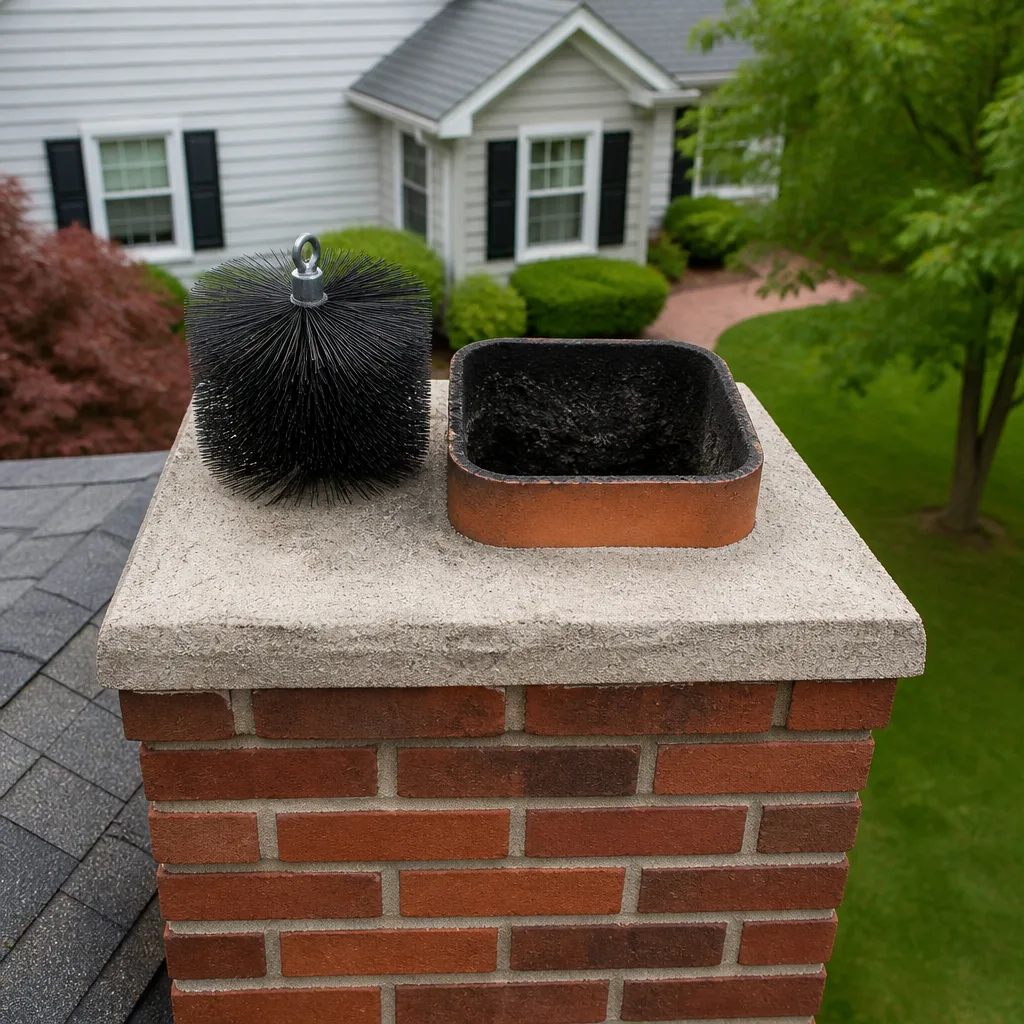 Sweep & inspection
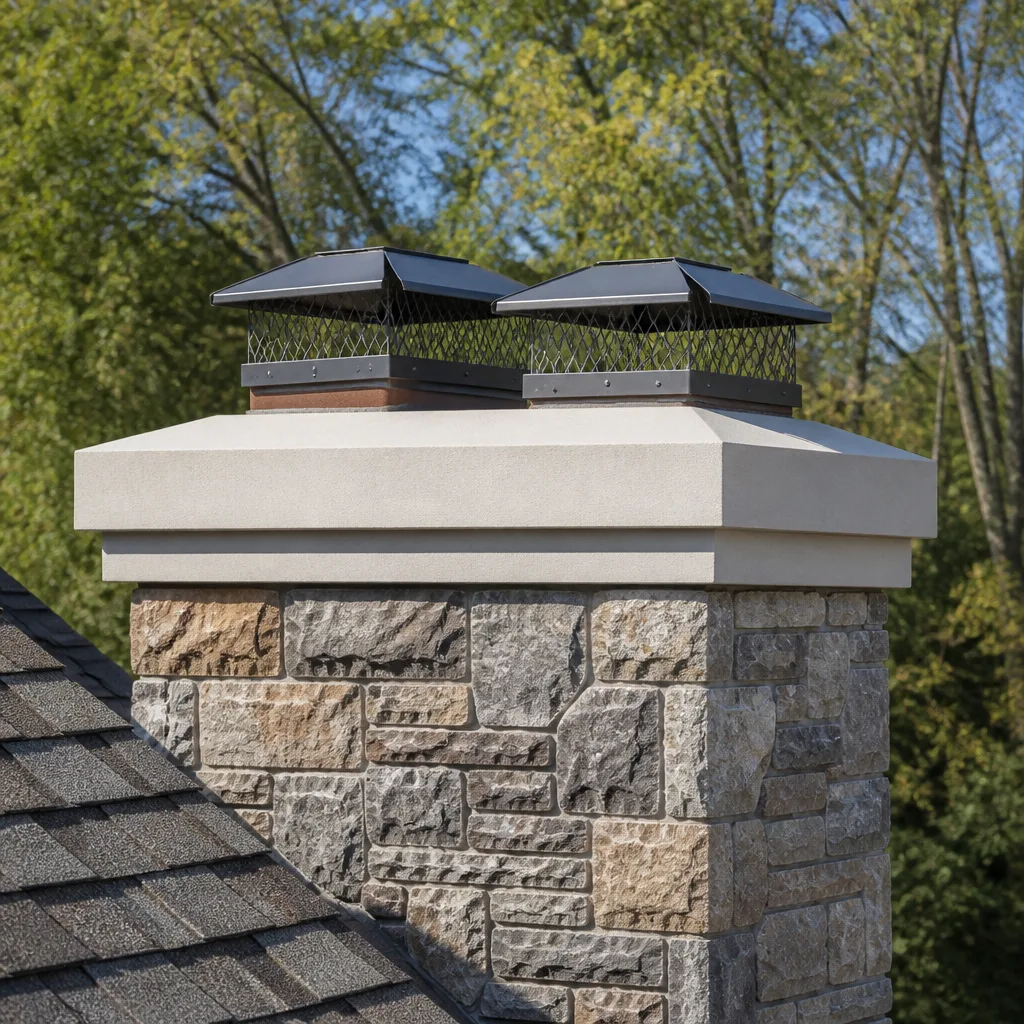 Caps & crowns
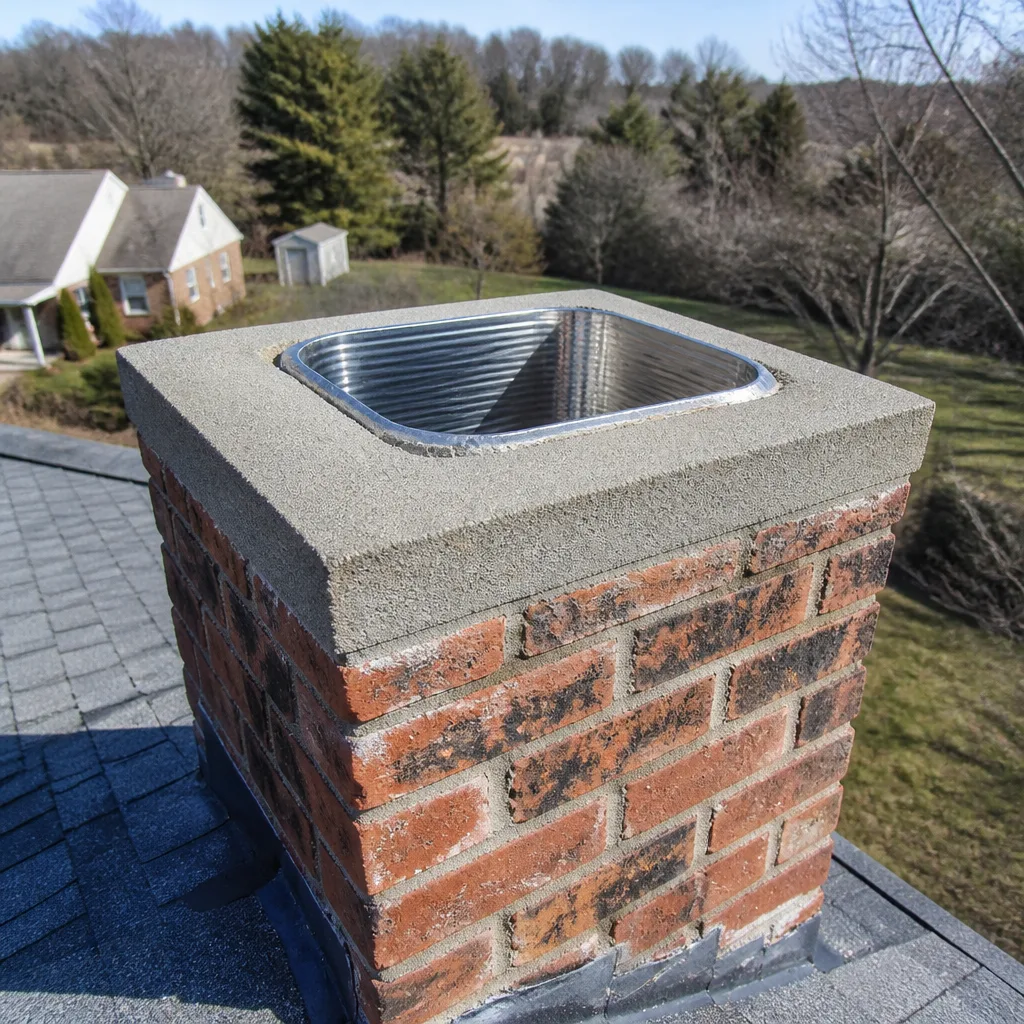 Flue relining
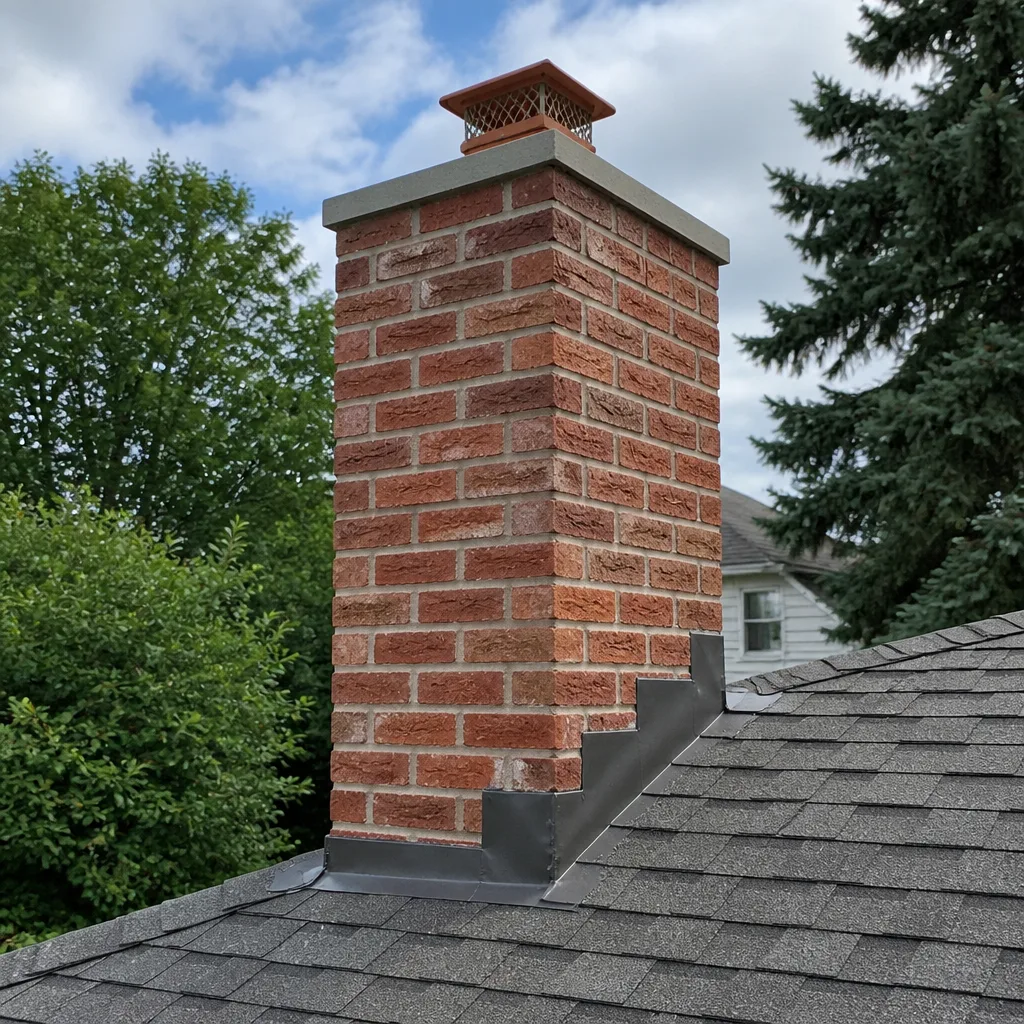 Masonry repair
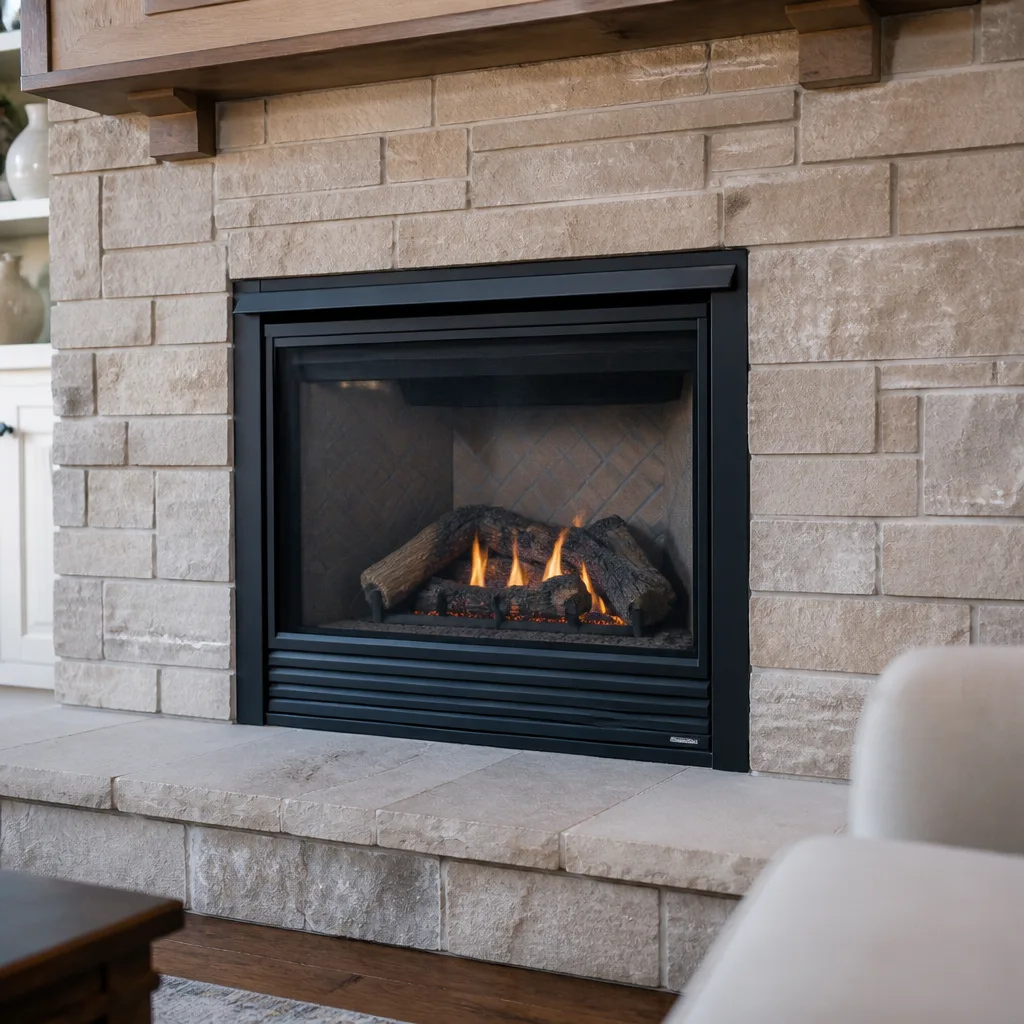 Gas fireplace service
Level 1 sweep and inspection to the NFPA 211 annual standard - flue, crown, cap, and flashing checked and photographed
Chimney sweep logs do not sweep chimneys. They loosen some creosote - which then falls where a brush and vacuum still have to collect it.
The Complete Guide to Chimney Cleaning in Salt Lake City
Most chimney advice you’ll find online was written for a colonial house in New England with a steady four-month burn season and plenty of rain. Salt Lake City doesn’t work that way. Here in the valley, our burn season is shaped by temperature inversions that trap cold air against the Wasatch Front, pushing homeowners to burn harder and longer than they planned, often in shorter, hotter bursts when the smog layer settles in. That pattern leaves a creosote signature a generic annual-sweep schedule doesn’t account for. This guide covers what’s actually happening inside Salt Lake City flues, how inspections are graded, what elevation and dry air do to draft, and what a real diagnostic clean looks like from the moment a technician walks in to the written report you keep.
Quick Answer
Chimney cleaning in Salt Lake City is a professional sweep plus an inspection, and it typically costs $150 to $350 for a standard flue depending on accessibility, creosote level and whether a camera inspection is included. Most homes burning wood regularly need it once a year, but Salt Lake City’s inversion seasons often push that to every cord burned or every twelve months, whichever comes first. If you’ve burned through a heavy inversion winter with a wood stove or open fireplace, you likely need a Level 2 camera inspection, not just a brush-and-go.
Styles & brands we work with
- Sweep & inspection
- Caps & crowns
- Flue relining
- Masonry repair
- Gas fireplace service
Table of Contents
- Why Salt Lake City Chimneys Age Faster Than the National Average
- Creosote Degrees: What Actually Builds Up in Your Flue
- Level 1, 2 and 3 Inspections: Which One Do You Need?
- How Salt Lake Valley Elevation and Dry Air Affect Draft
- Anatomy of a Professional Chimney Cleaning
- Trade-Grade Tools vs. Sweep-and-Go Service
- A Realistic Timeline: Arrival to Written Report
- What Chimney Cleaning Costs in Salt Lake City
Why Salt Lake City Chimneys Age Faster Than the National Average
Salt Lake City ranks among the worst cities in the U.S. for air quality inversions, and that has a direct consequence inside your chimney. When a winter inversion traps cold air under a warm layer against the Wasatch Mountains, temperatures drop faster and stay lower than the valley forecast suggests. Homeowners respond by burning more often, and often by damping the fire down to stretch a load of wood through a cold night. That long, slow, smoldering burn is exactly the condition that accelerates creosote formation.
The pattern is consistent across the valley. In a mild winter along the Wasatch Front, a household might burn two cords and end the season with light soot and a modest dusting of creosote. In an inversion-heavy winter, that same household can burn four or five cords, and the flue ends up coated in a much heavier deposit that brushes off in hard, shiny flakes rather than soft powder. We see this in neighborhoods from the Avenues down through Sugar House and out toward Rose Park: homes that were fine on the previous year’s sweep are suddenly overdue after one bad inversion stretch.
The practical takeaway is that Salt Lake City homeowners can’t rely on a fixed calendar date for cleaning. A sweep scheduled in late October, before inversion season begins, may not reflect what actually happened during the burn. The better pattern is to schedule cleaning after the season closes, or mid-season if you’ve been burning steadily through a prolonged inversion. That timing gives you a flue inspection that reflects real use rather than a guess at what’s coming.
One more local factor: the valley’s housing stock includes a lot of older brick chimneys mixed with newer inserts and gas appliances, and those older masonry flues were often built before modern liner standards. That combination means age, materials and inversion-driven burn volume vary block by block.
Creosote Degrees: What Actually Builds Up in Your Flue
Creosote is the unburned byproduct of wood combustion, and it comes in three recognized stages. Knowing which one you’re dealing with tells you what kind of cleaning and inspection the job actually requires. A sweep who brushes a Level 1 flue and leaves is fine. A sweep who tries the same approach on Level 3 creosote is a real hazard.
First-degree creosote looks like soot or light dust. A stiff chimney brush removes it cleanly. Most well-maintained Salt Lake City flues in a light burn year fall into this category.
Second-degree creosote is darker, often flaky or crusty. Brushing alone cuts through some of it, but a rotary tool or chemical treatment may be needed. These are the flues we see most often after inversion winters where the homeowner staged the fire at low output for long stretches.
Third-degree creosote is the dangerous stage. It’s glazed, hard, and bonded to the flue wall like a shellac. It won’t brush off, and it can ignite from a single hot ember or a hot-chimney condition. Third-degree creosote is the leading cause of chimney fires, and once it forms, the chimney also needs a Level 2 or Level 3 inspection because the heat that formed a glaze can also have cracked the flue.
- First degree: soot and light dust, brushes clean, most common in Salt Lake City homes after a mild burn season.
- Second degree: flaky and crusted, needs rotary tools or chemical treatment, common after a long inversion winter.
- Third degree: glazed and hard, needs professional removal and inspection, the one stage you don’t want to discover late.
What makes third-degree creosote especially relevant here is timing. The Wasatch Front inversion seasons tend to stretch from late fall through late winter, and the fires that most efficiently produce glazed creosote are exactly the ones homeowners keep going through a long cold stretch. If you’ve burned more than two cords this season, your flue is a candidate for at least a Level 2 inspection regardless of the standard twelve-month rule.
Level 1, 2 and 3 Inspections: Which One Do You Need?
Inspection levels are a standardized framework that every trained chimney professional uses, and the difference between them is what actually gets seen, not just how thorough the sweep is. Picking the right level matters in Salt Lake City because our burn pattern shapes which defects actually show up.
- Level 1 – the routine annual inspection. Visual check of the accessible parts of the fireplace, firebox and flue opening, without special tools. Suitable for a flue with a known history, no changes to the appliance or fuel type, and no signs of trouble. Most Salt Lake City homes that burn lightly and have no history of chimney fires can stay on a Level 1 cycle.
- Level 2 – the camera inspection. Adds a video scan of the entire flue interior, plus inspection of the chimney’s exterior, attic and crawl space reachable portions. Recommended whenever a home has switched fuel types, added or replaced an insert, had a chimney fire or a sudden draft problem, or burned through a heavy inversion winter. This is the level most Salt Lake City homeowners need after a hard season.
- Level 3 – the diagnostic inspection. Reserved for suspected hazards that require opening part of the chimney structure, such as removing a section of wall or a chimney crown. Used after a known chimney fire, a visible crack, or a confirmed obstruction.
The most common mistake we see in Salt Lake City is a homeowner scheduling a Level 1 sweep in hopes of a quick price, but the flue staged at second or third-degree creosote needs Level 2 to be answered properly. A camera inspection is how you and your technician can both see the same thing, and it’s the difference between “we think you might need a liner” and a report that shows exactly where the flue is compromised and why.
If your home has a masonry flue and an older firebox, or you’ve added a gas insert in the last few years, a Level 2 inspection is the right starting point. It establishes a baseline and produces photos you keep for the next technician.
How Salt Lake Valley Elevation and Dry Air Affect Draft
Salt Lake City sits at roughly 4,300 feet above sea level, and the Wasatch Front’s dry air and elevation combine to shape how well a chimney actually drafts. Lower air density at elevation means a flue has less mass per cubic foot to work with on both the intake and exhaust side. In practice, that means a flue that drafts fine at sea level can struggle here if the sizing is off or the stack isn’t tall enough to overcome the valley’s temperature swings.
The local dry air is the second piece. Very dry air keeps the wood itself dry, which sounds like good news, and mostly is. But dry, fast-burning wood also produces more heat per firebox volume, and a hot fire in an undersized or short flue creates a flue gas volume the stack can’t clear quickly enough. The visible result is smoke back-puffing into the room, an odor that lingers after the fire dies, and a creosote signature that concentrates in the upper sections of the flue rather than evenly throughout.
Chimney draft is worsened by:
- A flue that’s short for the appliance it serves, common in older Salt Lake City masonry chimneys built for smaller fireboxes.
- A flue running up a cold exterior wall without insulation around it, more common in the valley’s older homes.
- An unsealed or cracked flue tile that lets cold attic air back down the stack between fires.
- A fire that’s damped down too hard for too long, which produces less heat for the draft and more creosote for the flue.
When a draft issue is confirmed, the fix usually runs to proper flue sizing and a smooth, sealed liner. That’s where relining comes into the picture, and it’s the kind of repair-grade work that sits beyond a basic sweep. If you’re noticing draft trouble on your Salt Lake City home, the right next step is a Level 2 camera inspection before anything else.
Anatomy of a Professional Chimney Cleaning
A thorough chimney cleaning in Salt Lake City follows a clear sequence, and understanding it helps you recognize when a service is cutting corners. The sequence isn’t complicated, but each step matters, and skipping one is how small problems become expensive ones.
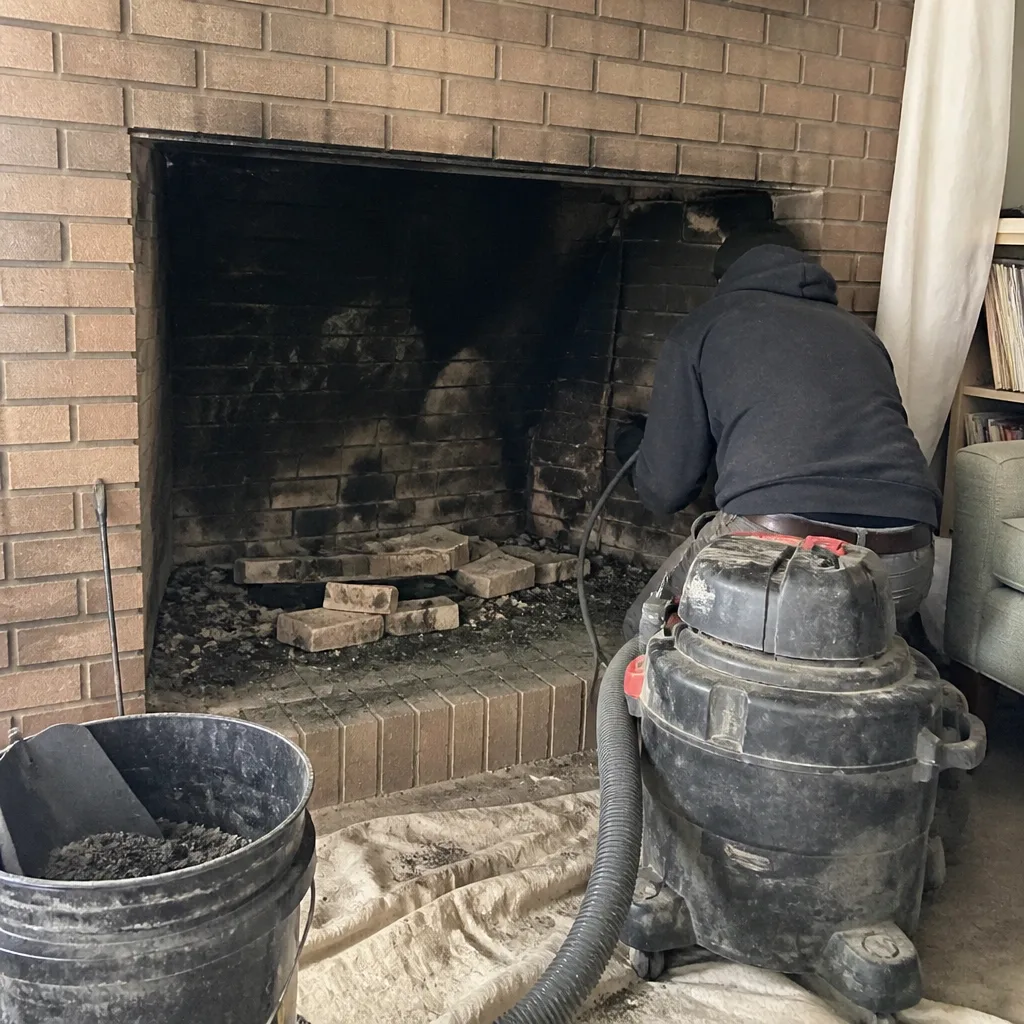
- Setup and protection. Drop cloths or a canvas tarp go down over the hearth and surrounding floor. A vacuum with a HEPA filter runs throughout the job to capture soot before it settles.
- Firebox and flue opening clearing. Ash, debris and any birds’ nests or leaves get removed. Then the flue itself is brushed from the top or bottom, depending on access, using the correct brush diameter for the flue liner material.
- Creosote treatment. If the deposit is second or third degree, mechanical rotary tools or a chemical treatment are used before brushing. Glazed creosote has to be broken down, not scrubbed at.
- Camera inspection. A video scan of the full flue length confirms cleanliness and shows defects. This is where cracks, gaps in flue tiles, misaligned joins and failed mortar show up on screen.
- Exterior check. The crown, cap, flashing and any signs of moisture intrusion are reviewed. In Salt Lake City, a cracked crown is common after the freeze-thaw cycles between winter storms.
- Report. A written summary with photos, the creosote level found, and any recommended repairs. This report is yours to keep and useful for future reference or for a home sale.
A full clean on an average single-flue home in Salt Lake City typically takes one to two hours. More complex or heavily fouled flues, or a home with multiple flues or an insert, take longer. The important thing to know is that the report and the camera inspection aren’t upsell window dressing; they’re how the technician knows what they swept actually came clean.
Trade-Grade Tools vs. Sweep-and-Go Service
The gap between a professional chimney cleaning and a cheap sweep comes down to materials and depth of service. A basic sweep brushes the flue, bags the soot and leaves with a verbal “you’re good.” A trade-grade service brings the right tools, inspects properly and, when a repair is needed, has access to professional product lines rather than hardware-store patch kits.
A trade-grade clean includes:
- Correct-diameter, appropriate-material brushes for the flue liner, so metal brushes don’t score a clay liner or a stainless liner.
- HEPA filtration and dust control, not a bedsheet taped to the fireplace.
- Rotary and chemical creosote removal tools for second and third-degree deposits.
- A camera inspection of the full flue, not just a peek at the top.
- Access to professional repair and relining systems when the inspection finds something.
That last point is the real divider. When a camera finds cracked flue tiles or failed mortar, the right fix often involves a durable liner system like DuraFlex, or a resurfacing product like HeatShield when the flue is sound but the interior surface needs restoration. For the smaller, individual components around a firebox, the right fittings come from a professional line like Gelco or Copperfield rather than a generic hardware-store part. A basic sweep service can identify a problem, but it can’t always resolve it, and the homeowner is left tracking down a second contractor to do the actual repair work.
We specify DuraFlex and HeatShield on repair and relining projects because those product lines are what professional chimney specialists use nationwide. It’s the same logic as choosing a proper flue brush: the material is the work. If you want to know more about how a proper cleaning fits into the bigger picture of Forge Chimney Cleaning services, that’s the depth of work we bring.
A Realistic Timeline: Arrival to Written Report
The best way to know whether a chimney service is doing the job right is to know what the timeline should look like. Here’s how a full diagnostic clean usually runs for a typical single-flue Salt Lake City home.
First 15 minutes: setup and walk-through. The technician lays down protection, positions the HEPA vacuum, and asks what you’ve noticed: how much you burned, what the draft has been like, whether you’ve had any chimney odors or smoke issues. This conversation shapes the inspection, and it’s not filler.
Next 30 to 45 minutes: the clean itself. The firebox and flue are cleared. The technician brushes the flue and treats any second or third-degree creosote deposit that shows up. If the deposit is heavy, this step runs longer, and the technician may recommend a follow-up visit if a full removal is a bigger job.
Next 15 to 20 minutes: camera inspection and exterior check. The flue gets scanned end to end. The chimney’s exterior, crown and cap are checked. Any defect found gets photographed so it’s documented, not just described.
Last 10 to 15 minutes: written report and next steps. The technician walks you through the findings. If a repair is recommended, they explain what, why and what happens if you wait. The report is yours, and it’s the foundation for any future work.
The whole visit typically runs 70 to 120 minutes for a straightforward clean. If your home has multiple flues or a particularly heavy creosote load, expect longer. One visit often covers both of the top fire hazards in your house if you add dryer vent cleaning to the same appointment.
What Chimney Cleaning Costs in Salt Lake City
Chimney cleaning in Salt Lake City typically runs from $150 to $350 for a standard single-flue sweep with inspection, depending on the creosote level and whether a full camera inspection is included. Heavier creosote or an add-on dryer vent cleaning moves the total higher. Every job at Forge Chimney Cleaning is quoted from a written estimate, so the price you see is the price you pay, agreed before any work begins.
- Basic sweep with Level 1 inspection: roughly $150 to $220 for a standard accessible single flue.
- Level 2 camera inspection included: roughly $220 to $320, the right starting point after a heavy inversion winter.
- Heavy (second or third-degree) creosote removal: quoted additional, often $75 to $200 depending on the deposit.
- Add-on dryer vent cleaning: roughly $100 to $180 in the same visit.
- Repairs found during inspection (relining, resurfacing, crowns): quoted separately from the written report.
Prices vary with accessibility (a rooftop flue with a steep pitch takes longer than a ground-level one), the number of flues in your home, and the creosote stage found. All numbers here are typical estimates for the Salt Lake City market, not a firm quote. The written estimate sets the final price, and the inspection is free.
Common Mistakes to Avoid
- Skipping the inspection because the fire “still works.” A chimney can draft fine and still have cracked flue tiles or a crevice packed with third-degree creosote. Working draft is not evidence the flue is sound.
- Burning through an inversion winter, then waiting until fall for the sweep. Salt Lake City’s burn pattern produces creosote faster than a mild-climate schedule assumes. If you’ve burned hard, get inspected after the season, not eight months later.
- Assuming a low-cost sweep includes a camera. Ask directly whether the price includes a Level 2 video inspection. If it doesn’t, you’re paying a cleaning price but not getting the diagnosis that matters most.
- Accepting a repair recommendation without seeing the evidence. A professional can show you the camera footage and photos before any liner or masonry work is recommended. If the technician can’t show the problem, don’t authorize the repair yet.
- Betting on dry air alone to prevent creosote. Salt Lake’s dry climate does keep firewood dry, but dry wood can burn hotter and faster, and a damped-down fire still produces the long, smoldering burn that forms glazed creosote.
- Ignoring the dryer vent while booking a chimney appointment. Both are top household fire hazards, and having both services done in the same visit saves time and money over booking separately.
- Using a generic brush on a liner it wasn’t made for. Metal brushes score a clay liner, and the wrong brush diameter leaves gaps. Make sure the technician matches the tool to the liner material.
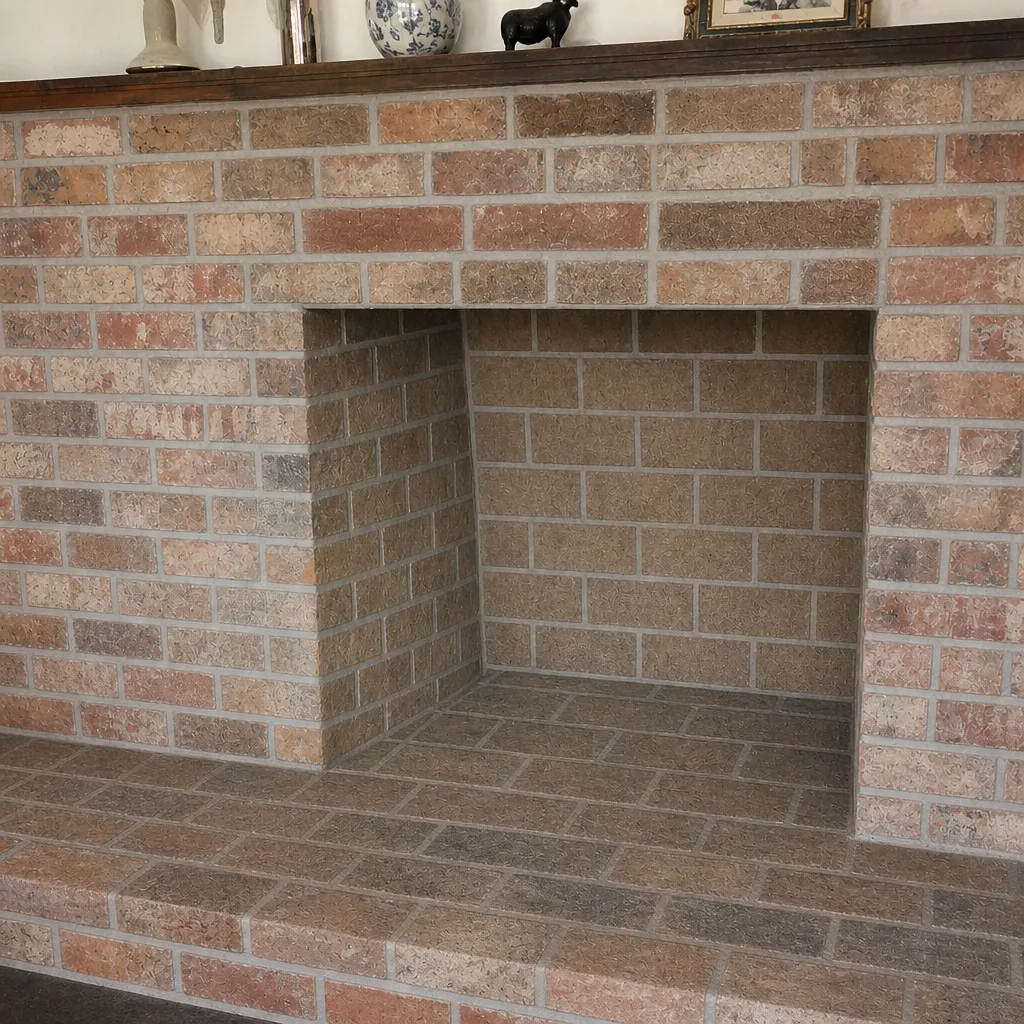
See the difference
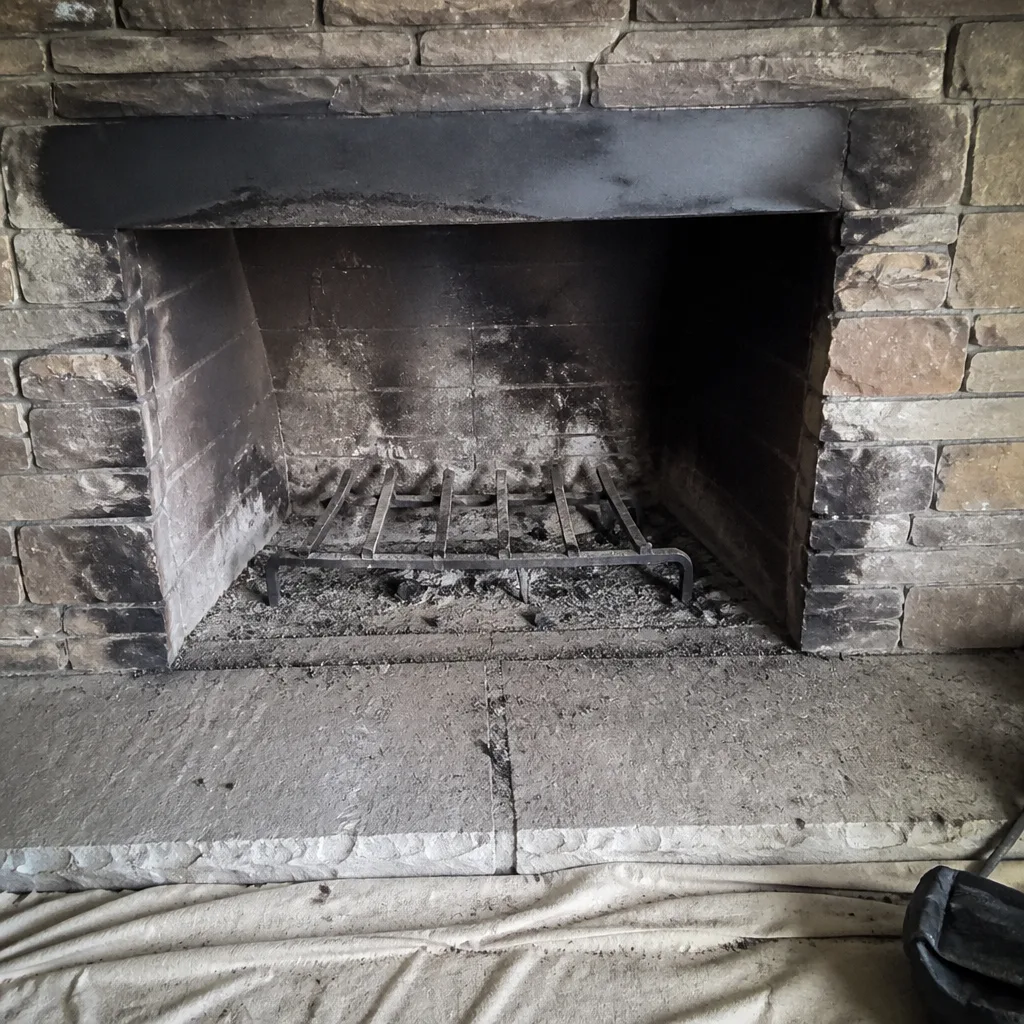 Before
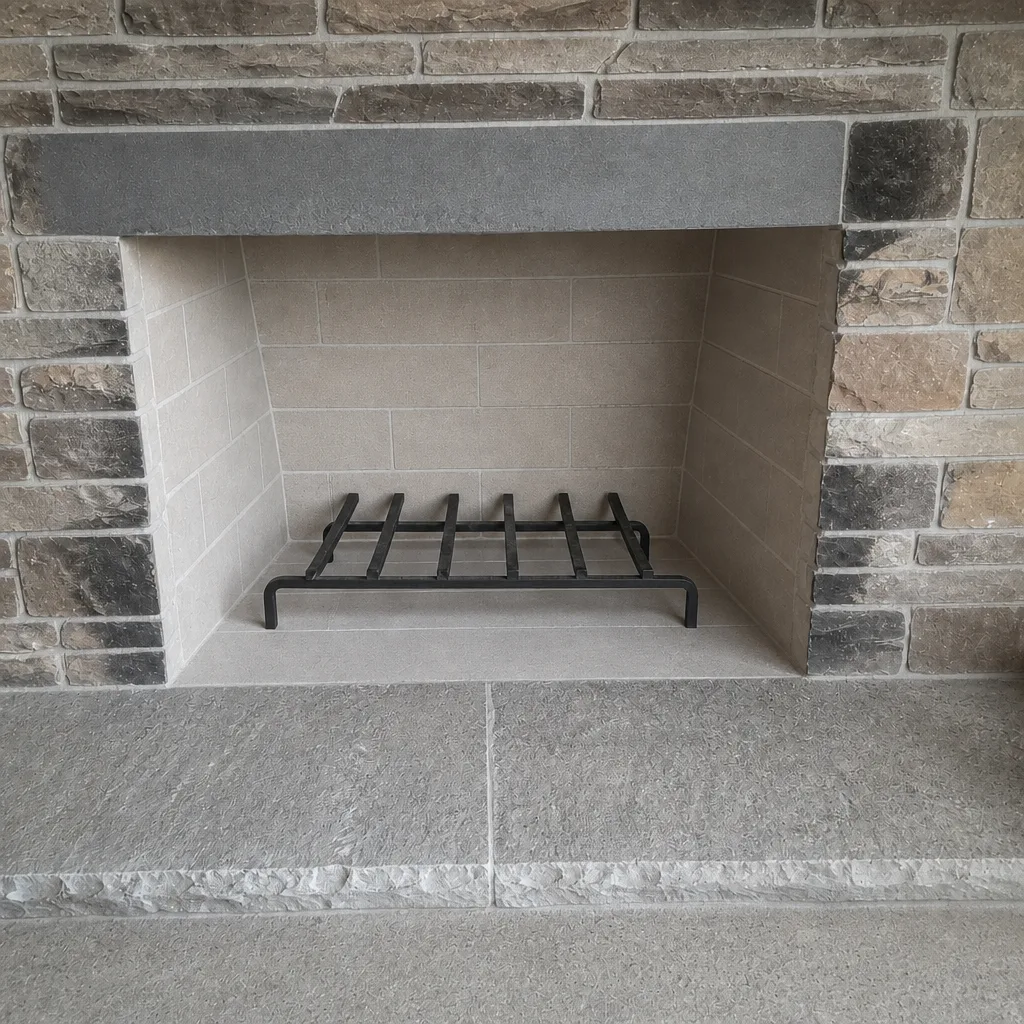 After
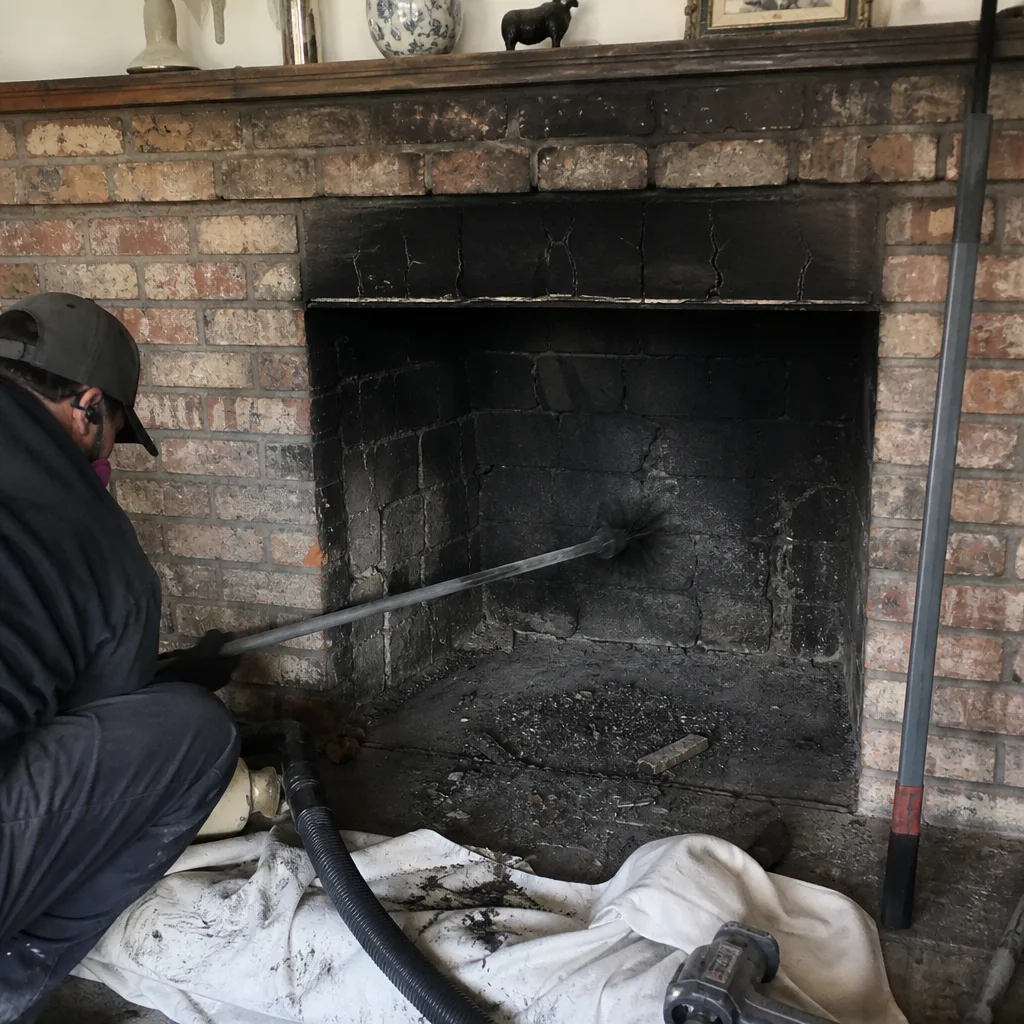 Before
 After
 Before
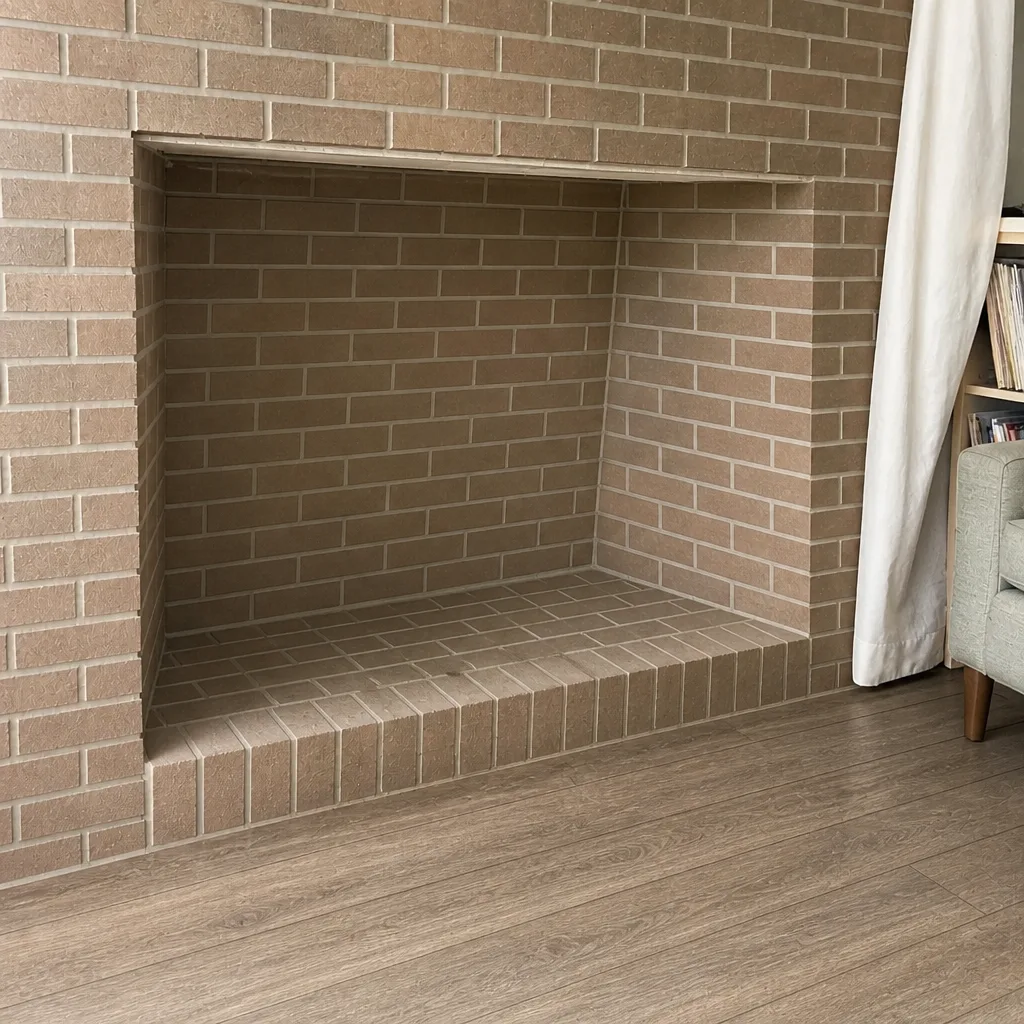 After
When to Call a Professional
Some chimney issues degrade slowly and can wait. Others shouldn’t, and knowing which is which keeps you safe without being pressured into work you don’t need. Call a professional if you’ve burned steadily through an inversion winter and haven’t been inspected since, if you’ve had a sudden draft problem or smoke coming back into the room, if you’ve noticed a strong creosote smell on warm days after the fire is out, or if you’ve had a chimney fire, even a small one. If you’ve just bought a home with a fireplace, a Level 2 inspection before the first fire is a wise first step. Forge Chimney Cleaning offers free estimates in Salt Lake City. Call (833) 497-1153. Every job is quoted from a written estimate, and nothing is recommended without camera evidence you can see. If your flue can safely wait, we’ll tell you. You can also read more about our chimney sweep service before you book.
Frequently Asked Questions
A standard chimney cleaning in Salt Lake City typically runs $150 to $350, depending on creosote level and whether a full camera inspection is included. Heavier deposits or an added dryer vent cleaning push the total higher. Call (833) 497-1153 for an exact quote; estimates are free.
Not always. A liner is recommended when the camera inspection shows cracked flue tiles, failed mortar, gaps, or a flue that’s undersized for the appliance. If the flue interior is sound, a cleaning and possibly a HeatShield resurfacing is often all that’s needed, and that’s cheaper than relining. Ask to see the camera footage before you decide; nothing should be recommended without it.
Once a year is the national baseline, but in Salt Lake City the right schedule is shaped by inversion seasons. If you burn heavily through a long cold stretch, a mid-season or post-season inspection is the safer pattern. If you burned lightly, the standard twelve-month cycle is often fine.
Creosote keeps accumulating, and at the third-degree stage it becomes glazed and hard. That material can ignite from a single ember or hot flue gas, and a chimney fire can damage the flue structure even if the fire stays inside the chimney. Skipping cleaning doesn’t mean a fire happens; it means the risk grows quietly and the eventual repair is bigger. Call (833) 497-1153 to book a sweep before burning season begins.
A Level 1 inspection is a visual check of the accessible flue and firebox, while a Level 2 adds a full video camera scan of the flue interior and checks of the chimney exterior, attic and crawl space reachable portions. For Salt Lake City homeowners after a heavy inversion winter, the Level 2 is usually the right choice because it catches defects a visual check won’t.
Yes, but not in the way most homeowners assume. Dry air keeps firewood dry, which generally helps combustion, but Salt Lake Valley elevation (around 4,300 feet) lowers air density and can make draft performance less forgiving. Combined with inversion-season burn pressure, that means draft problems and creosote buildup both show up more often than a mild-climate guide would suggest. If you’re noticing draft trouble in your Salt Lake City home, a camera inspection is the right first step.
The Bottom Line
Chimney cleaning in Salt Lake City is not a national-schedule product. Inversion seasons push burn volume up, elevation and dry air alter draft, and a heavy winter can move a flue from first-degree soot to second or third-degree creosote faster than a once-a-year reminder assumes. The work that matters is a professional sweep, a camera inspection you can see for yourself, and a written report that tells you what to do next and when it’s safe to wait. Forge Chimney Cleaning sweeps, diagnoses, repairs and relines using DuraFlex and HeatShield, and treats the flue and dryer vent as the two hazards worth covering together. Call (833) 497-1153. We answer 24/7. Fast dispatch from 7am to 7pm, Sunday through Friday.
Written by the team at Forge Chimney Cleaning.