
Last updated November 14, 2026
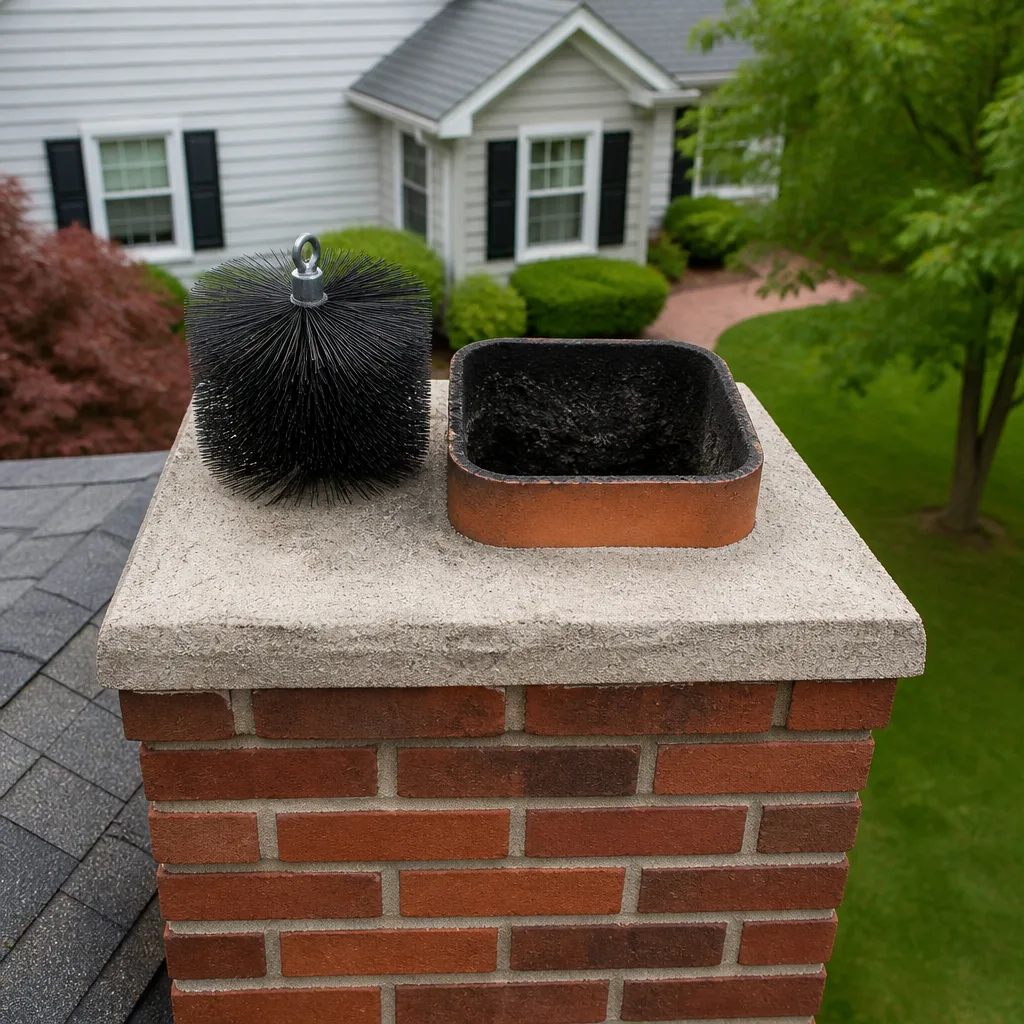 Sweep & inspection
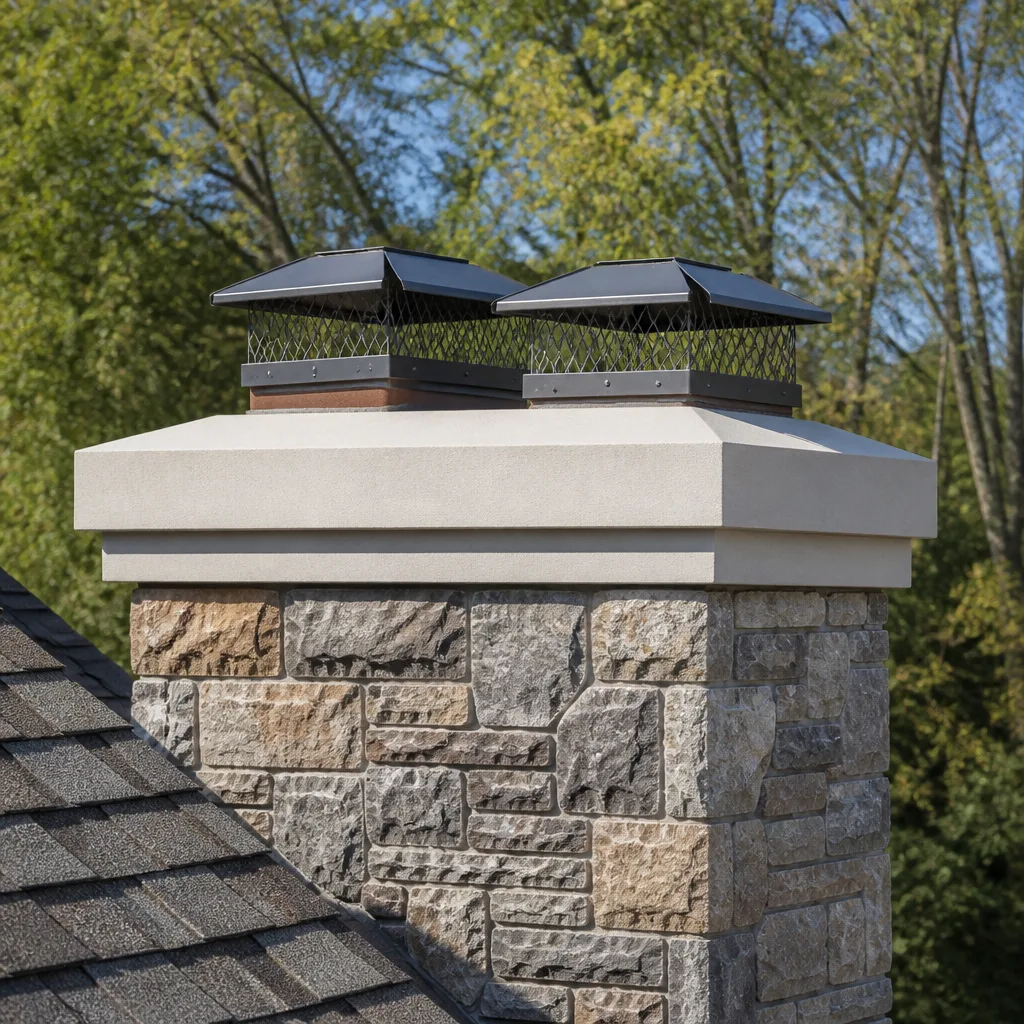 Caps & crowns
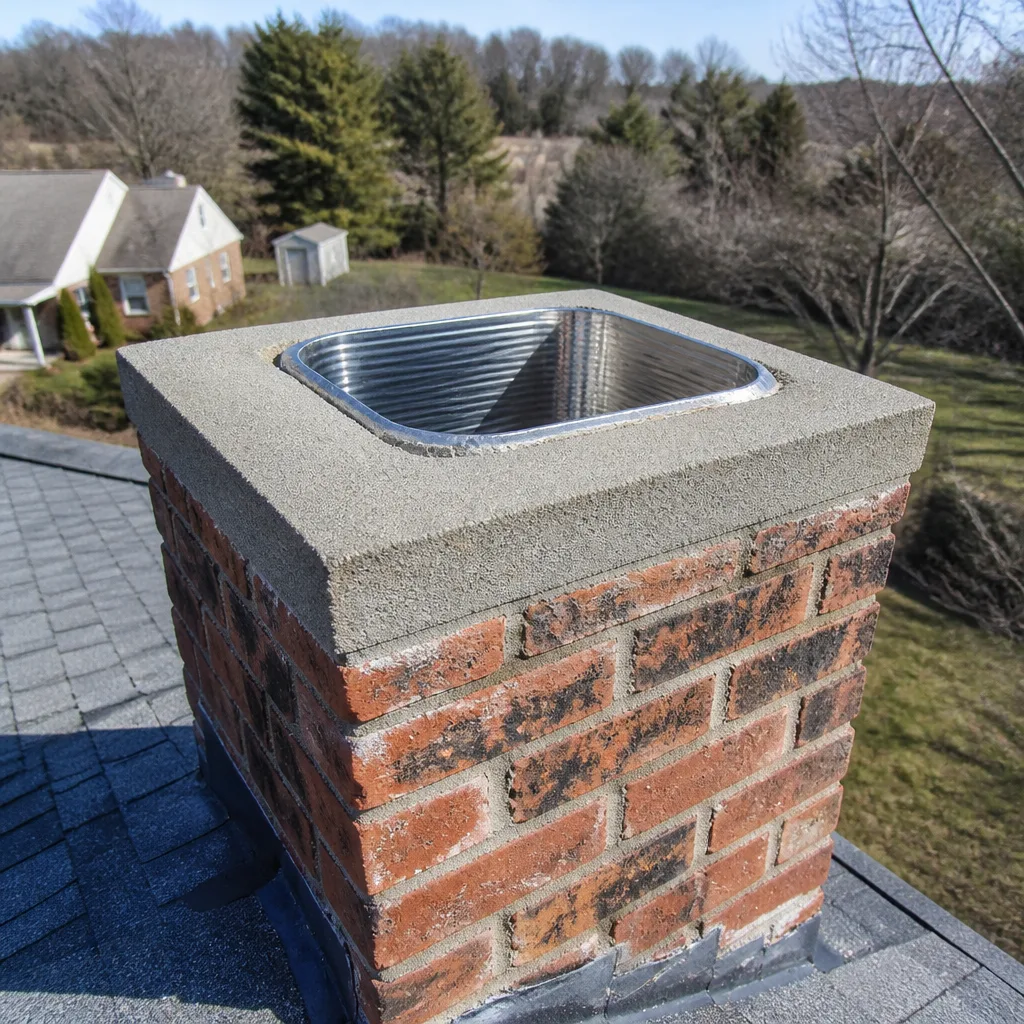 Flue relining
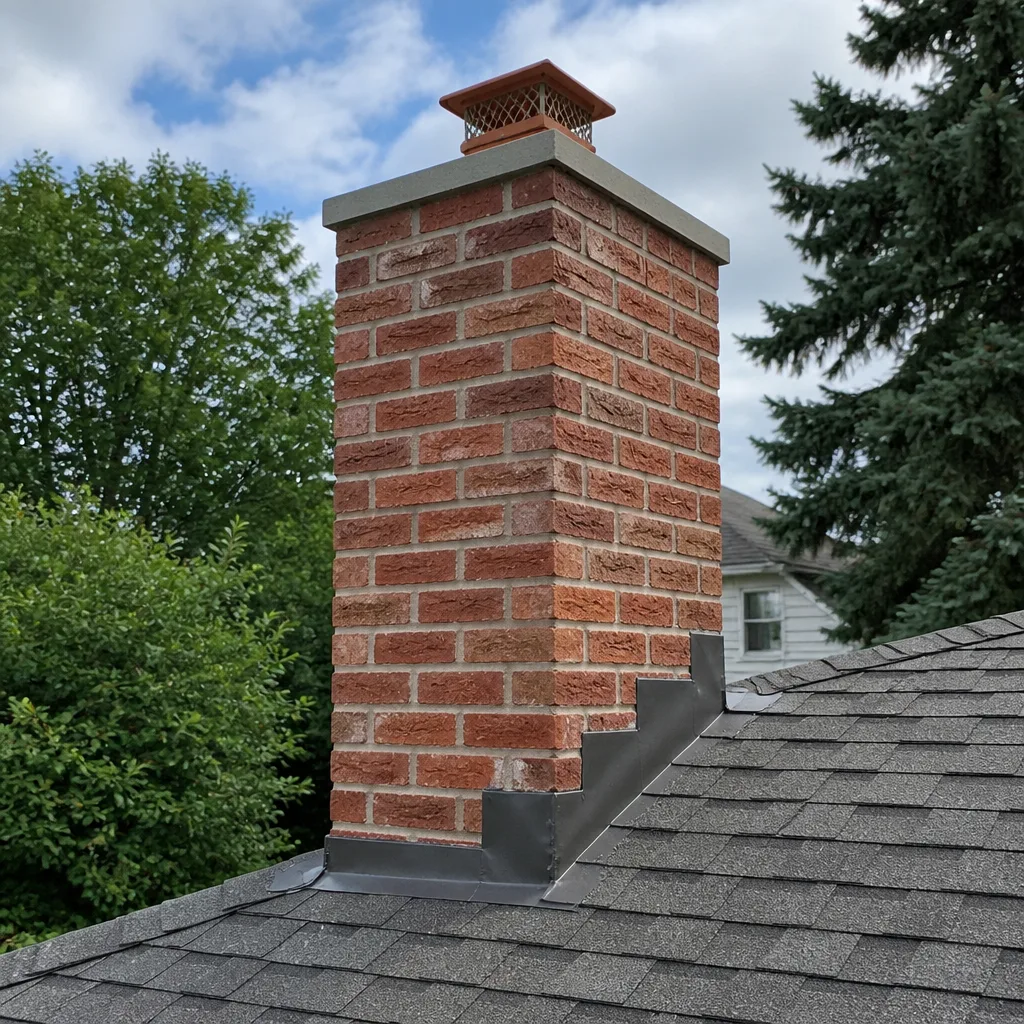 Masonry repair
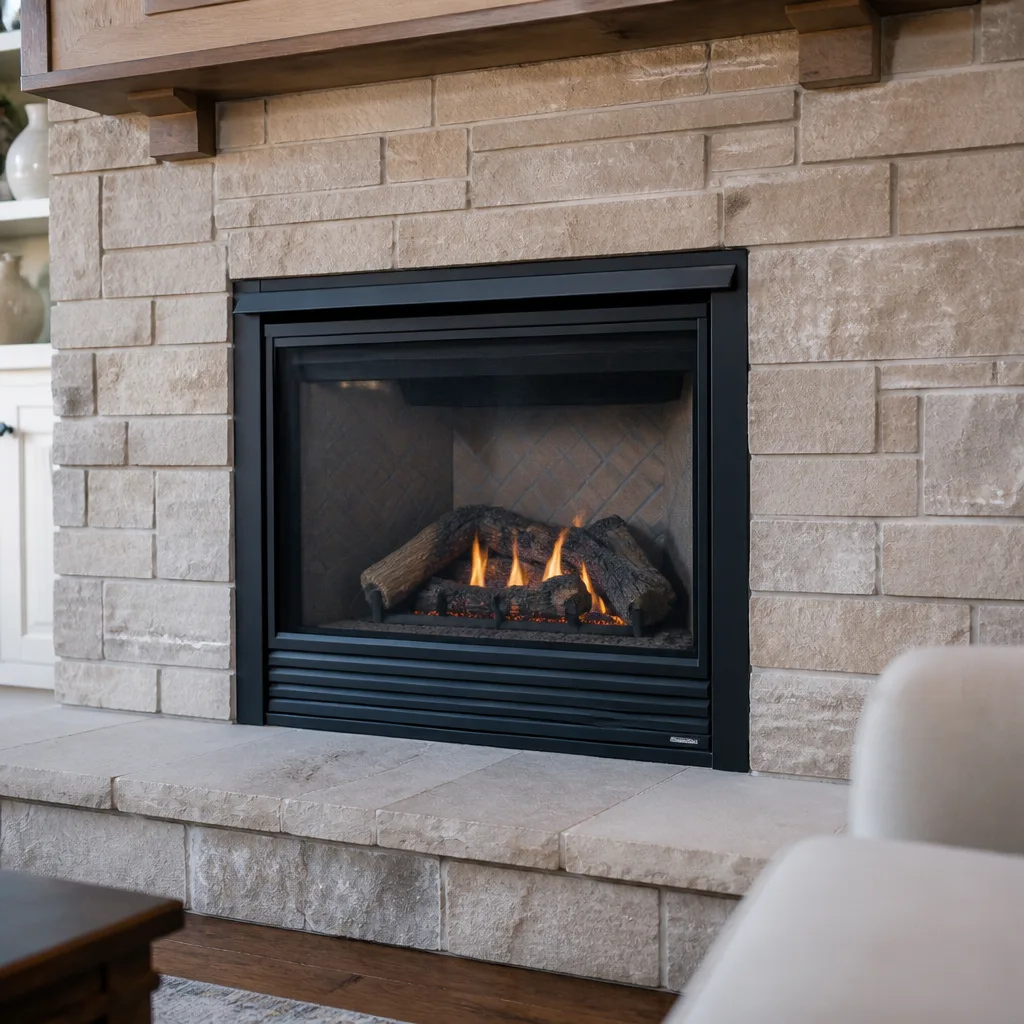 Gas fireplace service
Level 1 sweep and inspection to the NFPA 211 annual standard - flue, crown, cap, and flashing checked and photographed
Chimney sweep logs do not sweep chimneys. They loosen some creosote - which then falls where a brush and vacuum still have to collect it.
Choosing the Right Chimney Cleaning Brand: A Buyer’s Guide for Salt Lake City
Two technicians can sweep the same flue and leave two very different chimneys behind. One applies a trade-grade flue sealant specified for the liner type; the other brushes on a generic hardware-store coating and calls it done. Both chimneys look clean the day the truck pulls away. The difference shows up a winter or two later, when the sealant cracks in a hard freeze or the creosote comes back faster than it should. Most homeowners never learn there was a difference until something fails. This guide is about closing that gap: how to read a chimney company by the materials it uses, what “professional-grade” actually means in this trade, and the questions that separate a contractor who thinks past the cleaning from one who doesn’t. We’ll keep it grounded in what Salt Lake City’s climate does to chimneys, because that’s the testing ground every material choice has to survive.
Quick Answer
The right chimney cleaning brand in Salt Lake City is the one that names the products it uses and explains why: specific liner systems, specific resurfacing compounds, specific sealants rated for freeze-thaw winters, not vague phrases like “high-quality materials.” Materials are the most honest signal of how a company diagnoses and repairs, because a contractor who specifies trade-grade products is a contractor who expects the work to last. Price and a clean-looking flue matter less than what’s left on the chimney after the brush goes back in the case.
Styles & brands we work with
- Sweep & inspection
- Caps & crowns
- Flue relining
- Masonry repair
- Gas fireplace service
Table of Contents
- Why Chimney Cleaning Has a Materials Problem
- What “Professional-Grade” Actually Means in Chimney Materials
- How to Ask a Chimney Company What Materials They Use
- Materials in Salt Lake City’s Freeze-Thaw Cycle
- The Brands Behind Professional Chimney Work
- Why Material Choices Reveal Diagnostic Rigor
- The Long-Term Cost of Generic vs. Specified Materials
- The Step-by-Step Diagnostic You Should Expect
- Common Mistakes to Avoid
- When to Call a Professional
- Frequently Asked Questions
Why Chimney Cleaning Has a Materials Problem
A chimney sweep is a physical act: brush, vacuum, inspect. But a chimney service is a materials decision. After the brush work comes the part most homeowners never see or ask about: the sealant applied to the crown, the coating brushed onto a pitted flue, the choice of liner when a relining is warranted, the treatment used to slow creosote buildup on a wood-burning system.
This is where the industry splits. On one side are companies that treat cleaning as the whole job and reach for whatever sealant or coating is cheap and available. On the other are contractors who source from professional chimney-trade supply houses and specify products by name because those products are built and tested for the specific conditions a chimney creates: continuous heat cycling, acidic condensate, and in Salt Lake City, repeated freezing and thawing.
The gap isn’t visible on the day of service. It surfaces later:
- A crown coating that chalks and cracks within a couple of winters instead of holding.
- A flue sealant that doesn’t bond to the liner it was applied to, so moisture keeps finding its way into the masonry.
- A creosote treatment that does little to slow the next round of buildup.
- A liner sized and specified by guesswork rather than to the appliance.
None of these show up as a complaint on the invoice. They show up as a second call, sometimes to a different company, and a conversation that starts with “the last guy used something that didn’t hold.” When a homeowner asks us how to pick a chimney cleaning company in Salt Lake City, the most useful thing we can tell them is to stop shopping on price and a clean-looking flue, and start asking what’s left on the chimney afterward. The materials are the paper trail.
What “Professional-Grade” Actually Means in Chimney Materials
“Professional-grade” is one of the most abused phrases in home services. In chimney work it has a real meaning, and you can verify it. A professionally specified material is one built to recognized standards for the application it’s used in, and it comes with documentation a contractor can point to.
Two standards come up again and again in chimney materials:
- ASTM standards set the testing and performance criteria for a material, from its composition to how it behaves under heat and moisture. A material spec’d for chimney use references the ASTM standard it’s tested to.
- UL listings apply to assemblies and components, particularly liner systems. A UL-listed liner system has been tested as a system, not just as a piece of metal, for the temperatures and conditions a chimney produces.
The practical difference matters most for two categories:
- Liner sealants and flue coatings. These products have to bond to a specific substrate (clay tile, stainless, masonry), handle heat cycling, and resist moisture. A generic sealant that carries no application-specific rating is a gamble. A professional resurfacing product is specified for exactly that job.
- Waterproofing and crown coatings. These face the weather, not the fire, and in a climate that freezes, that’s the harder test. A waterproofing product has to let masonry breathe while keeping bulk water out; get that balance wrong and you trap moisture inside the chimney.
When a company can tell you the standard a material is tested to, or the listing a liner system carries, they’re telling you they source from professional supply rather than the shelf at a general hardware store. When they can’t, “professional-grade” is just a word on a brochure. You don’t need to become a materials engineer. You need to know the question has a real answer, and to notice which companies give one.
How to Ask a Chimney Company What Materials They Use
The fastest way to read a chimney company is to ask one plain question: “What materials do you use for sealing and repairs, and why those?” The answer tells you more than any review. Here’s how to work through it.
- Ask for product names. A trade-level contractor answers with brands and product types: a specific liner system, a specific resurfacing compound, a specific sealant. Professionals specify Gelco, Olympia Chimney, Famco, or Copperfield components because those are the supply lines the trade relies on, and they’re used to talking about them.
- Listen for vague descriptions. “High-quality sealant,” “premium materials,” “the good stuff” tells you nothing verifiable. It isn’t proof they don’t use good materials, but it’s proof they don’t think about them as a selling point, which usually means they aren’t specified.
- Ask why the product suits your chimney. The right answer connects the material to your system: the liner type, the appliance, the masonry, the weather. A company that can explain the fit has done the diagnostic work.
- Ask what happens if the material fails. A contractor confident in specified products talks about how they hold up. One who patched with generic supplies tends to get vague here.
- Ask about standards. If liner work is on the table, ask about the listing on the system. A professional answers without flinching.
You don’t need to verify every claim yourself. What you’re really gauging is whether materials are part of how the company thinks. A contractor who specifies products is a contractor who thinks past the cleaning. That’s the signal. Salt Lake City homeowners who’ve been burned by cut-rate service tend to ask these questions the second time around; asking them the first time is cheaper.
Materials in Salt Lake City’s Freeze-Thaw Cycle
Salt Lake City sits in a valley with cold, snowy winters and a large temperature swing from day to night. That swing is what makes local chimney materials so important. Water gets into masonry through a hairline crack or a porous crown during a daytime thaw, then freezes and expands overnight. Repeat that through a winter and small flaws become bigger ones. A crown coating that would hold up fine in a mild climate gets tested here every single season.
Three material categories take the brunt of it in Salt Lake City:
- Crown coatings. The crown is the concrete cap at the top of the chimney. It’s the first thing water hits. A coating specified for exterior masonry in a freeze-thaw climate flexes and holds; a generic patch cracks and lets water in. The Avenues, the lower east bench, and the older neighborhoods around downtown all have plenty of crowns that show what the wrong coating does over a few winters.
- Flue sealants and resurfacing compounds. These deal with the inside, where moisture condenses on a cold flue and combines with combustion byproducts. A resurfacing product has to bond tightly and resist that acidic condensate. HeatShield, a specialist flue-resurfacing system, is built for exactly this job, and it’s a repair-grade capability most sweep-only companies don’t offer.
- Liners. Flexible liner systems like DuraFlex are specified for the appliance and the flue, and the listing matters when the temperatures drop and the fire runs hot. A liner spec’d by guesswork in Salt Lake City’s climate is a call waiting to happen.
None of this is exotic. It’s just what a chimney in Salt Lake City actually goes through between November and March. A company that specifies materials is a company that has thought about those months. One that doesn’t is leaving your chimney’s durability to whatever product was cheapest that week. If your chimney hasn’t been assessed in a while, a chimney sweep is the right starting point, because the inspection that comes with it is where material problems show themselves.
The Brands Behind Professional Chimney Work
Professional chimney work runs on a small set of trade-recognized brands. You don’t need to memorize them, but recognizing a few is a useful filter. When a company names them naturally, it means those products are part of their standard supply, not a special order.
- DuraFlex. Flexible stainless liner systems, the backbone of professional relining. Specified for the appliance and the flue, and the system carries the listing that matters for heat and safety.
- HeatShield. A specialist flue-resurfacing product used to restore a damaged or pitted flue without a full reline. It’s a repair-grade restoration capability, and it’s the kind of thing generalist cleaners don’t stock or specify.
- Gelco, Olympia Chimney, Famco, and Copperfield. Professional components across caps, crowns, dampers, and sealing systems. These are the names that come up in the trade’s supply chain, not the shelf at a big-box store.
The point isn’t to buy the brand names. The point is that professional supply-chain access is a different animal from hardware-store patchwork. A company that sources from professional chimney-trade suppliers is a company that expects its work to hold, because the products it’s using were built to. And the breadth matters too. A company that can sweep, reline with a DuraFlex system, and resurface with HeatShield is doing a fundamentally different job than one that only cleans. That breadth signals craft-level intent.
Why Material Choices Reveal Diagnostic Rigor
Here’s the connection that most buyers miss: material choices and diagnostic rigor are the same decision seen from two angles. You can’t specify the right liner without knowing the appliance and the flue size. You can’t choose the right resurfacing compound without knowing the substrate. You can’t pick the right crown coating without assessing the existing crown. Every material choice is downstream of a diagnosis.
A contractor who thinks past the cleaning has to. They can’t install a DuraFlex system or specify HeatShield without first inspecting the flue, measuring the appliance, and reading the condition of the masonry. Their business depends on getting the diagnosis right, because a wrong material choice on their books is a callback. A sweep-only company can brush a flue clean and never make a single material decision, which means the diagnosis never has to be deep.
That’s why the materials question is the most reliable signal in the trade. Ask what they use and why, and you’ll learn:
- Whether they scoped the flue with a camera or just worked from the top.
- Whether they measured the appliance before recommending a liner.
- Whether they read the crown and the masonry or just looked at the firebox.
- Whether repair is part of their normal thinking or an upsell they bring in from elsewhere.
In our experience, homeowners in Salt Lake City who’ve been told they need “thousands of dollars” of liner work by one company and “you’re fine for now” by another are usually seeing the difference between a diagnostician and a cleaner. A contractor who specifies products wants you to see the evidence, because the evidence is what supports the recommendation.
The Long-Term Cost of Generic vs. Specified Materials
The sticker price of a chimney job rarely shows the materials difference. The long-term cost does. Generic sealants and coatings are cheaper to buy. They just don’t hold as long in a climate that freezes, and the second job costs more than the first one would have if the right material had gone on.
Here’s how the math usually plays out:
- Cheap crown coating: cheaper up front, but it can chalk and crack within a few winters in Salt Lake City’s freeze-thaw cycle, and a cracked crown lets water into the masonry below. Repairing that water damage is a different order of job.
- Generic flue sealant: may not bond to the substrate it was applied to, so the next inspection finds the same moisture problem, now worse.
- Unspecified liner: a liner sized and chosen by guesswork is more likely to need replacing early, and a failed liner can mean relining again rather than repairing.
- No creosote treatment: buildup returns faster, which means more frequent sweeps and a higher long-run cost per heating season.
Specified materials cost more to buy, and that cost is on the estimate, where you can see it. The generic alternative’s cost is hidden, deferred, and lumped into a future repair you didn’t budget for. For a chimney in Salt Lake City facing a real winter every year, the long-term cost of generic materials is usually higher than the short-term savings. The Forge Chimney Cleaning approach is to specify trade-grade products because the math favors them over the seasons, not because they make the invoice look better on the day.
The Step-by-Step Diagnostic You Should Expect
Materials are only as good as the diagnosis that precedes them. When you book a proper chimney service in Salt Lake City, here’s the sequence you should see. If a company skips most of these steps and gets straight to the brush, you’ve learned what their materials answer will sound like.
- Intake questions. What burns in the fireplace (wood, gas insert), how often it’s used, when it was last serviced, and any symptoms (smoke spillage, odors, drafts).
- Set up and protect. Drop cloths and a sealed vacuum system so the work area stays clean.
- Sweep and collect. Brush the flue and collect all the creosote and soot. This is the cleaning itself.
- Camera inspection. A camera run through the flue shows the liner, joints, and any cracking or gaps. This is where the diagnosis happens.
- Exterior and crown check. The crown, flashing, and masonry are assessed for water intrusion, which is the number one killer of a chimney in a freeze-thaw climate.
- Report and recommendation. You get a clear picture, often with photos, of what was found and what (if anything) needs repair. Materials enter the conversation here because the diagnosis drives the choice.
- Repair, if warranted. Resurfacing with HeatShield or relining with a DuraFlex system, if the inspection says so. If the chimney can safely wait, you should hear that too.
That last step matters. A contractor confident in the diagnosis is willing to tell you when nothing needs doing yet. Materials choices, camera evidence, and a straight recommendation are the same package. If a Salt Lake City chimney company offers all three, you’re dealing with a proper trade contractor. If the recommendation arrives without the evidence, ask for it. You’re entitled to see what they see.
Common Mistakes to Avoid
- Choosing on price alone. The cheapest sweep in the Salt Lake City market is often the one using the cheapest sealant. You’ll pay the difference later, in a repair, not on the invoice where you can see it.
- Accepting “high-quality materials.” If a company can’t name a product, they probably didn’t specify one. Ask for names, and treat vague answers as a reason to keep calling.
- Skipping the camera inspection. A clean flue can hide a cracked liner or a failing crown. Insist on the camera, because that’s where the materials decision actually starts.
- Letting a sweep company do a liner job. A sweep-only contractor brushing a flue doesn’t have the supply access to specify a proper liner system or a resurfacing product. Ask whether repair and relining are part of their work, not just their referral list.
- Ignoring the crown. In Salt Lake City’s freeze-thaw cycle, a cracked or unsealed crown is the most common entry point for water damage. If it isn’t mentioned in the report, ask about it.
- Treating the dryer vent as separate. It’s a second fire hazard in the same house, and a company that handles both addresses two risks in one visit instead of leaving one for later.
- Booking on a hunch instead of a schedule. Assume every chimney needs a yearly check unless the inspection says otherwise. Waiting for smoke in the room means waiting too long.
When to Call a Professional
Some situations are obvious. Smoke backing into the room, a strong creosote smell, visible soot on the firebox or the wall above it, or a chimney that hasn’t been swept in a season or more are all reasons to book a service. A wood-burning fireplace should be swept and inspected at least once a year, and a gas insert or a dryer vent should be checked on the same cadence. If you’ve noticed a crack in the crown, water staining on the masonry, or a missing cap, the diagnosis matters more than the brush. And if a previous company told you the chimney needs major repair but couldn’t show you why, get a second opinion with camera evidence.
Forge Chimney Cleaning offers free estimates in Salt Lake City. Call (833) 497-1153. We answer 24/7. Fast dispatch from 7am to 7pm, Sunday through Friday. The written estimate sets the price, and nothing is recommended without evidence you can see.
Frequently Asked Questions
It means a product built and tested to recognized standards for the specific chimney application it’s used in, and specified by name rather than by description. A professional resurfacing product, liner system, or sealant references the standard or listing it holds, and a trade contractor can point to it. If a company can’t name the product it uses, “professional-grade” is just a phrase on a brochure, not a specification.
Ask one plain question: “What products do you use for sealing and repairs, and why those?” A trade-level answer includes brand and product names (DuraFlex, HeatShield, Gelco, Olympia Chimney, Famco, or Copperfield, for example) and explains why the product suits your chimney. Vague phrases like “high-quality sealant” tell you the materials weren’t specified. Call (833) 497-1153 if you’d like to hear the answer for your chimney; estimates are free.
Because Salt Lake City’s winters swing between freezing and thawing, and that cycle is brutal on exterior chimneys. Water gets in during a thaw, freezes and expands overnight, and repeats through the season. A sealant or crown coating built for that cycling holds; a generic one cracks and lets water into the masonry. The product you can’t see is doing most of the long-term work. Call (833) 497-1153 for an exact quote on your chimney; estimates are free.
A properly specified material, correctly applied, should hold up over multiple seasons; a generic product in a freeze-thaw climate often doesn’t. We don’t put a number of years on it because it depends on the product, the substrate, and the exposure. The honest test is the next inspection: if a coating you paid for is already cracked, the material wasn’t spec’d for the job. A camera inspection at the next sweep will show you the truth; call (833) 497-1153 to book one.
You need repair when camera evidence shows a specific problem: a cracked liner, a pitted or spalling flue, water intrusion at the crown, or failing masonry. A qualified contractor shows you the photo or video before recommending anything, and says plainly when the work can safely wait. If the recommendation arrives without evidence, ask for it, and don’t authorize the work until you’ve seen what they saw. Call (833) 497-1153 for an evidence-first assessment; estimates are free.
Yes, and choosing one that does covers two of the most overlooked household fire hazards in a single visit. A dryer vent cleaning and a chimney sweep share the same preventive logic: remove the accumulated fuel and confirm the system can vent safely. Booking them together also means one appointment and one materials conversation instead of two. Call (833) 497-1153 to schedule both; estimates are free.
The Bottom Line
The chimney cleaning brand you choose is, in the end, a set of material decisions you can’t fully see. That’s exactly why the materials question is the one worth asking. A company that names its products and explains why, that scopes with a camera before recommending anything, that draws from professional chimney-trade supply and can reline or resurface as well as sweep, is a company whose work is more likely to hold through a Salt Lake City winter. A company that cleans and leaves, with a generic sealant and a vague answer, is a company whose work will surface as a bigger repair later. Materials, evidence, and diagnostic rigor are one package. Choose the company that treats them that way.
Call for a Free Estimate
If your chimney hasn’t had a proper inspection this season, or the last company couldn’t tell you what products they used, call Forge Chimney Cleaning at (833) 497-1153 for a free estimate. We answer 24/7. Fast dispatch from 7am to 7pm, Sunday through Friday. We sweep, repair, and restore with trade-grade materials, show you the camera evidence before recommending any work, and tell you plainly when the job can safely wait.
Written by the team at Forge Chimney Cleaning.
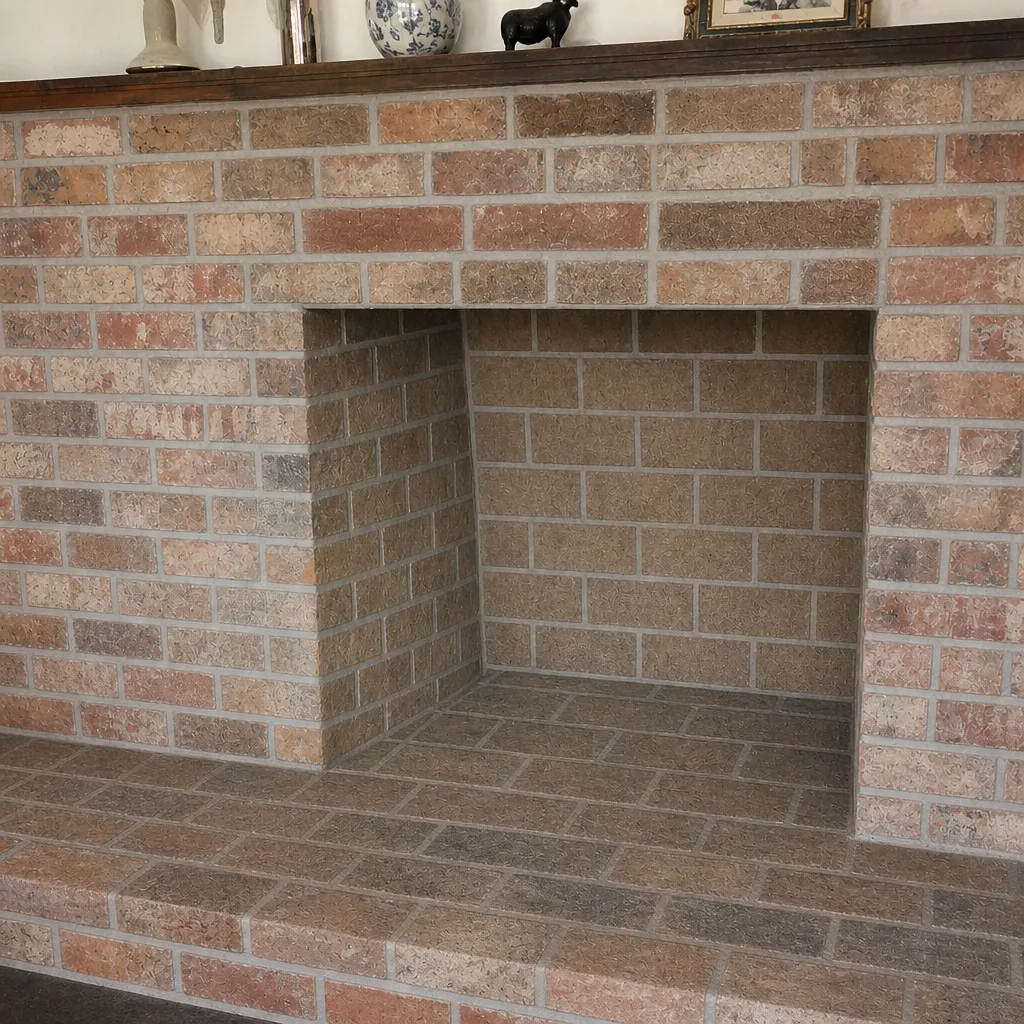
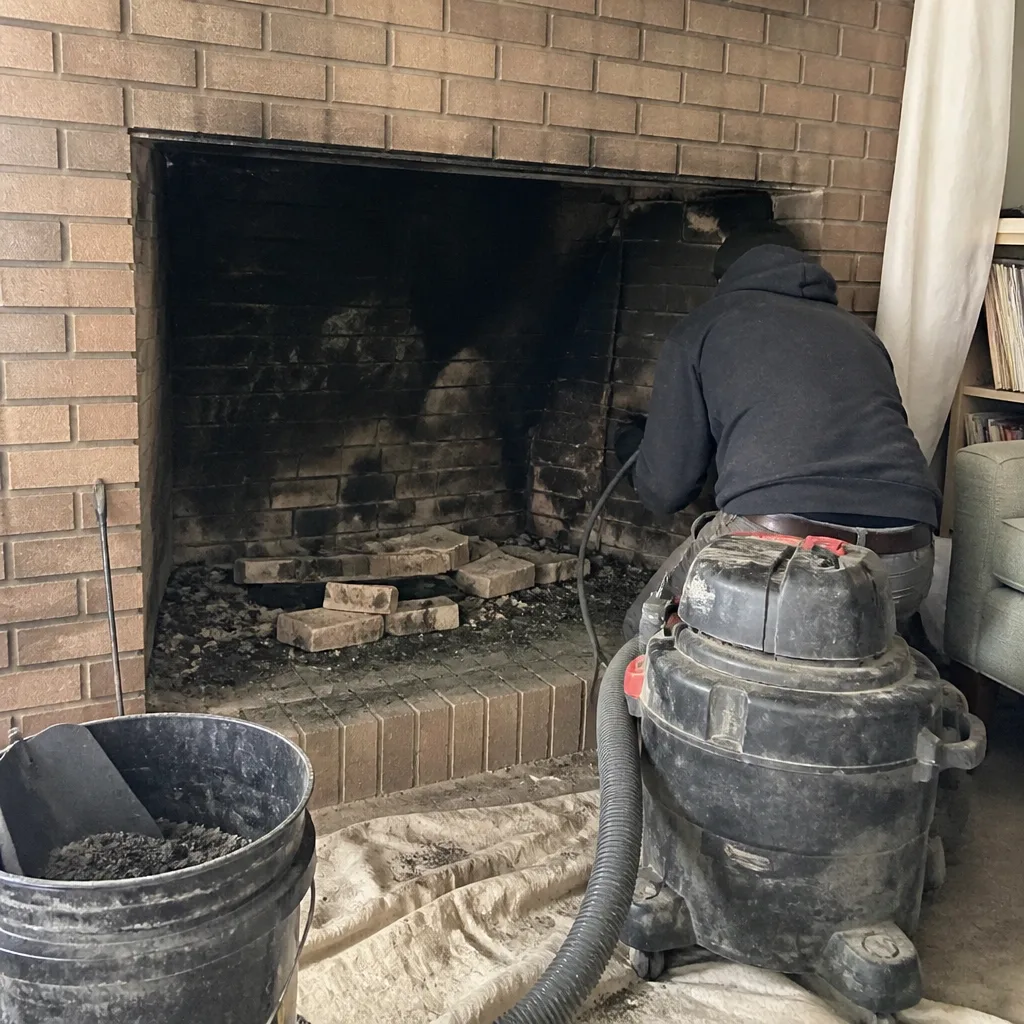
See the difference
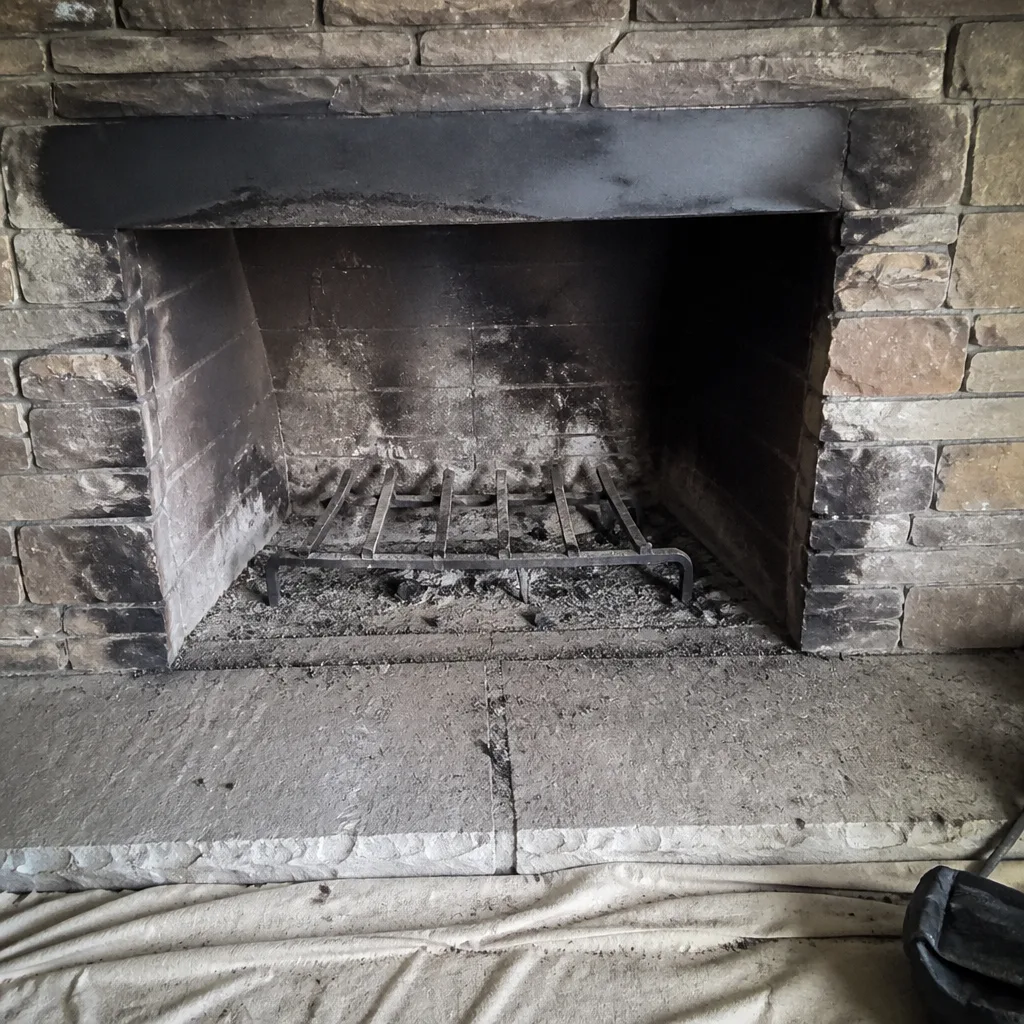 Before
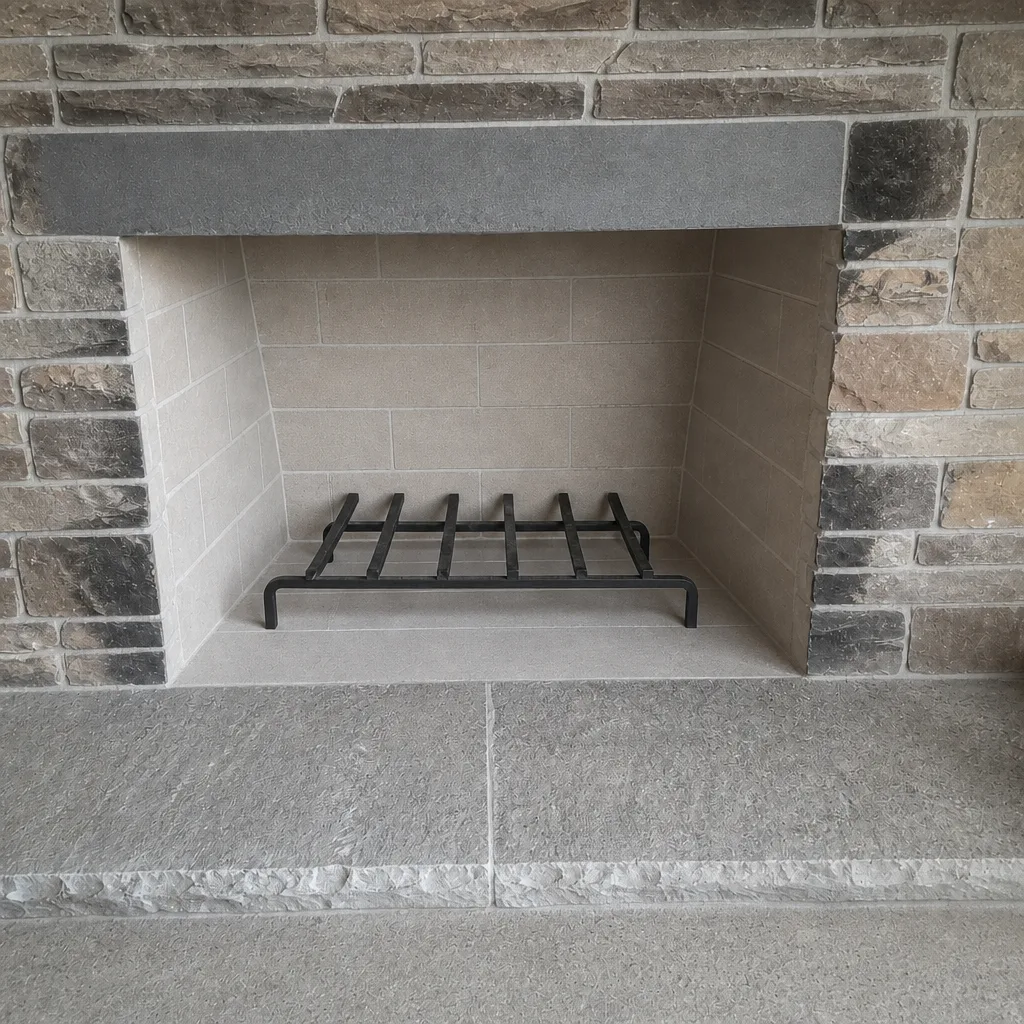 After
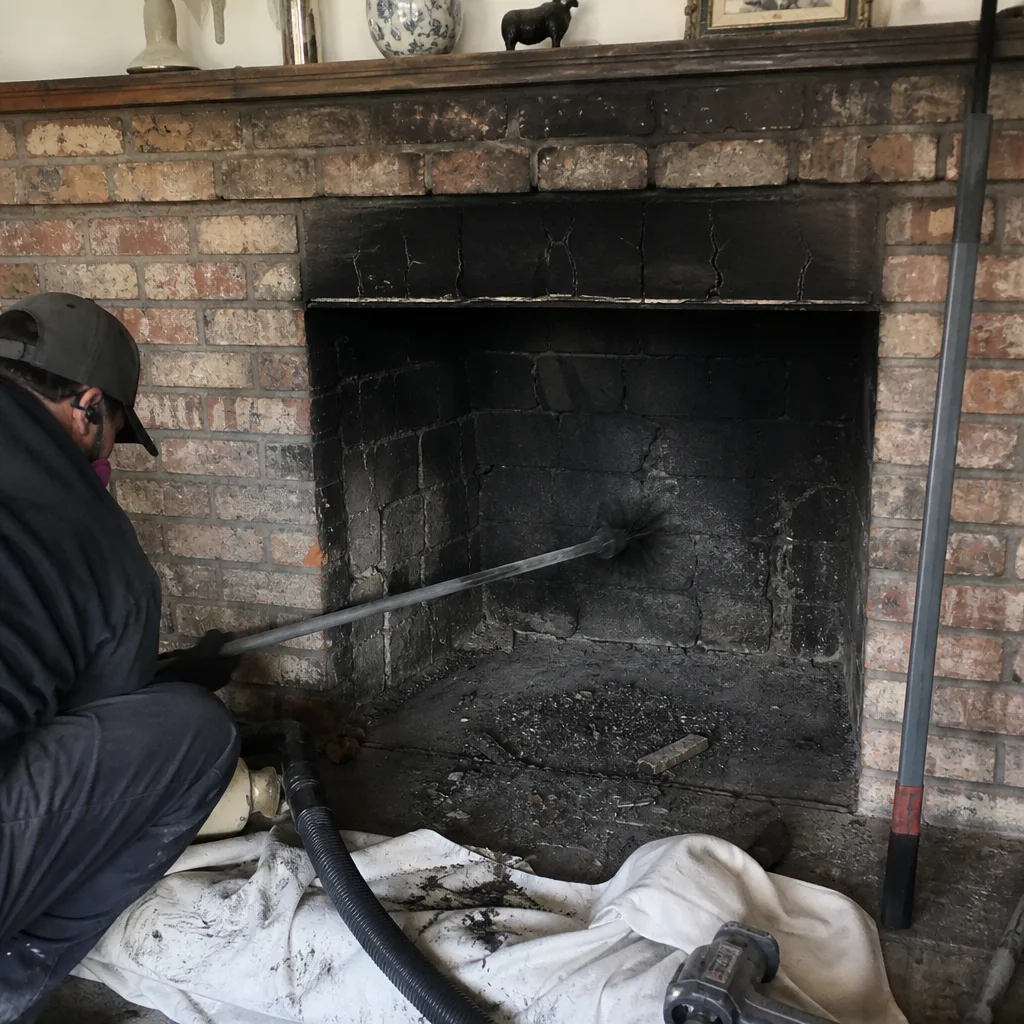 Before
 After
 Before
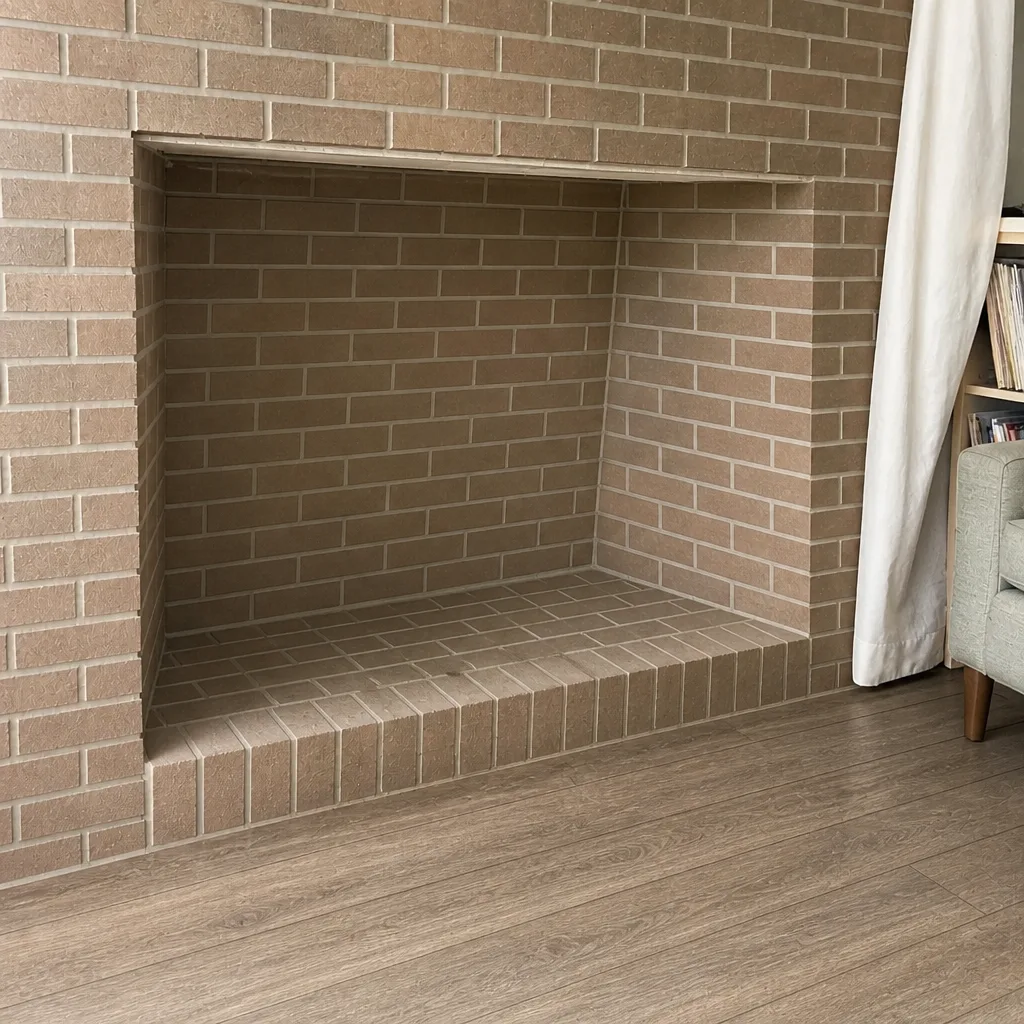 After