
Last updated November 14, 2026
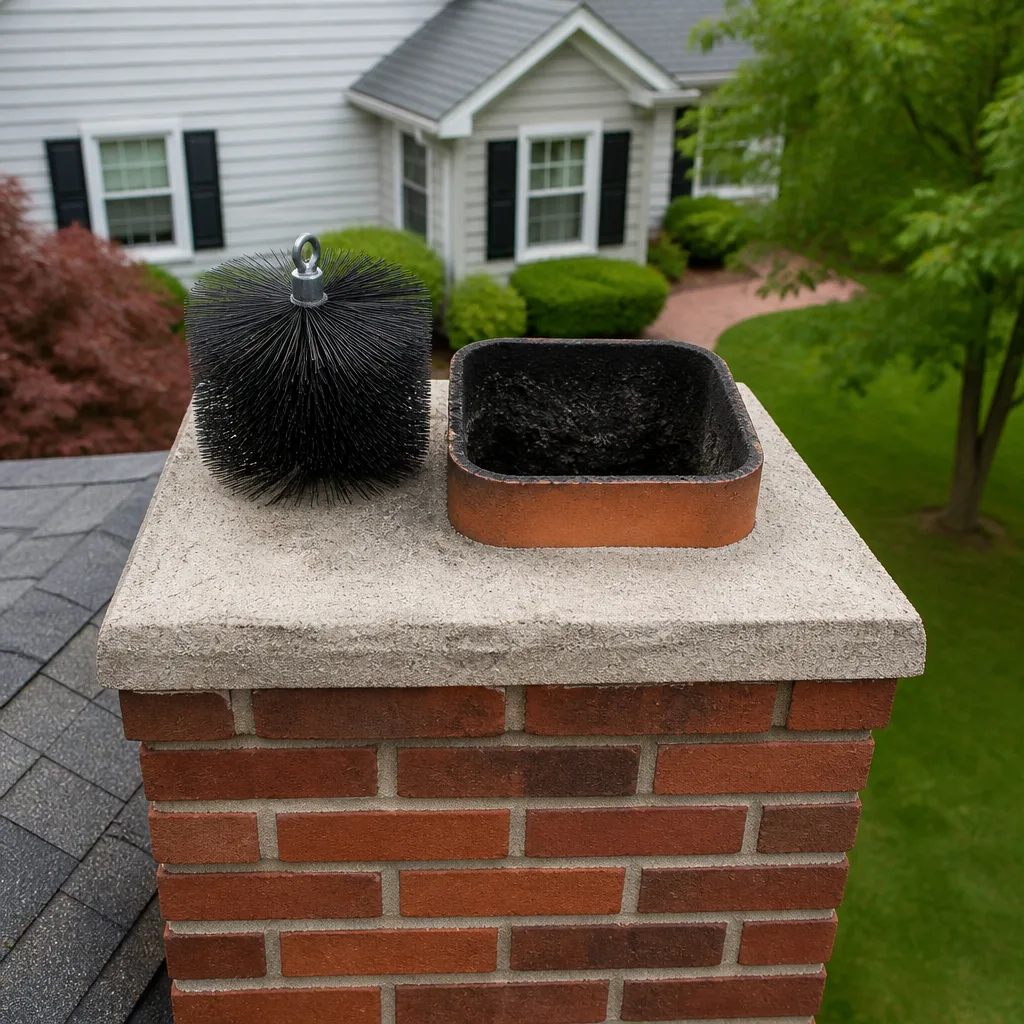 Sweep & inspection
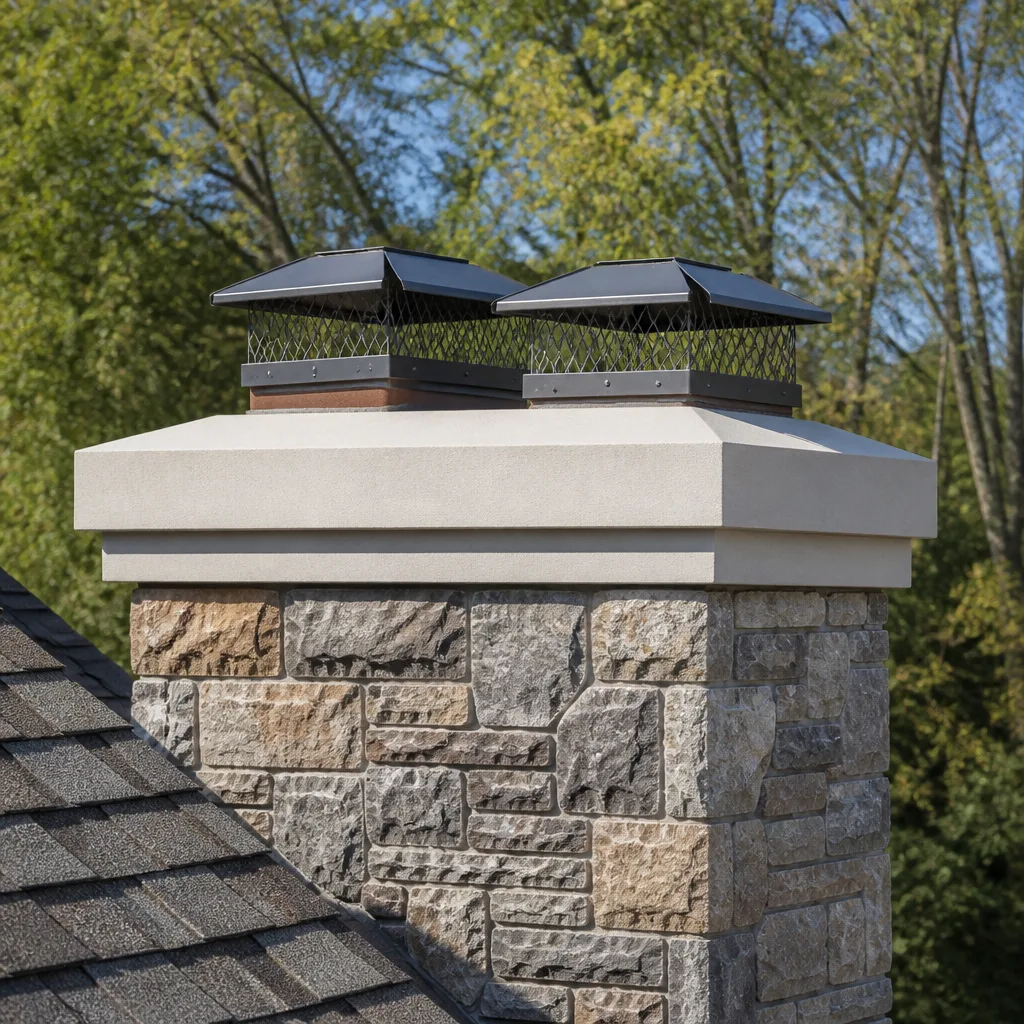 Caps & crowns
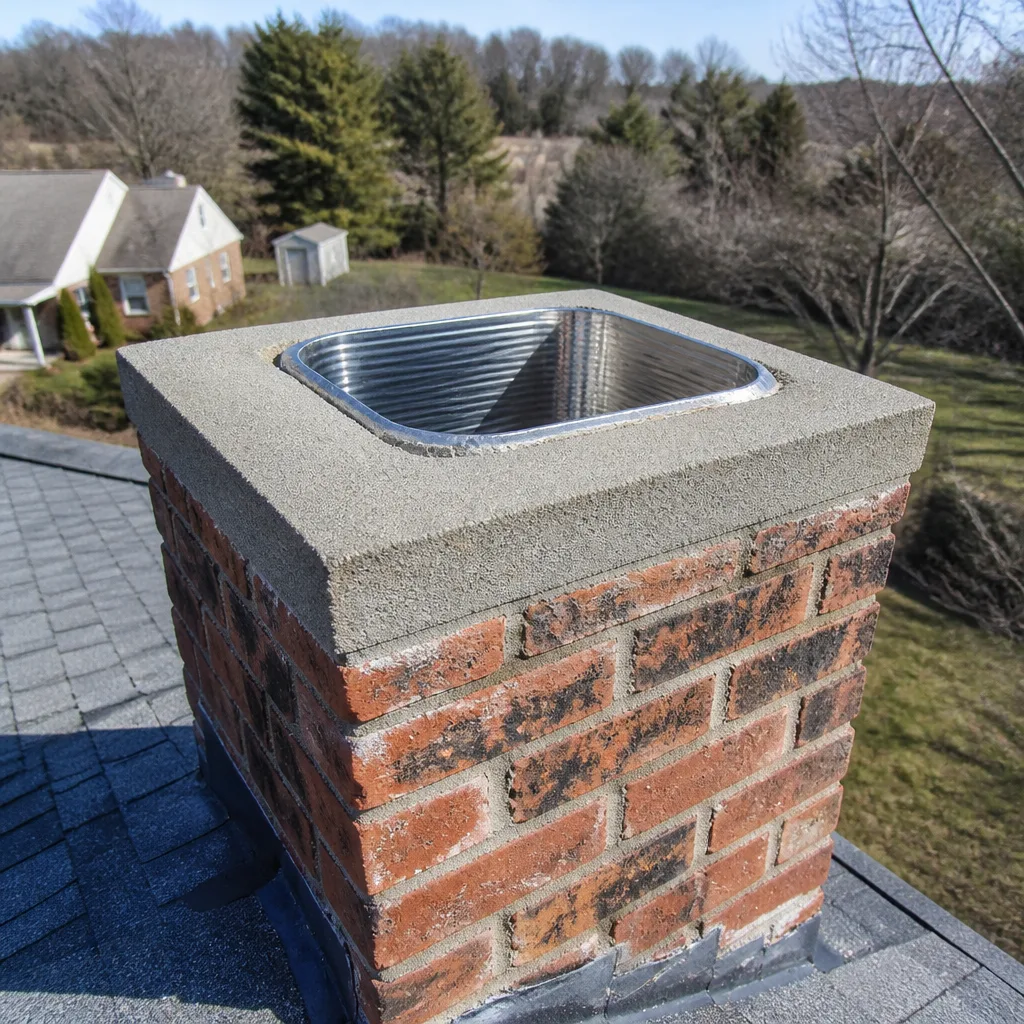 Flue relining
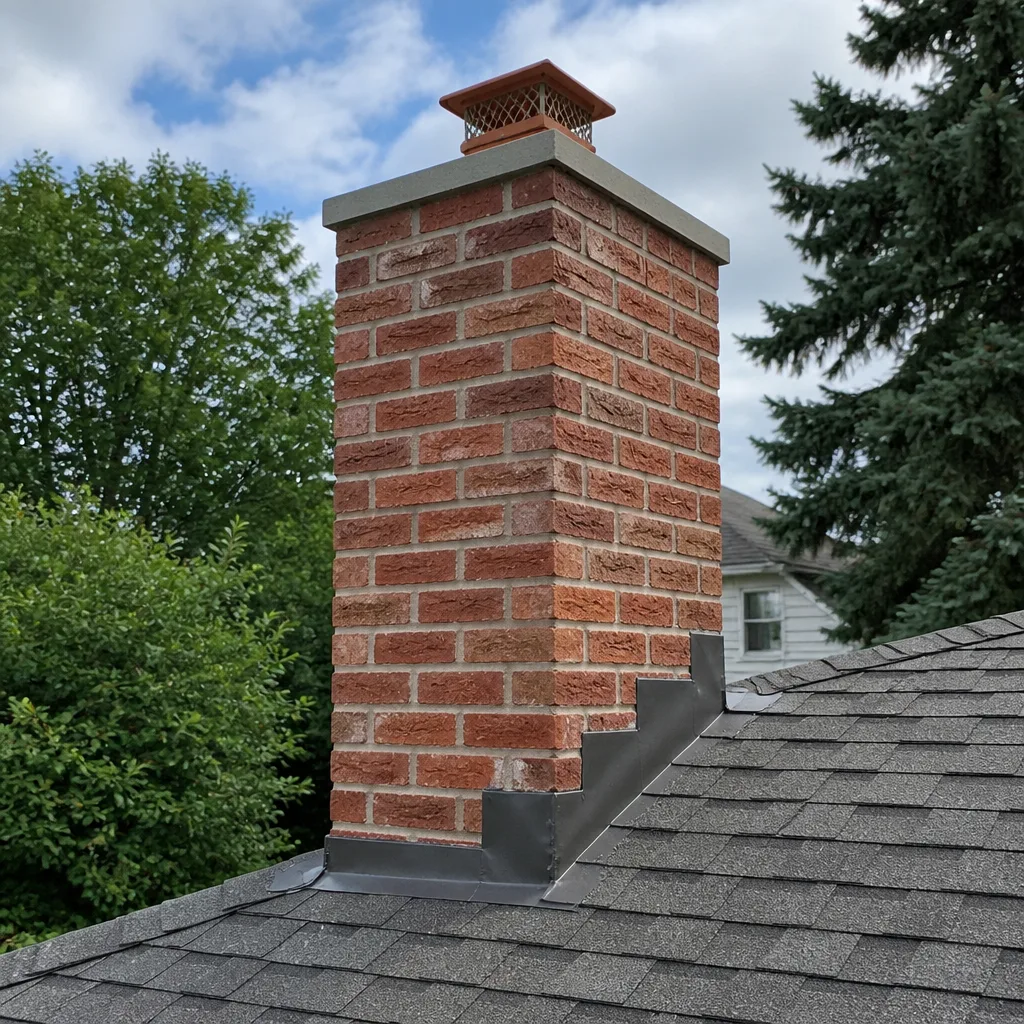 Masonry repair
 Gas fireplace service
Level 1 sweep and inspection to the NFPA 211 annual standard - flue, crown, cap, and flashing checked and photographed
Chimney sweep logs do not sweep chimneys. They loosen some creosote - which then falls where a brush and vacuum still have to collect it.
Chimney Cleaning Permits, Codes & Inspections in Salt Lake City, UT: What You Need to Know
The chimney cleaning didn’t require a permit. The liner repair the cleaning revealed? That’s a different conversation, and skipping it can void your homeowner’s insurance. That’s the part nobody warns you about. Most homeowners in Salt Lake City go into a sweep assuming the hard part is finding someone to do it. The sweep itself is rarely where code and paperwork enter the room. It’s what the sweep uncovers, and what has to happen next, that pulls in the building department. This guide walks through what Utah’s adopted residential code says about liners, when Salt Lake City Building Services actually wants a permit, why a Level 2 inspection at a home sale changes your obligations, what the grandfather clause does and doesn’t protect, and why the contractor who pulls the permit is the one who keeps your insurance claim alive.
Quick Answer
Cleaning a chimney in Salt Lake City generally does not require a permit. Relining a flue, replacing a chimney cap on a listed historic structure, or rebuilding masonry above a set threshold typically does, because those are structural or code-driven alterations under Utah’s adopted residential code. A Level 2 inspection at the time of sale often flags deficiencies that trigger those permit obligations, and work done without a permit can complicate a later insurance claim.
Styles & brands we work with
- Sweep & inspection
- Caps & crowns
- Flue relining
- Masonry repair
- Gas fireplace service
Table of Contents
- Does chimney cleaning require a permit in Salt Lake City?
- What Utah’s adopted residential code says about liners
- When Salt Lake City Building Services wants a permit
- Level 2 inspections and permit obligations
- What the grandfather clause covers in older Salt Lake City homes
- Why the contractor who pulls the permit protects your insurance
- Common mistakes to avoid
- When to call a professional
Does chimney cleaning require a permit in Salt Lake City?
No. Chimney cleaning, as a maintenance activity, does not require a permit in Salt Lake City, and that holds across essentially every jurisdiction in Utah. A chimney sweep is a cleaning task. The building department doesn’t track sweeping, doesn’t inspect the result, and isn’t involved in scheduling or completing one. When we clean a flue here, we’re not operating under a permits process from Salt Lake City Building Services.
The confusion comes from the inspection that occupies the same visit. A good sweep includes a visual examination of the firebox, damper, flue, and termination. That examination sometimes reveals a cracked tile, a rusty liner joint, a crumbling crown, or a top-sealing damper that’s no longer functioning. The moment the work shifts from cleaning to repair, the permit question becomes real.
A useful way to think about it:
- Cleaning – maintenance, no permit, no inspection by the city.
- Replacing a component in kind – a cap swapped for a similar cap, a damper replaced on a standard residential chimney, generally no permit in Salt Lake City.
- Relining, structural work, or alteration – work governed by code provisions, and where a permit is typically required.
For an owner in Sugar House who just wants the creosote out, none of that applies. For the same owner who learns during the visit that the flue has no safe clearance behind the masonry, everything after the words “you can’t keep burning in this” is code territory. In our experience, that’s the moment a $200-something sweep becomes a multi-thousand-dollar relining job and the homeowner suddenly cares about permits.
What Utah’s adopted residential code says about liners
Utah adopts the International Residential Code (IRC) with state and local amendments, and the chimney provisions in that code are where liner standards live. The core rules that matter to a homeowner in Salt Lake City boil down to a handful of points.
Every appliance gets a properly sized, listed liner
The IRC requires a chimney to have a lining, and that lining has to be suitable for the appliance vented into it. For a modern gas appliance or gas insert, that means a listed liner rated for the flue gas temperature the appliance produces. For a wood-burning fireplace or wood stove, the liner has to be rated for the temperatures and conditions that solid fuel produces. Clay tile installed to the standards of an earlier era often falls short of what a replacement insert or high-efficiency appliance requires.
The liner must run the full length of the flue
Partial liners are not code-compliant. A liner that stops short of the top, or one that’s been patched in a section, does not satisfy the code. When we reline, we run DuraFlex flexible liner systems from the top of the chimney down to the appliance connection, with no breaks. That’s a code requirement, not a sales preference.
Clearance to combustibles has to be maintained
The code specifies clearance between the outside of the chimney and any combustible material. Interior chimneys need proper air space; exterior chimneys have their own requirements. When a chimney has been enclosed, furred in, or built tight against framing in the past, that clearance is often gone, and fixing it is structural work.
Replacement triggers the current code, not the old one
A chimney that’s simply sitting there under an older standard is generally allowed to keep doing so. A chimney whose liner is being replaced has to be brought up to current code. That’s the hinge point: the act of replacement is what pulls the current standard into play. Any modification of the venting system, including a change to the appliance it serves, is where the code kicks in.
For a full walkthrough of what a proper evaluation looks like on a wood-burning system, see our guide to the Forge Chimney Cleaning approach and how we separate maintenance from repair.
When Salt Lake City Building Services wants a permit
Salt Lake City Building Services handles permits for residential work, and chimney-related permits fall into a few recognizable buckets. The exact triggers can shift with amendments and reviewer discretion, so the specific answer for your address is always the one the building department gives you. The general shape of the rules looks like this.
Chimney relining
Relining is the most common permit-triggering chimney job in Salt Lake City. A new liner is an alteration of the venting system, it has to meet current code, and the city wants to see that it does. This applies to switching to a wood insert, replacing a failed clay tile liner, and installing a liner for a gas appliance conversion. If the reline is being done to correct a code deficiency identified during a home sale, the permit is usually part of the transaction.
Cap replacement
A straight swap of a similar cap on a standard residential chimney usually doesn’t require a permit. What does pull in the building department is a structural change at the top of the chimney, a rebuild of the crown, or work on a chimney that falls under historic or design review protections. Salt Lake City has neighborhoods with homes whose exterior features, including chimneys, come under design review. In those cases, even the cap can involve more than the building code.
Masonry repair
Repointing a few loose joints at the crown is routine maintenance. Rebuilding the upper courses of a chimney is structural work, and that’s typically when the permit question comes up. The threshold depends on scope: a small repair often doesn’t require a permit, while a rebuild of the smokestack above the roofline generally does.
Structural repair and firebox work
Repairing a cracked firebox, rebuilding a damaged smoke chamber, or correcting a foundation issue is structural and generally permit-required. HeatShield resurfacing for the firebox and smoke chamber is a repair-grade restoration product we use, and while the resurfacing itself is typically done as part of an approved repair scope, the structural repairs around it often sit inside a permit.
The practical rule: if the work changes the physical structure of the chimney or changes the venting system, assume the permit discussion is coming. If it swaps a component for a like component, it probably isn’t.
Level 2 inspections and permit obligations
A Level 2 inspection is more than a visual check. It uses a camera to look inside the flue from the top and bottom, examines all accessible portions of the venting system, and reports on the condition of the liner, joints, dampers, and clearances. The standard for Level 2 is triggered by specific circumstances, and the one that matters most for Salt Lake City homeowners is a change in the use or occupancy of the property, which includes a home sale.
When a Level 2 inspection is done at the time of sale, the report often identifies deficiencies. Those are the deficiencies that intersect with permit obligations:
- The inspection documents a deficiency, such as a cracked clay tile, a disconnected liner joint, or a damper that no longer functions.
- The buyer and seller negotiate whether the deficiency gets corrected before or after closing.
- Once correction is agreed to, the scope determines whether the fix is a repair (occasionally no permit) or an alteration (typically permit-required, especially relining).
- If the correction is a reline, the permit is pulled, the installation is inspected, and the report from that final inspection belongs in the transaction file.
We’ve seen deals in the Avenues come down to whether a reline is going to be done with a permit. The buyer’s lender and insurer both care. A document that says the chimney passed a Level 2 inspection is a stronger position than a document that says the chimney was cleaned and passed a Level 1.
For a broader look at what a Level 2 involves and how it fits with the other inspection levels, our guide to Salt Lake City chimney service walks through the logistics by neighborhood.
What the grandfather clause covers in older Salt Lake City homes
Many homes in Salt Lake City neighborhoods like the Avenues, Sugar House, and Capitol Hill have clay tile liners installed decades ago. Those liners were compliant when installed. The grandfather clause is the legal protection that says a property built to the code of its era is not automatically required to be brought up to the current code just because the code changed.
That protection is real but narrow. It covers the chimney as it currently sits, provided it’s maintained, in serviceable condition, and serving the same kind of appliance it was built for. It does not cover:
- Replacing the liner. Once you replace, you build to today’s code.
- Changing the appliance. Installing a wood insert or a gas appliance in an existing fireplace pulls in the code requirements for that appliance.
- Structural repair. Rebuilding the chimney or correcting clearances is current-code work.
- Unsafe conditions. If the chimney is unsafe, the grandfather clause is not a shield. The building department can still require correction of a condition that endangers occupants.
- Insurance requirements. An insurer can require updates regardless of code, and often does after a fireplace claim.
In our experience, the grandfather clause gets used as a reason not to fix things that really do need fixing. The older clay tile liners in Salt Lake City have often had decades of heating and cooling cycles, and the tiles crack. A cracked tile allows creosote and heat to sit against the masonry, and the masonry loses its ability to contain the fire safely. If the tiles are cracked, the grandfather clause doesn’t apply because the clay liner is no longer doing the job it was grandfathered to do. That’s when relining becomes the correct answer rather than a sales pitch.
Why the contractor who pulls the permit protects your insurance
Here’s the part that surprises homeowners after a chimney fire: their insurance adjuster asks for the permit for the liner work. If the liner was replaced several years earlier without a permit, or if a fireplace was installed or altered without one, the adjuster has a legitimate reason to question whether the work met code. That question can delay a claim, reduce a payout, or in the worst cases, lead to a denial.
Permits leave a paper trail. The building department inspection that follows a permitted reline is a third-party record that the work met code at the time it was done. If a fire later happens, that record matters. It shows the work was done to standard and inspected by the city.
That’s why we pull permits on relining work in Salt Lake City rather than working around them:
- The permit application triggers the building department review of the scope, so the liner specification gets checked before installation.
- The inspection after installation confirms the liner, clearances, and connections.
- The signed inspection is part of the homeowner’s record and available if an insurer ever asks.
- If the property is later sold, a documented permitted reline is a strong piece of the sale packet.
We install DuraFlex liner systems, resurface fireboxes and smoke chambers with HeatShield, and specify components from Gelco, Olympia Chimney, and Famco because those materials are what a permitted, inspected installation is designed to use. Trade-grade materials, not off-the-shelf substitutes, are what the inspector is judging against.
The same logic applies to the other fire hazard in the home. Our dryer vent cleaning service addresses lint accumulation in the duct run, which is a separate and equally overlooked risk. A homeowner who cares about permits and inspection records upstream of the flue tends to care about the dryer vent too.
Common Mistakes to Avoid
- Assuming the cleaning includes the liner replacement. A sweep is a sweep. If the sweep reveals a cracked liner, the reline is a separate project and a separate permit discussion. Homeowners in Salt Lake City get surprised by this regularly, and the surprise is the source of most of the friction in the visit.
- Letting a contractor reline without a permit because they say one isn’t needed. Relining is almost always a permit-required job in Salt Lake City. A contractor who claims otherwise may be trying to save themselves the inspection, not save you money.
- Missing the Level 2 inspection requirement at a home sale. A Level 2 is standard at sale, but it gets skipped in transaction timelines. Skipping it leaves the buyer and seller without a record of the chimney’s condition, and the correction obligations that follow usually cost more after closing.
- Trusting the grandfather clause too far. Older clay tile liners in the Avenues and Sugar House are often cracked and no longer doing the job they were grandfathered to do. Grandfather protection covers compliant, serviceable, unchanged chimneys, not damaged ones.
- Choosing a contractor who pulls the permit “later.” Permits pulled after the fact are more complex and less likely to survive scrutiny. If a repair is done without a permit and a fire follows, the missing permit is the first thing an adjuster looks for.
- Ignoring the dryer vent because it isn’t the chimney. Lint accumulation in the duct and at the termination is a fire hazard that has nothing to do with permits but everything to do with how a home actually fails. A permit history does not protect a home from a dryer fire.
- Assuming a flat-roofed, low-pitch modern home in the valley has nothing to worry about. Chimneys on newer builds sometimes have shorter flues and different draft behavior than older homes in the same neighborhood. The code standards and clearance rules are the same; the failure points are different.
When to Call a Professional
Call us when you’re buying a home and the sale is on a timeline, and the Level 2 inspection requirement has to be met without stalling closing. Call when a cleaning reveals a problem, and you need someone who can distinguish a fix that can wait from one that can’t. Call when you’ve been told by one contractor that you need thousands of dollars of liner or masonry work and you can’t verify whether that’s true. Call when you’re converting to a gas insert and need to know what a code-compliant liner specification looks like. Call when the repair involves anything structural and you want a contractor who pulls permits rather than one who works around them. Call when you need a permitted reline documented for an insurance file or a sale transaction. Forge Chimney Cleaning offers free estimates in Salt Lake City. Call (833) 497-1153. We answer 24/7. Fast dispatch from 7am to 7pm, Sunday through Friday.
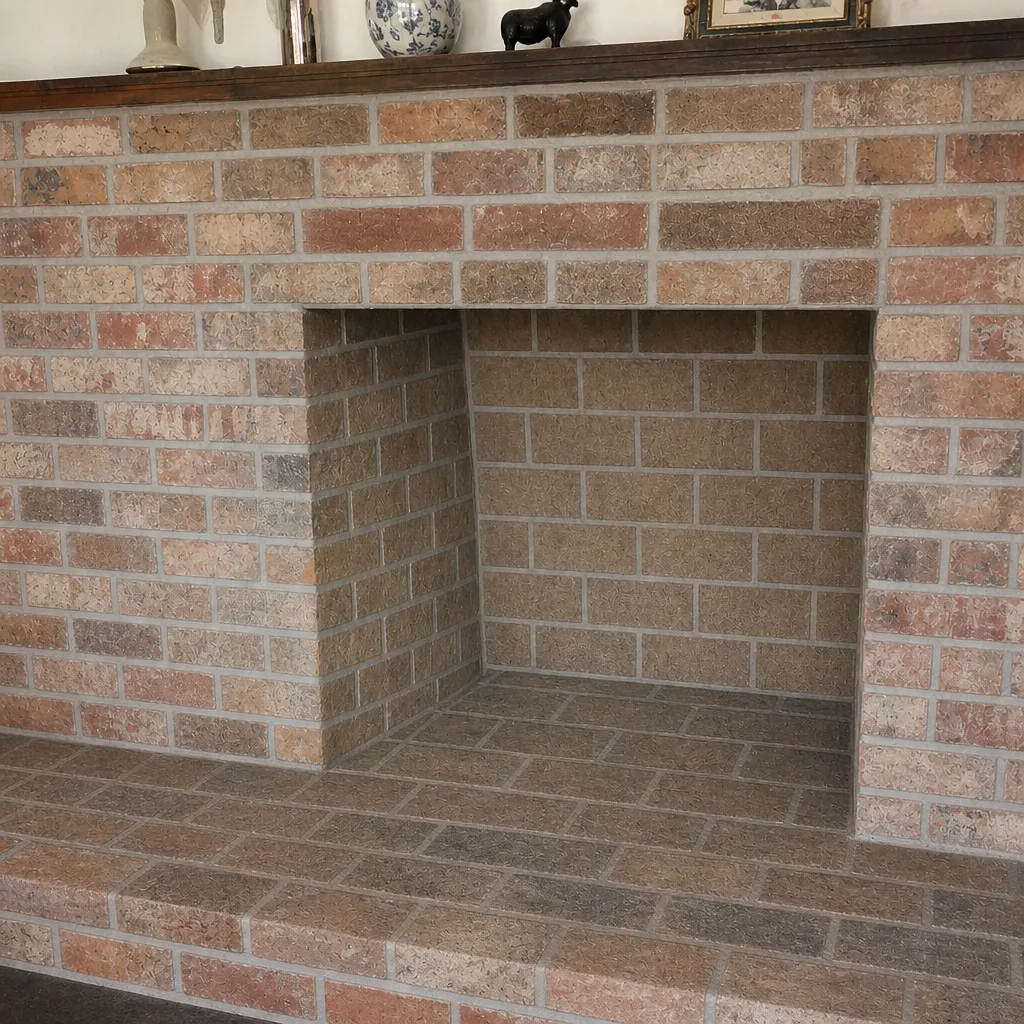
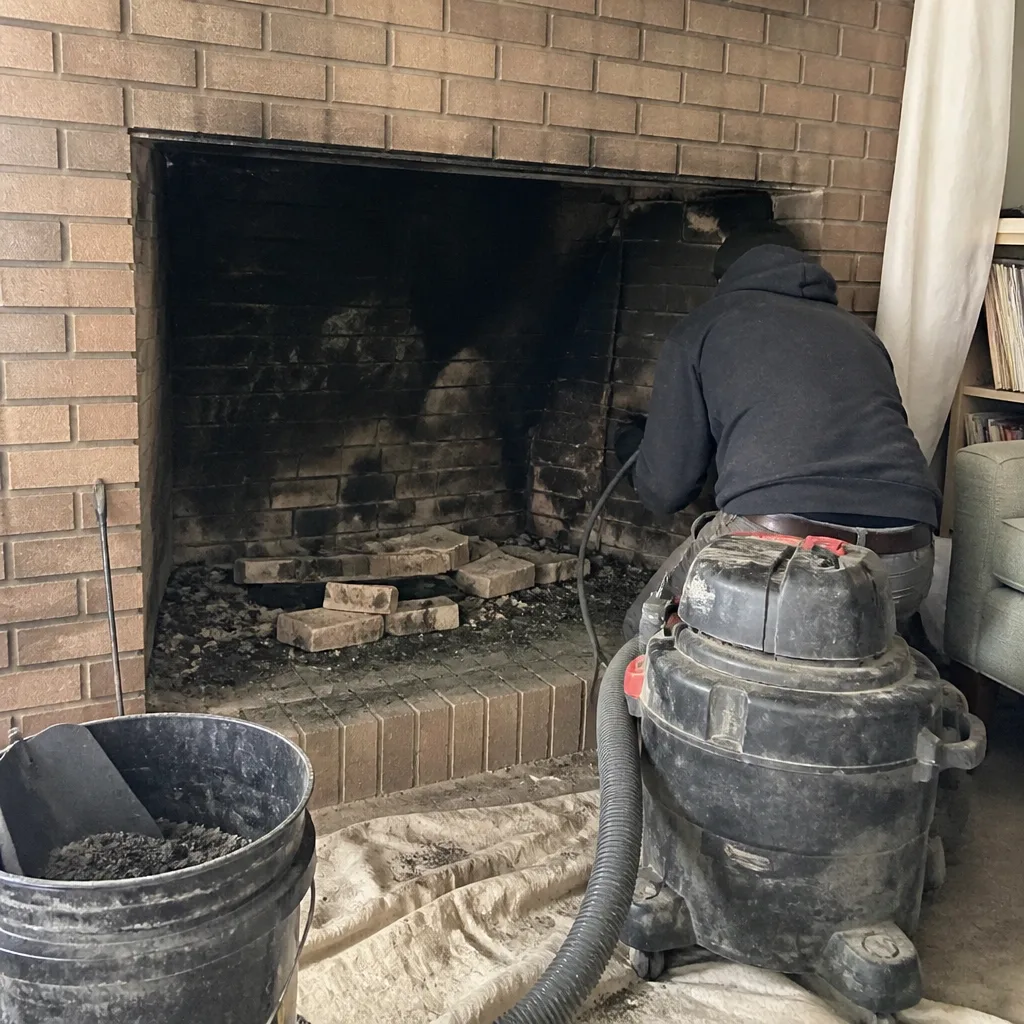
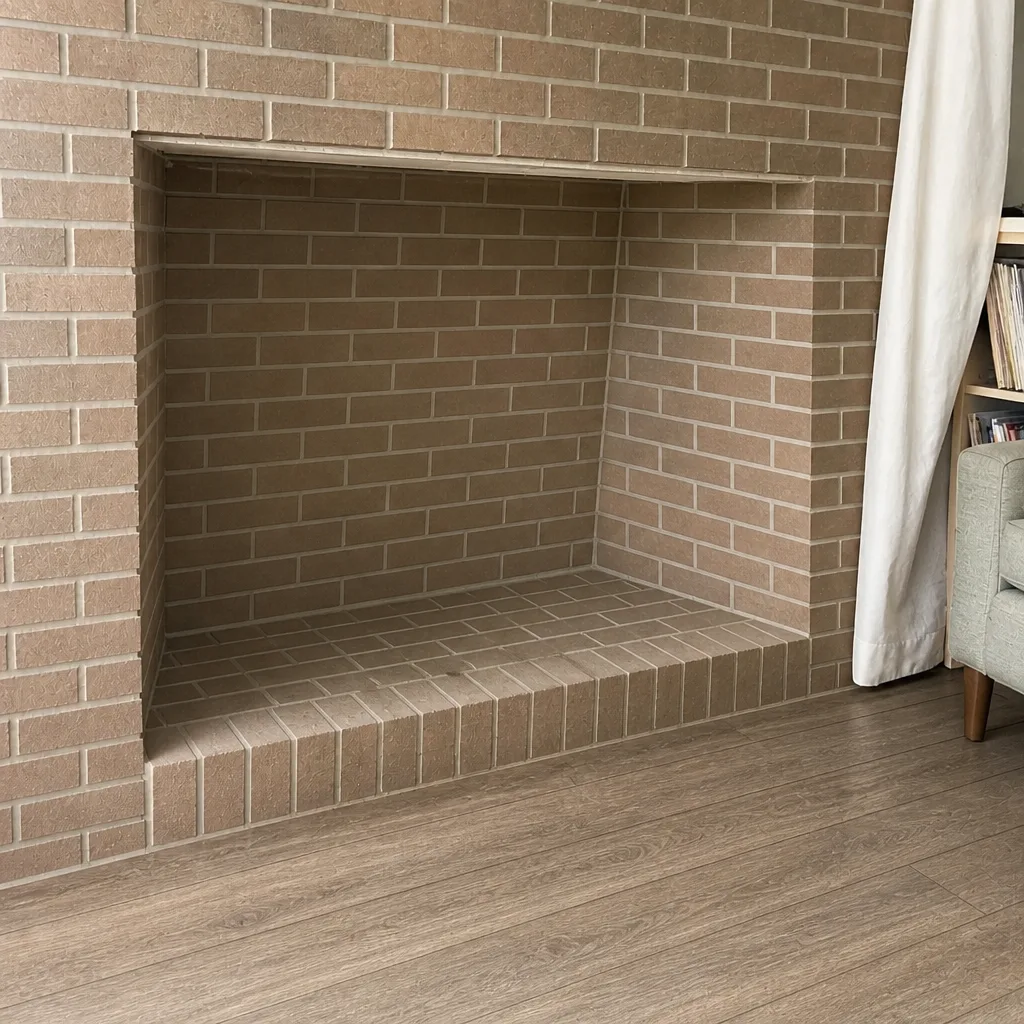
See the difference
 Before
 After
 Before
 After
 Before
 After
Frequently Asked Questions
No, chimney cleaning does not require a permit in Salt Lake City. Sweeping is maintenance, and the city doesn’t track or inspect it. If the sweep uncovers a liner problem, a structural issue, or a change to the venting system, the repair that follows may require a permit, and that’s where the code comes in. Call (833) 497-1153 for an exact quote on a sweep or an estimate on the repair – estimates are free.
In most cases, yes. Relining changes the venting system, and Salt Lake City Building Services generally requires a permit for it. This applies whether you’re replacing a failed clay tile liner, installing a liner for a gas insert, or correcting a liner deficiency found at a home sale. The permit and the resulting inspection create a record that the work met code. Call (833) 497-1153 for an exact quote on a permitted reline – estimates are free.
A Level 2 inspection is a camera-based, comprehensive examination of the flue and all accessible portions of the venting system. It’s required at a change in use or occupancy, which includes a home sale, and it’s recommended after a chimney fire or a chimney event like a lightning strike or a sudden failure. It documents the condition of the liner, joints, dampers, and clearances. If you need one before a sale, call (833) 497-1153 – estimates are free.
Sometimes, but narrowly. The grandfather clause protects a chimney that was compliant when it was built and remains in serviceable condition serving the same kind of appliance. It doesn’t protect you from code requirements when you replace the liner, change the appliance, do structural repair, or if the chimney is unsafe. A cracked clay tile liner is not the same as a compliant older liner – the cracks mean it’s no longer doing the job it was grandfathered to do. Call (833) 497-1153 for an evaluation and a straight answer on what can wait and what can’t.
The missing permit can become a problem with an insurance claim. An adjuster reviewing a fire loss asks for the permit record for any liner or fireplace work. If the work was done without a permit, the adjuster has a legitimate question about whether it met code, and that question can delay or complicate the claim. Pulling the permit and having it inspected is the protection. Call (833) 497-1153 if you want a permitted installation – estimates are free.
The general rule is annual sweeping for a wood-burning fireplace that’s used regularly, and annual inspection for any fireplace, including gas. Sweeping doesn’t trigger a permit. The inspection part matters more than the cleaning schedule, because that’s where code issues get found, and if the inspection reveals a repair that requires a permit, that’s where the process begins. Call (833) 497-1153 to book a sweep and inspection – estimates are free.
The Bottom Line
Cleaning a chimney in Salt Lake City doesn’t involve a permit. Relining one, rebuilding the masonry above the roofline, or correcting structural defects almost always does, because those are alterations under Utah’s adopted residential code and they trigger the requirements of Salt Lake City Building Services. A Level 2 inspection at a home sale is the most common point where those obligations surface. The grandfather clause covers compliant, serviceable, unchanged chimneys and doesn’t cover a cracked clay tile liner that can no longer do its job. The contractor who pulls the permit is the contractor who protects your insurance claim if a fire happens later. Trade-grade materials and a documented inspection are worth more than a lower price on the invoice.
If you’re not sure what your chimney needs, call Forge Chimney Cleaning at (833) 497-1153 for a free estimate. We sweep, repair, and restore, and we’ll tell you plainly when a job can safely wait. We answer 24/7. Fast dispatch from 7am to 7pm, Sunday through Friday.
Written by the team at Forge Chimney Cleaning.