
Last updated November 14, 2026
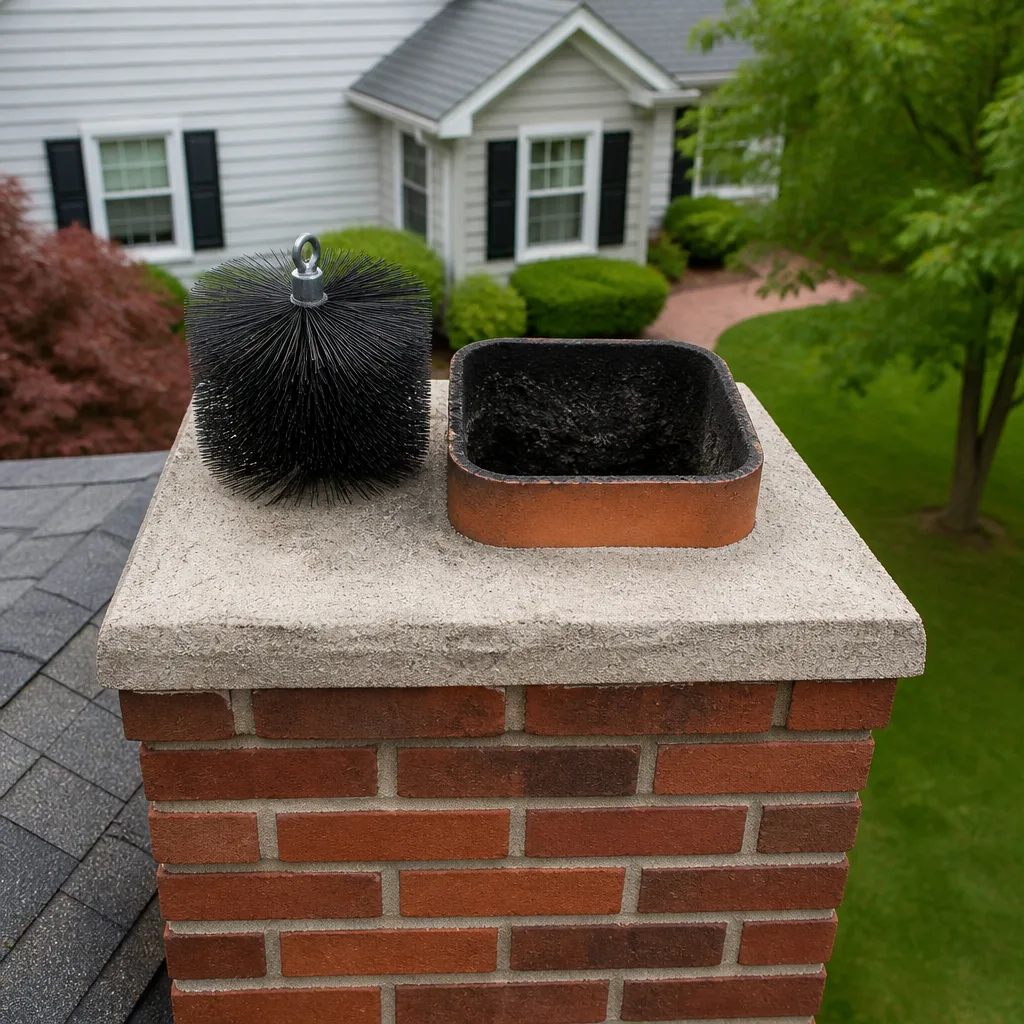 Sweep & inspection
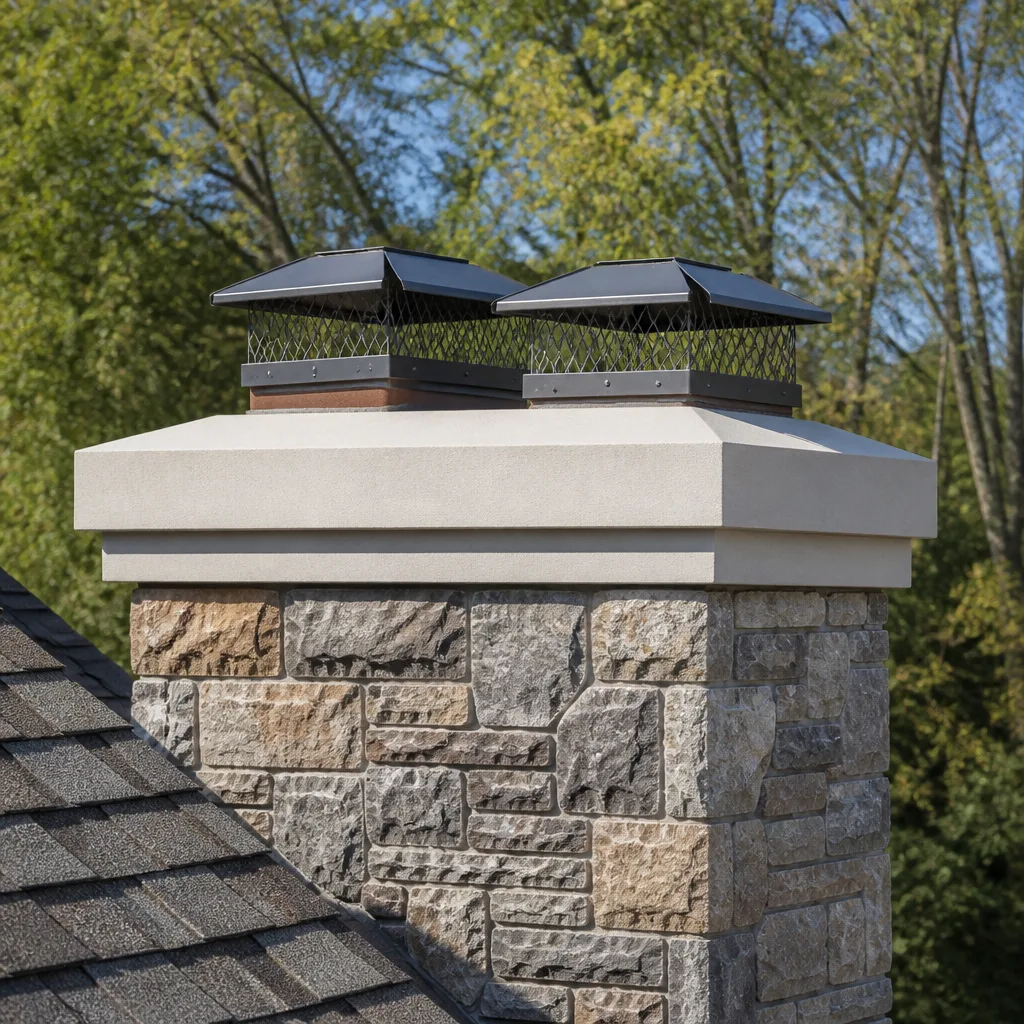 Caps & crowns
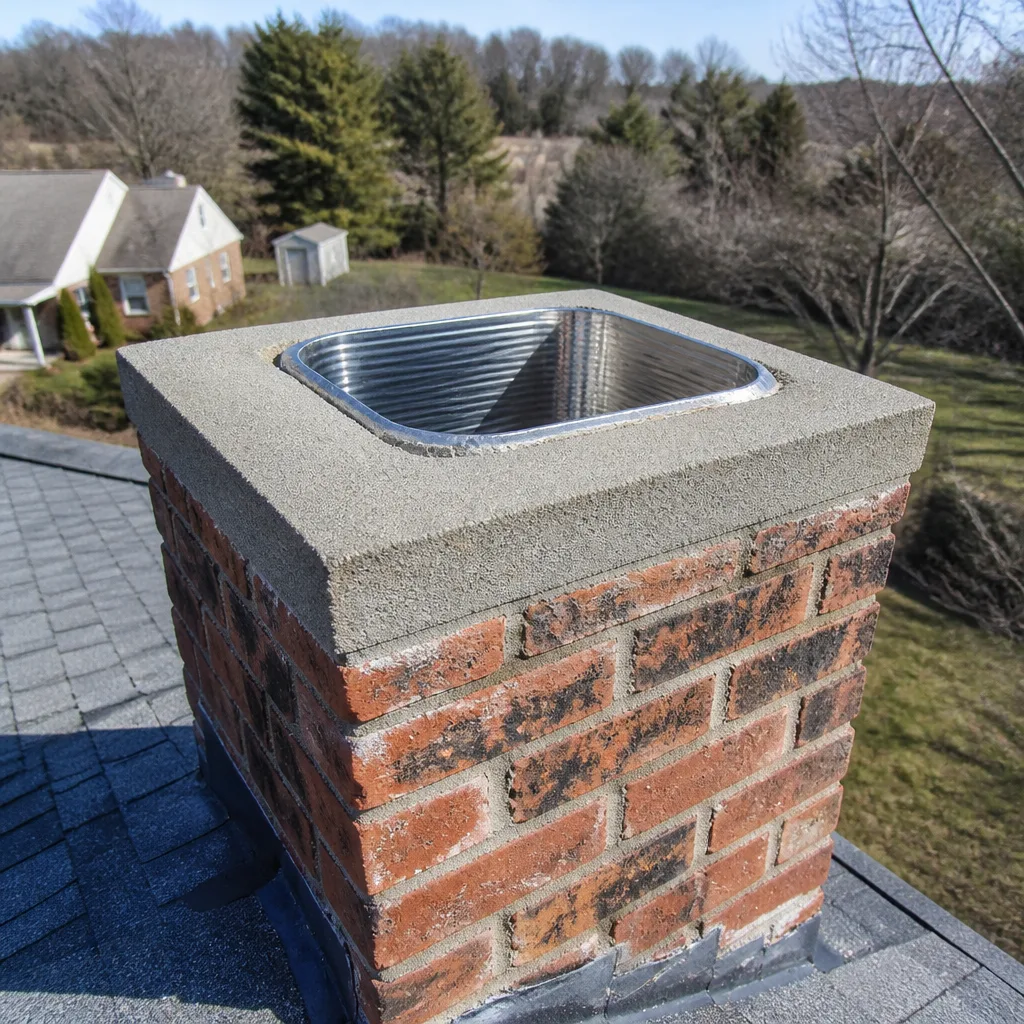 Flue relining
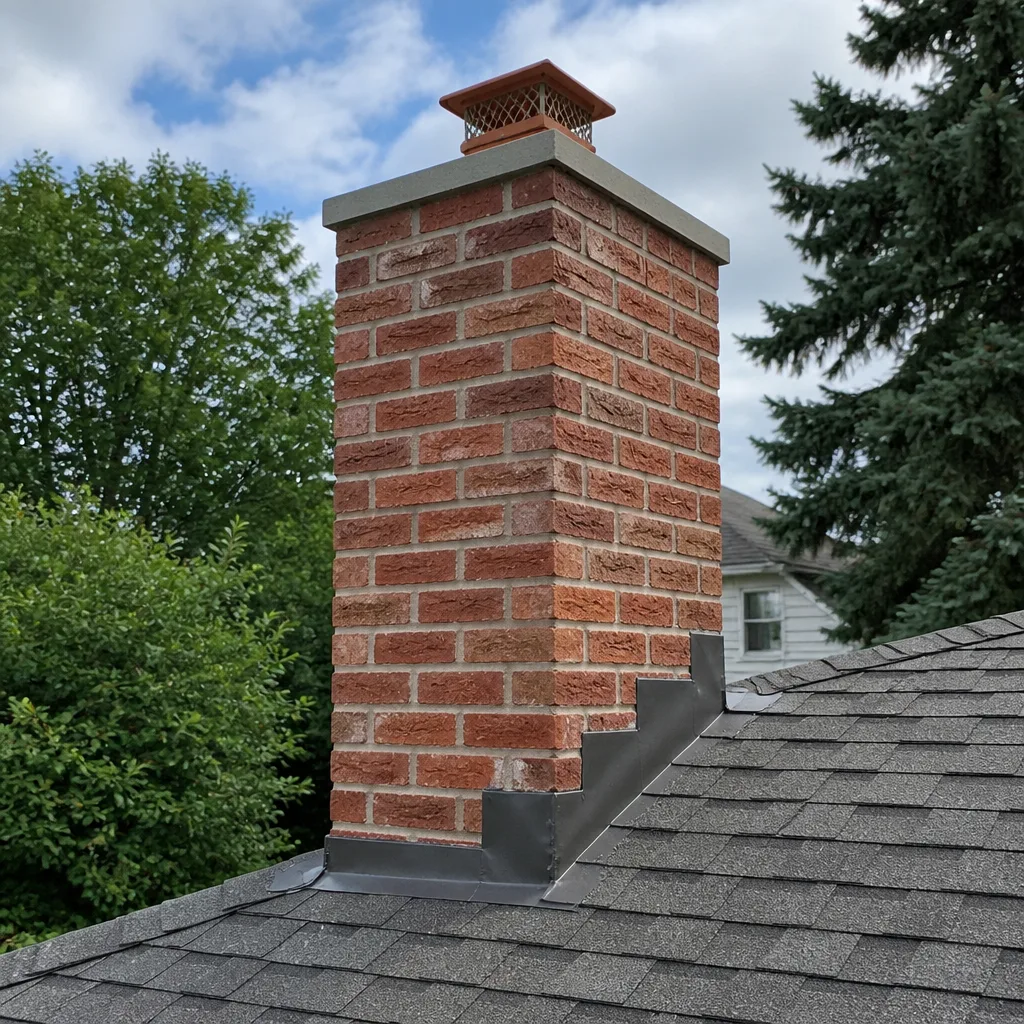 Masonry repair
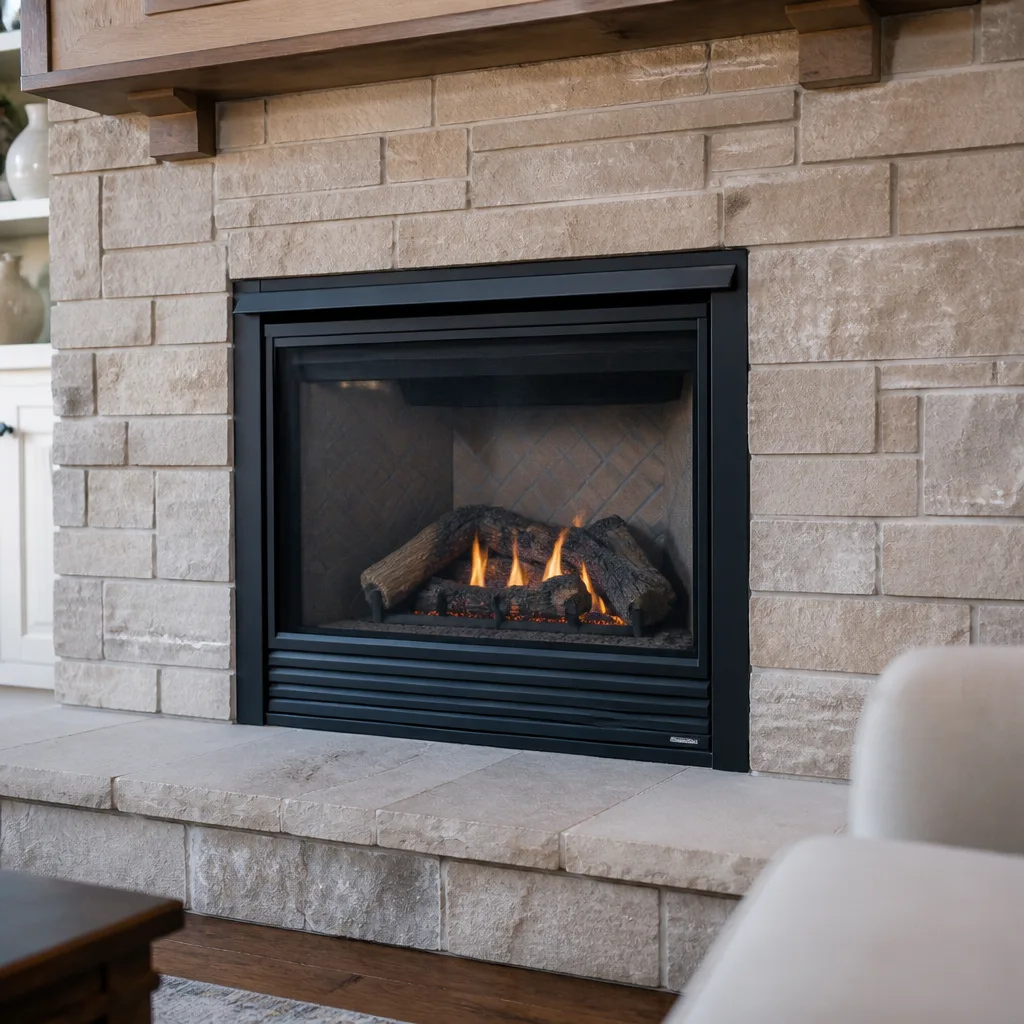 Gas fireplace service
Level 1 sweep and inspection to the NFPA 211 annual standard - flue, crown, cap, and flashing checked and photographed
Chimney sweep logs do not sweep chimneys. They loosen some creosote - which then falls where a brush and vacuum still have to collect it.
Chimney Sweep Maintenance Checklist for Salt Lake City Homeowners
Most chimney maintenance checklists hand homeowners a vague list of things to “watch for” and leave it there. That’s not much help, because the things that actually matter sit behind the firebox, above the damper, and inside a flue you can’t see from the hearth. If your last chimney company didn’t check the smoke chamber, the condition of the damper plate, and the continuity of the flue liner, you got a partial inspection – not a real maintenance visit. This guide walks through what a trained technician should physically inspect, what you can safely check yourself between visits, and how a Salt Lake City heating season shapes the schedule. You’ll finish knowing what good service looks like before anyone in Salt Lake City pulls into your driveway.
Quick Answer
A proper chimney maintenance visit in Salt Lake City covers three things: a full sweep of the flue, a physical inspection of the firebox, smoke chamber, damper, and liner, and a written report of what was found. It should happen once a year for a wood-burning fireplace, ideally before your first burn of the season and before winter inversions settle into the valley. Between professional visits, you can safely check the firebox, work the damper handle, and eyeball the exterior cap – everything above the damper and inside the flue requires a trained technician with the right tools.
Styles & brands we work with
- Sweep & inspection
- Caps & crowns
- Flue relining
- Masonry repair
- Gas fireplace service
Table of Contents
- What a Technician Should Actually Inspect
- Visual Inspection vs. Physical Inspection: Why Both Matter
- The Salt Lake City Seasonal Maintenance Calendar
- What You Can Safely Check Yourself
- The Materials a Proper Maintenance Visit Uses
- Red Flags on a Maintenance Report
- Don’t Forget the Dryer Vent
- How to Choose a Chimney Company
What a Technician Should Actually Inspect
Here’s the part most homeowners never see. A real maintenance visit moves through the chimney front to back and bottom to top, checking components in a specific order. If a technician sweeps, shines a light up the flue, and hands you a bill, they skipped most of it. Our technicians have up to 15 years of experience, and the checklist below is close to what a professional actually works through on a wood-burning setup in Salt Lake City.
Firebox and Hearth
The firebox takes the most direct heat, so it shows wear first. A technician checks for cracked firebrick, crumbling mortar joints, and gaps between the brick and the fireplace face. Hairline cracks in firebrick can be cosmetic; wider cracks that let heat reach the masonry behind them are not. The hearth extension gets checked too, since it’s the barrier between embers and your floor.
Damper and Smoke Shelf
The damper plate opens and closes, and over years of heat cycling it warps, sticks, or stops sealing. A technician works it by hand, checks the hinge and frame, and looks at the smoke shelf just behind it. The smoke shelf is where creosote and debris collect in a way you’ll never spot from the room, and a damper that doesn’t seal properly lets heated air (and smoke) back into the house.
Smoke Chamber
The smoke chamber is the sloped space above the damper that funnels smoke into the flue. Its walls are often rough and corrugated, which gives creosote a place to build up and slows smoke on its way out. Many sweep-only visits skip the smoke chamber entirely. It’s one of the first things we check, because a rough or damaged smoke chamber is a strong signal that a cleaning is turning into a repair conversation.
Flue Liner
The liner is the pipe inside the chimney that carries smoke and gases up and out. Continuity matters most: the liner should run unbroken from the top of the chimney down to the smoke chamber connection. Cracks, gaps, spalling, or missing sections let heat and gases reach the surrounding masonry and framing, which is a real safety issue, not just a maintenance note. Liner condition is best confirmed with a camera, described below.
Crown, Cap, and Chase
The crown is the concrete or masonry cap at the top of the chimney that sheds water away from the masonry. The cap (or chase cover) keeps rain, snow, birds, and debris out of the flue. These are outdoor components, and they take a beating through Utah temperature swings that cycle above and below freezing repeatedly through the winter. Cracks in a crown and rusted-through caps are among the most common findings we see on Salt Lake City roofs.
Visual Inspection vs. Physical Inspection: Why Both Matter
These terms get used interchangeably by homeowners, but they describe two different jobs. A visual inspection is what can be seen from the firebox and, in some cases, from the roof or with a flashlight. A physical inspection involves hands-on checking and tools that reach parts of the system you can’t see. You need both, and a proper maintenance visit combines them.
A visual-only visit has real limits. Standing at the firebox with a light, a technician can see the lower firebox and up into the flue a short distance. That’s it. The smoke chamber stays mostly in shadow. The upper flue is out of sight entirely. And roof-level components like the crown, cap, and top few courses of the flue tile can’t be assessed from the hearth at all.
A physical inspection adds the tools that reach what the eyes can’t. In practice, that means:
- A camera inspection. A chimney camera run down the flue reveals the liner’s full length – joints, cracks, gaps, and any offset where the flue changes direction. This is how we confirm liner condition rather than guess at it.
- Hands-on checks at the damper and smoke chamber. Opening, closing, and testing the damper plate by hand, and reaching into the smoke chamber to feel for rough or crumbling surfaces.
- Roof-level assessment. Checking the crown, cap, chase cover, and the top of the flue where water intrusion starts.
- A sweep that actually reaches the full flue. The brush has to be sized to the flue, run the whole length, and worked through any offsets or transitions.
Both matter because they catch different problems. Visual inspection catches what’s visible and immediately obvious: soot buildup, cracked firebrick, a stuck damper. Physical inspection catches what’s hidden: a cracked liner tile fifty feet up that a flashlight will never reach, a smoke chamber that’s pitted and ready to need resurfacing, a crown crack that’s been letting water in for two winters. If your last visit consisted of a sweep and a quick peek, it was a partial inspection.
The Salt Lake City Seasonal Maintenance Calendar
Salt Lake City’s climate puts a specific rhythm on chimney care. Cold winters, temperature swings that cross the freezing point repeatedly, and the winter inversions that trap cold air in the valley all shape when you should be paying attention. The best schedule isn’t “once a year whenever it’s convenient.” It’s a set of checkpoints shaped around your burn season.
Pre-Season Prep: Before the First Burn
This is the most important check of the year, and it belongs ahead of the first fire you light – typically late summer or early fall. The goal is to get ahead of the burn season with a clean flue and a known-condition liner. By getting the sweep and inspection done before the cold sets in, any needed repair can be scheduled and completed without you spending the first cold snap without a working fireplace. If you’re new to the home or haven’t had the chimney looked at in a while, this is also the visit where a camera inspection of the full flue should happen.
Pre-Inversion Season Prep
Salt Lake City’s winter inversions trap cold air and pollution in the valley, and during those stretches, wood smoke lingers close to the ground instead of dispersing. That’s a distinct reason to have your chimney in good condition before inversion season starts. A clean flue with proper draft burns more completely and sends less visible smoke out the top; a partially blocked flue or a liner in poor condition means a less efficient fire and more to see and smell from the street. Missing the pre-season window and burning into an inversion season with a dirty flue is one of the least helpful things you can do for your neighbors – and one of the most avoidable.
Mid-Winter Monitoring: What to Notice While You’re Burning
No service visit is needed mid-winter unless something changes, but the burn season is when you’ll notice changes. Pay attention to:
- Smoke that rolls back into the room instead of going up the flue
- A damper that gets harder to open or close than it used to be
- Soot or dark staining appearing on the fireplace face above the firebox
- A smell in the house even when the fireplace isn’t lit
- A louder or different draft sound than you’re used to hearing
None of these mean panic, but any of them mean you should have it looked at rather than waiting out the season. Our phone line is open when these things come up. chimney sweep is the service that addresses most of them.
Post-Season Assessment: After Your Last Burn
Once you’ve stopped burning for the year, a post-season assessment is the second most valuable visit on the calendar. You’ve just put the system through a full winter, and the wear from that winter is freshest now. A lining that took on water over the winter, a crown that cracked from freeze-thaw cycles, a cap that loosened in spring wind – all better found in spring than discovered the next fall. Scheduling a spring assessment keeps the off-season open for any repair work so your fall check is quick and clear.
What You Can Safely Check Yourself
You don’t need a technician to notice most warning signs, and a homeowner who knows their own fireplace makes every professional visit more useful. A few checks are simple, safe, and worth doing a couple of times a season. Stick to these; everything above the damper belongs to a professional.
Safe for You to Check
- Firebox condition. With the fireplace cold and no fire lit for at least a day, look at the firebrick and the mortar joints. Note any cracks, crumbling, or gaps between bricks and the fireplace surround.
- Damper handle. Open and close it by hand. It should move without excessive resistance and seat flush when closed. If it’s suddenly harder to work than it was, note it.
- Cap and crown, from the ground. From outside, look up at the top of the chimney. The cap should be intact and covering the flue opening; the crown should look solid, not crumbling or missing chunks. A pair of binoculars helps, and a photo from the yard is handy if you’re describing what you see over the phone.
- Visible soot and staining. Look for dark staining on the fireplace face above the firebox, and check the smoke shelf (just above the damper) with a flashlight. Heavy soot there is worth mentioning to your technician.
- The smell test. A strong smoky smell in the house on a warm day, when the fireplace hasn’t been lit, can signal buildup or a draft issue. Note it and mention it.
Not Safe for You – Get a Professional
Everything inside the flue requires a trained technician. That includes the flue liner (which you can’t see without a camera), the full smoke chamber, and any components on the roof beyond what you can see from the ground. Don’t climb onto the roof to check the cap or crown yourself: a fall from a roof in winter conditions is a serious risk, and a professional visit with the right equipment is worth far more than the trouble. Don’t shove a brush up the flue yourself, either – the brushes and rods are sized to the flue for a reason, and a poorly fitted brush can damage a liner.
The Materials a Proper Maintenance Visit Uses
What a chimney company brings to a job tells you a lot about how thorough the visit will be. Sweep-only services tend to show up with a generic brush, a shop vac, and not much else. A proper maintenance visit uses tools matched to your system, plus the trade-grade products to address what they find. Trade-grade materials, not off-the-shelf substitutes.
Here’s what to look for. Brush grade matters: flue brushes are sized to the flue diameter and matched to the liner material, so a proper sweep uses a correctly sized brush and enough rods to reach the full length of the flue. A camera is non-negotiable for a real inspection – it’s how the full liner gets evaluated. And the sealants and repair materials should be professional-grade, not hardware-store caulk. For damaged smoke chambers, a specialist resurfacing system like HeatShield lets a technician rebuild the chamber surface rather than patch it. For liner issues, professional flexible liner systems like DuraFlex are the repair path. Our technicians also work with Gelco, Olympia Chimney, Famco, and Copperfield components – the same materials professional chimney specialists rely on nationwide.
The point isn’t brand names for their own sake. It’s that the products behind your flue decide how long a repair holds up. We sweep, repair, and restore – not just clean and leave – and the difference shows up in the materials. Built on craft: your flue is only as reliable as the hands and materials behind it.
Red Flags on a Maintenance Report
What comes back on a maintenance report should tell you something useful. If the report is only two or three lines saying “swept and inspected – all good,” ask for specifics. A report that lists components and findings is the one worth keeping. Beyond that, a few findings turn a routine sweep into a genuine repair conversation. Here’s what to watch for.
- Cracked or missing liner tiles. A camera image of gaps, cracks, or offsets in the liner means the flue isn’t fully containing what travels up it. This is the strongest signal that relining – and not just sweeping – is due.
- Damage to the smoke chamber walls. Pitted, crumbling, or heavily corrugated chamber surfaces call for resurfacing. This is where a repair-grade product like HeatShield comes in.
- Crown cracks and cap damage. Water intrusion through a cracked crown or damaged cap destroys masonry from the inside out. It’s the most common “hidden” issue found on any roof assessment.
- A damper that won’t seal properly. Warped, stuck, or rusted-in-place damper plates often need repair, not just adjustment.
- Heavy third-degree creosote. Glazed, tar-like creosote is a job for a sweep with proper tools, but heavy buildup can indicate a draft or burn-habit issue worth discussing.
- Crumbling mortar joints in the firebox. Masonry repairs are sometimes needed so that the firebox stays sound.
If any of these come back on a report, ask what the camera showed. Any competent technician can walk you through the images. If they can’t show you what they saw, ask why. You’re entitled to see the evidence behind the recommendation.
Don’t Forget the Dryer Vent
Most chimney maintenance checklists stop at the fireplace, and that’s a miss. The dryer vent is the other hidden fire hazard in a home, and it’s often neglected for years. Lint buildup inside a dryer vent restricts airflow, and restricted airflow is what causes dryers to overheat. It’s a hazard that builds slowly and quietly, and it’s easy to check on the same visit as your chimney.
Lint accumulation in dryer vents is one of the most overlooked household fire hazards. Signs it’s time for a dryer vent cleaning:
- Clothes take longer than usual to dry
- The dryer feels hot to the touch on the outside
- A burning smell during or after a cycle
- Visible lint behind the dryer or at the exterior vent
- It’s been more than a couple of years since the vent was cleaned
Pairing your chimney sweep with a dryer vent cleaning on the same visit is easy, and it covers two of the most overlooked fire hazards in your home in one appointment. Our technicians have up to 15 years of experience across both.
How to Choose a Chimney Company
Choosing a chimney company comes down to a short list of things that separate a maintenance visit from a sweep-and-gone. Ask these questions before you book.
- Will they do a camera inspection? A chimney company without a camera can’t inspect your liner’s full condition, and a maintenance visit without a camera is a partial inspection.
- Will they produce a written report? You should receive a report listing what was checked and what was found, with camera images to back it up if a repair is recommended.
- Do they repair, or just clean? Some companies sweep and leave; any repair means calling someone else. A company with repair capability – relining, resurfacing – can address what the inspection turns up.
- What materials do they work with? As a professional material question, ask whether they specify trade-grade products like DuraFlex, HeatShield, Olympia Chimney, Famco, or Copperfield. A company that can name its materials has done the work of choosing them.
- Do they offer a free estimate? Any repair should come with a written estimate that sets the final price, and you should be able to see the camera evidence before you commit.
- Is the company insured and licensed? Confirm both before work starts. It’s a basic question and a reasonable one to ask.
For a broader overview of our services, see Forge Chimney Cleaning.
Common Mistakes to Avoid
- Waiting until winter to schedule. Salt Lake City’s first cold snap is when everyone remembers their chimney. Scheduling your pre-season visit before fall avoids the crunch and gives any repair time to happen before the burn season.
- Accepting a sweep-only visit as an inspection. A sweep cleans the flue; an inspection assesses the whole system. If a company sweeps and leaves without checking the smoke chamber and the liner, the job is half done.
- Skipping the camera. A liner’s condition can’t be confirmed by eye from the firebox. If a company won’t or can’t run a camera, you’re not getting a full picture.
- Climbing on the roof yourself. A homeowner checking the cap from the ground is sensible. A homeowner climbing the roof in winter conditions is a genuine fall risk – always leave the roof to a professional.
- Burning unseasoned wood. Green or wet wood creates far more creosote than dry, seasoned wood, which is a quiet way to accelerate buildup. In Salt Lake City’s dry climate, seasoned wood is easy to source – use it.
- Forgetting the dryer vent. Lint buildup is a fire hazard that’s easy to miss. Pair your dryer vent cleaning with your chimney visit and it stops falling through the cracks.
- Ignoring small findings. A hairline crown crack or a slightly stiff damper in fall becomes a much bigger repair by spring. Small findings are the cheapest time to act on them.
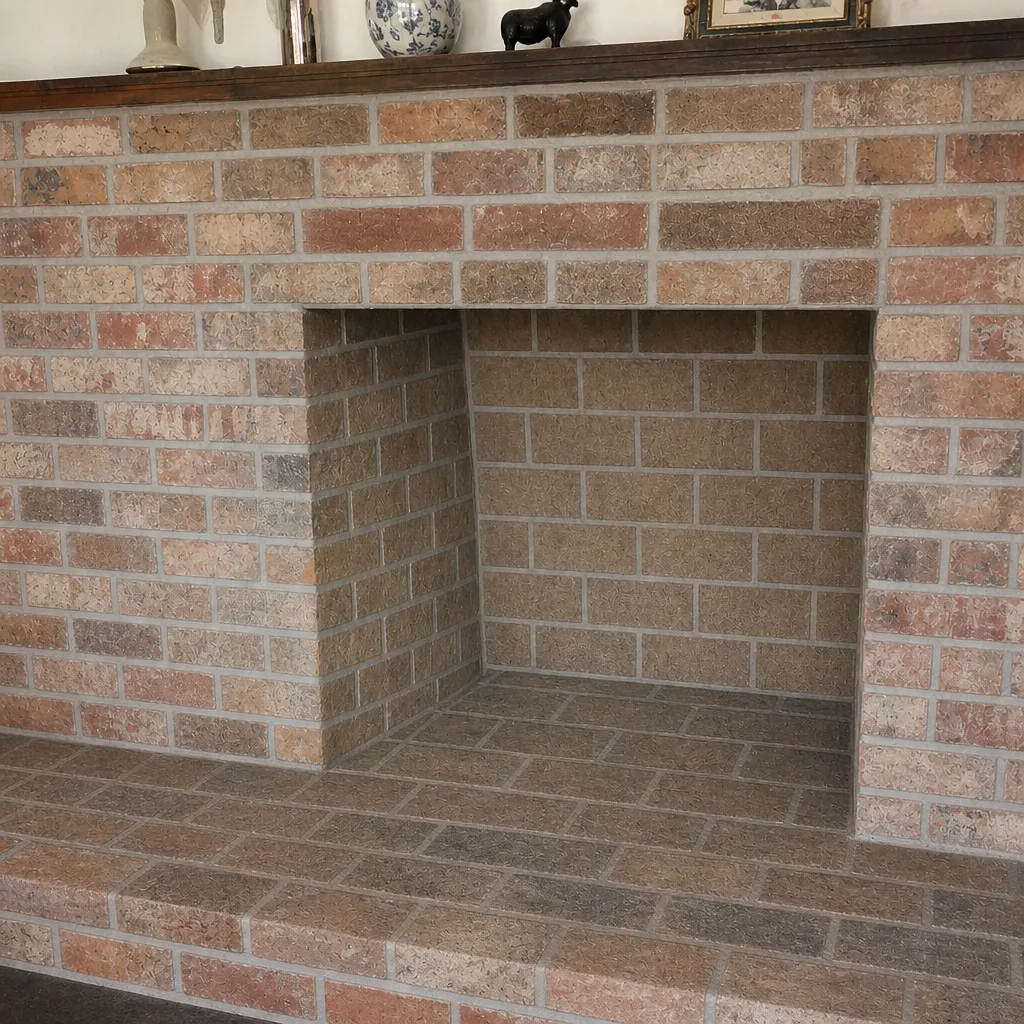
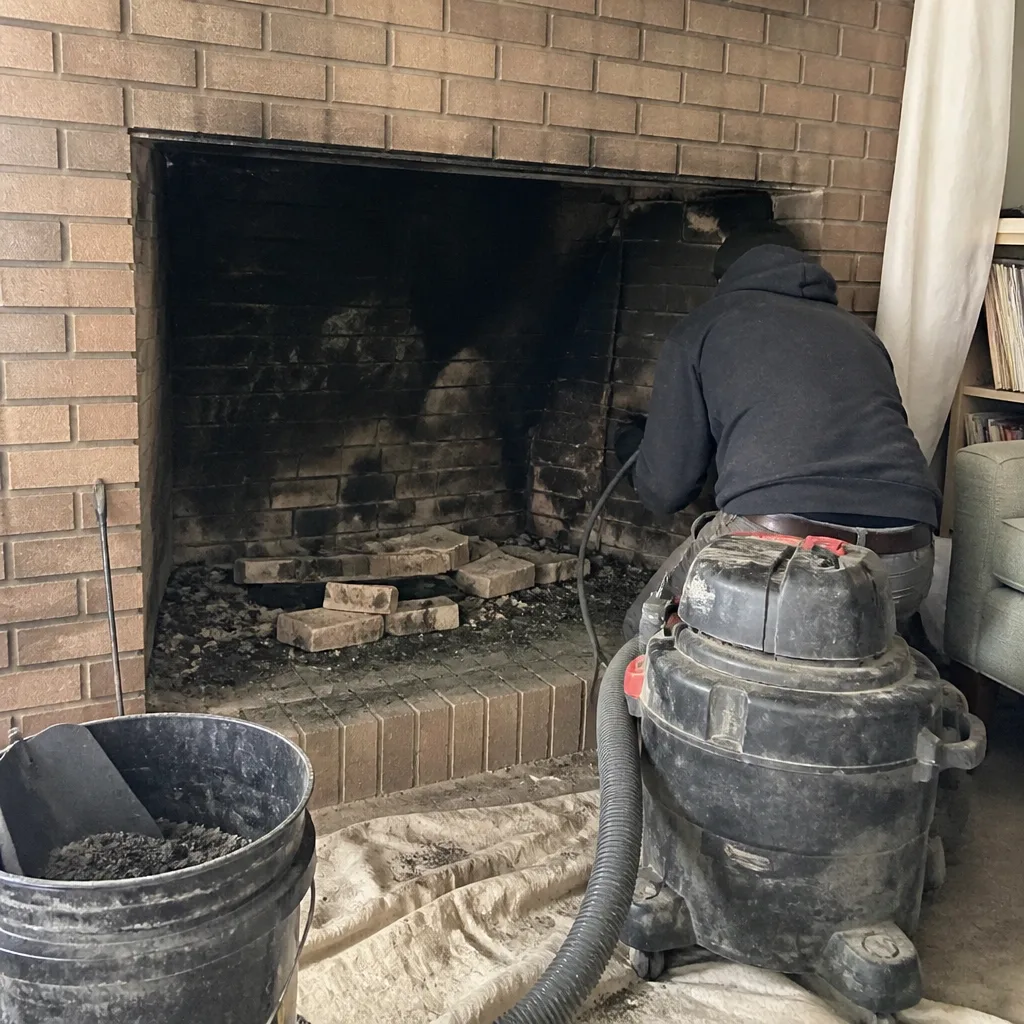
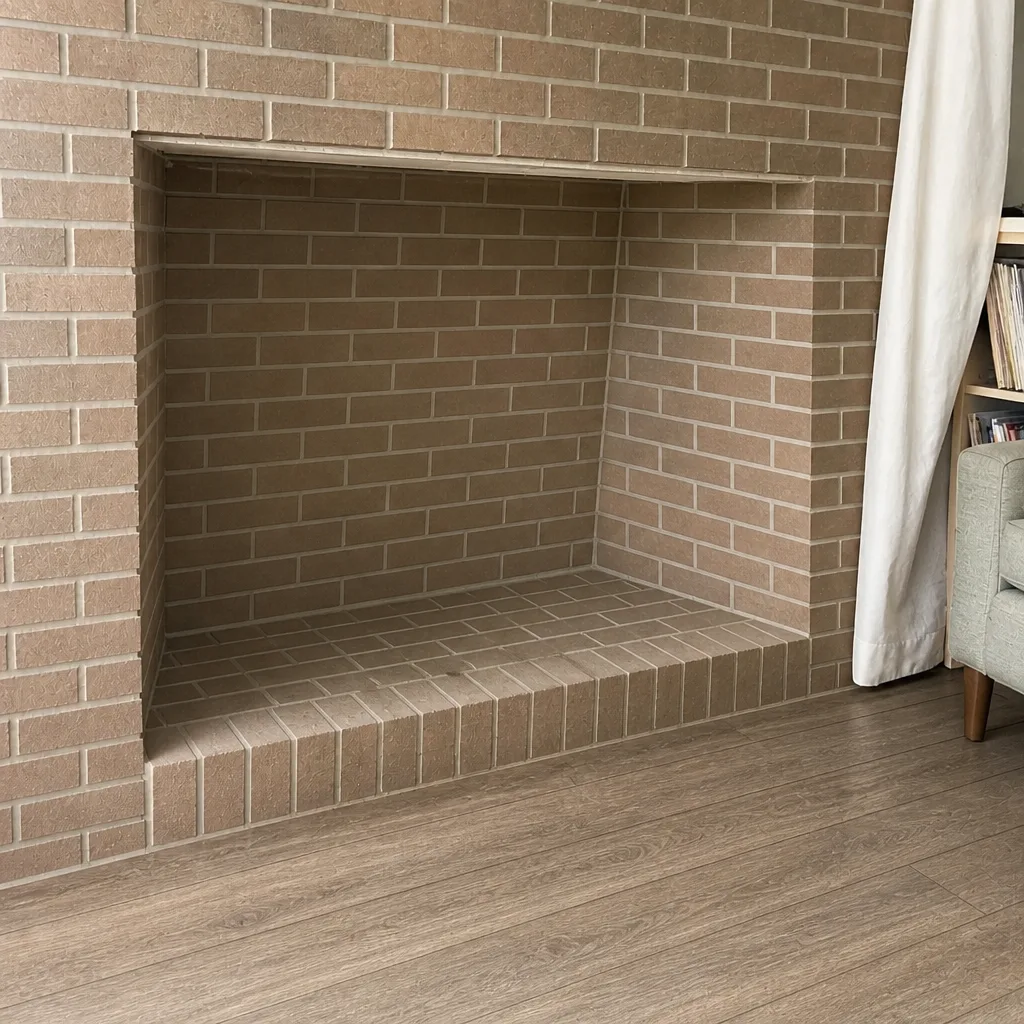
See the difference
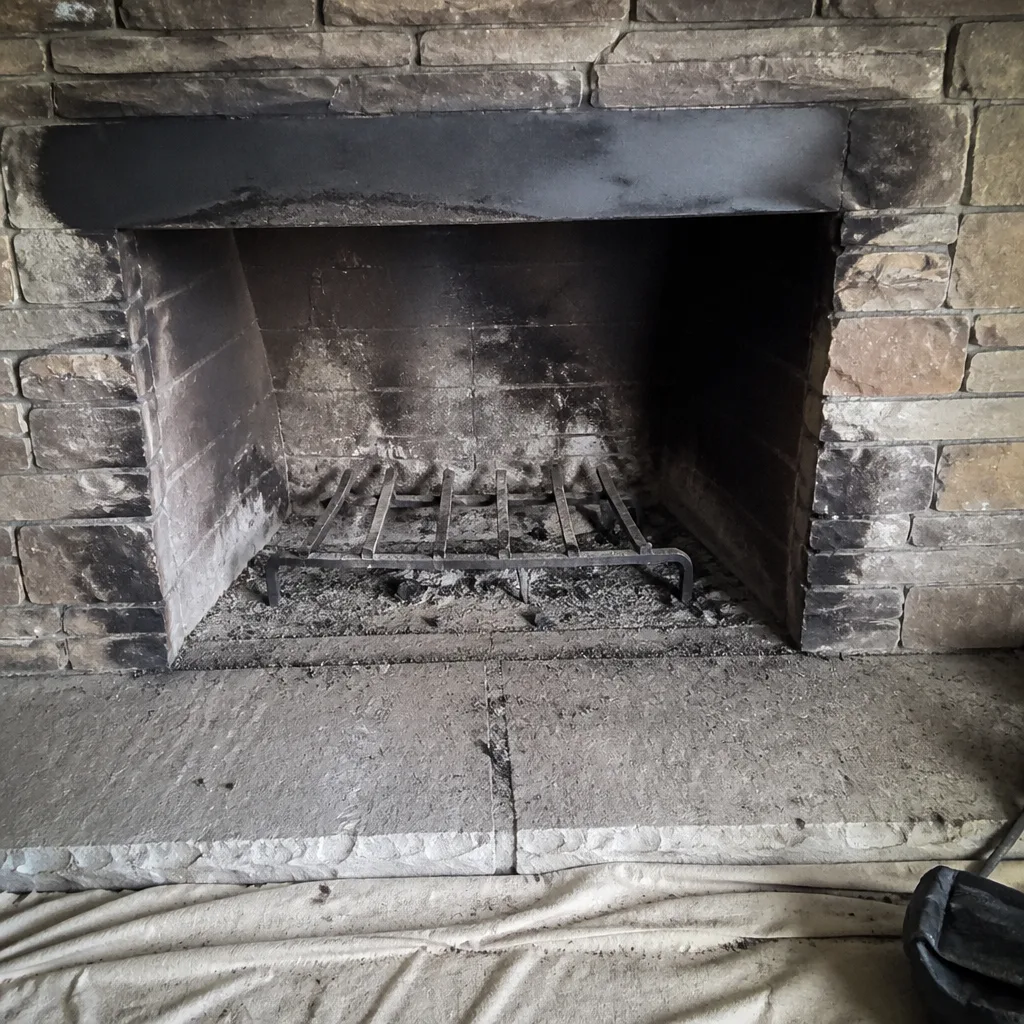 Before
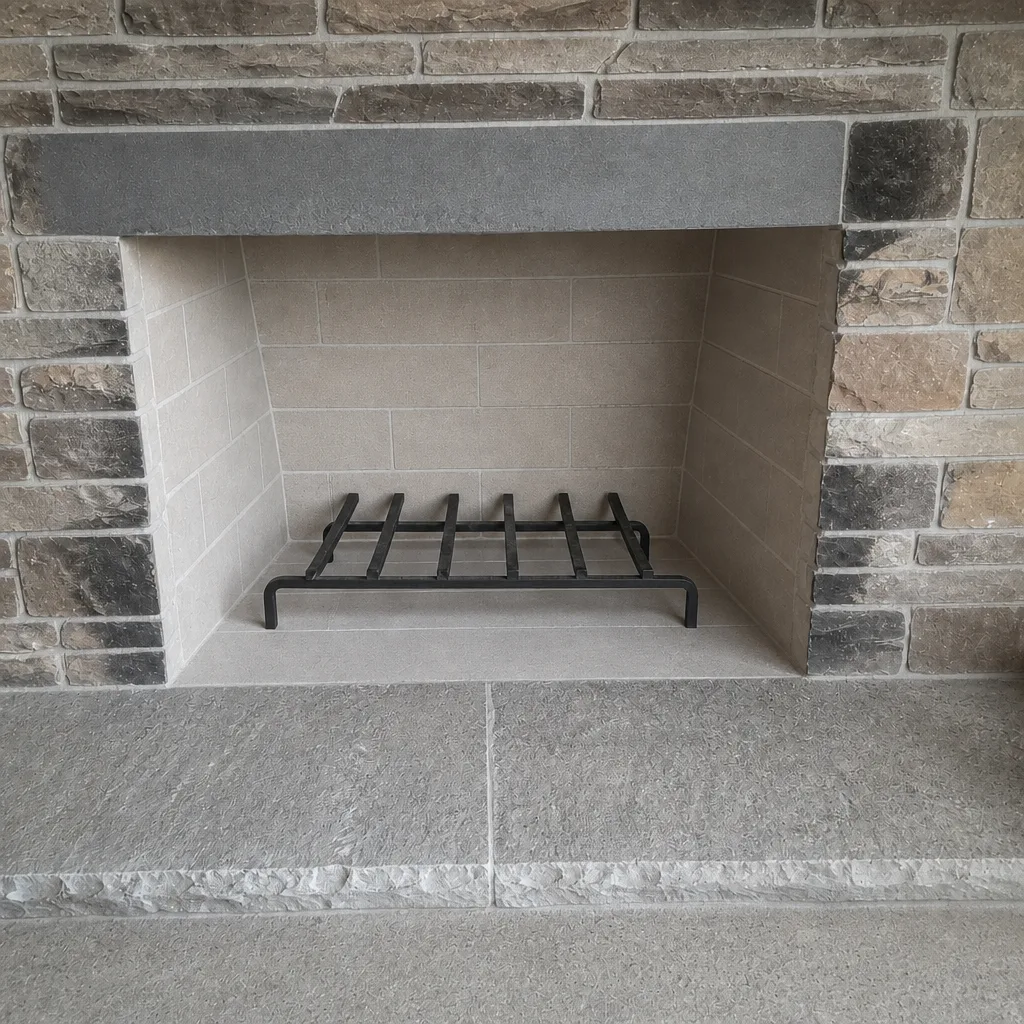 After
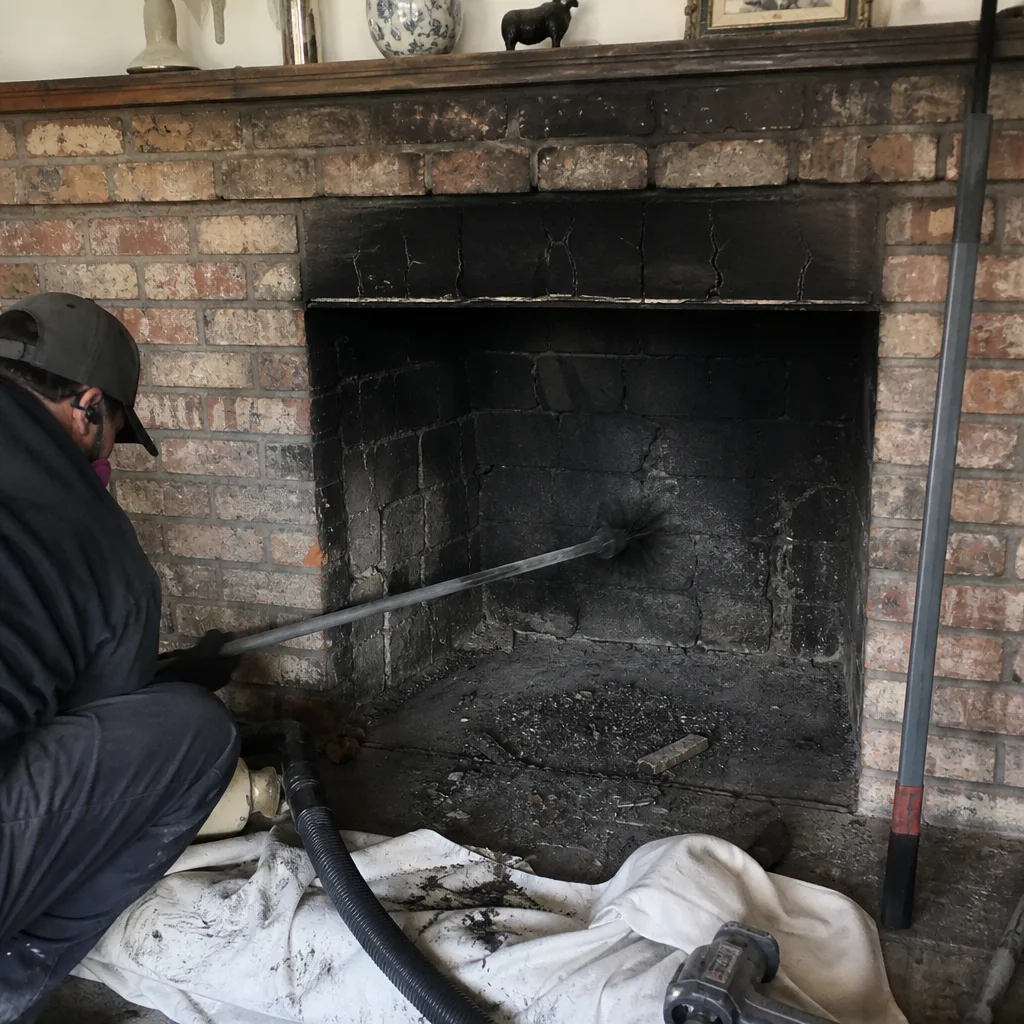 Before
 After
 Before
 After
When to Call a Professional
Some of what you need is on the annual calendar, and some of it needs a call sooner. Call a professional when the fireplace produces smoke that rolls back into the room rather than leaving cleanly up the flue; when the damper becomes noticeably difficult to operate; when you see soot or dark staining above the firebox; when you notice a persistent smoky smell in the house between fires; when the cap appears damaged or missing from the ground; or when it’s been more than a year since your last professional visit. If you’ve just bought a home in Salt Lake City and have no record of the chimney’s history, book a visit before the first burn of the season. Our technicians have up to 15 years of experience and can assess the system with a camera, air them out, and tell you plainly what’s needed and what can wait. Forge Chimney Cleaning offers free estimates in Salt Lake City – call (833) 497-1153.
Frequently Asked Questions
Once a year is the standard for a wood-burning fireplace, and Salt Lake City’s long heating season makes an annual visit the right floor rather than a ceiling. If you burn frequently or use unseasoned wood, check with us mid-season; otherwise, one sweep plus inspection per year keeps the system in good shape. Call (833) 497-1153 for an exact quote – estimates are free.
A new liner is only necessary when the existing liner is cracked, gapped, measured wrong, or missing sections, and you should be able to see that on a camera image before you agree to anything. If a technician tells you the liner needs replacement, ask to see the photos of what they found. If they can’t show you, get a second opinion. Call (833) 497-1153 for an exact quote – estimates are free.
A proper visit includes a full sweep, an inspection of the firebox, smoke chamber, damper, and liner with a camera, a check of roof-level components, and a written report of findings. Anything less is a partial inspection. Call (833) 497-1153 for an exact quote – estimates are free.
Creosote accumulates whether or not you burn much, and a neglected flue means a higher risk of a chimney fire – especially in a year with a heavy burn season. A liner that develops a crack over winter and then sits unattended can also take on water and worsen. The annual visit is the cheapest way to catch a small issue before it becomes a repair. Call (833) 497-1153 for an exact quote – estimates are free.
Yes – we clean dryer vents alongside chimney work, and pairing them on one visit is easy. The dryer vent is a fire hazard that’s frequently overlooked, and having it looked at while we’re already at your home costs less hassle than a separate appointment. Call (833) 497-1153 for an exact quote – estimates are free.
Check the firebox for cracks, work the damper handle, and look at the cap and crown from the ground; leave everything above the damper to a professional. Keep an eye out for smoke rolling into the room, a stiff damper, or soot staining, and call if any of those show up. Call (833) 497-1153 for an exact quote – estimates are free.
The Bottom Line
A chimney maintenance checklist is worth having if it tells you what a technician should actually do, not just what to worry about. The short version: get a full sweep and camera inspection once a year, ideally before your first burn and again in spring if you can, and make sure the smoke chamber, damper, and liner continuity are all checked – not just the flue. Check the firebox, damper, and exterior cap yourself between visits, leave the roof and the flue to a professional, and pair your dryer vent cleaning with your chimney sweep if you can. And if a report recommends a repair, ask to see the camera evidence. Forge Chimney Cleaning works in Salt Lake City and across the Salt Lake City area – give us a call and we’ll walk through what your chimney actually needs.
Call (833) 497-1153 for a free estimate. We answer 24/7. Fast dispatch from 7am to 7pm, Sunday through Friday.
Written by the team at Forge Chimney Cleaning.