
Last updated November 14, 2026
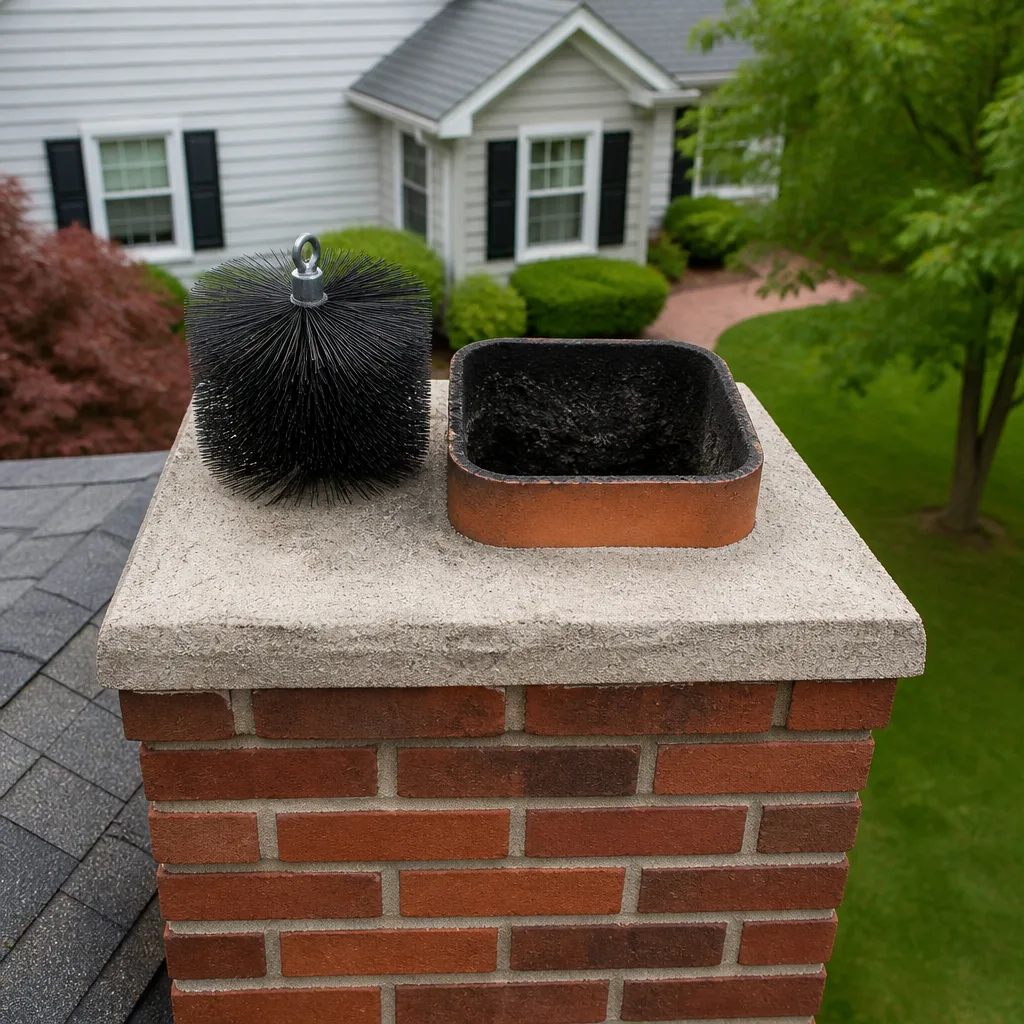 Sweep & inspection
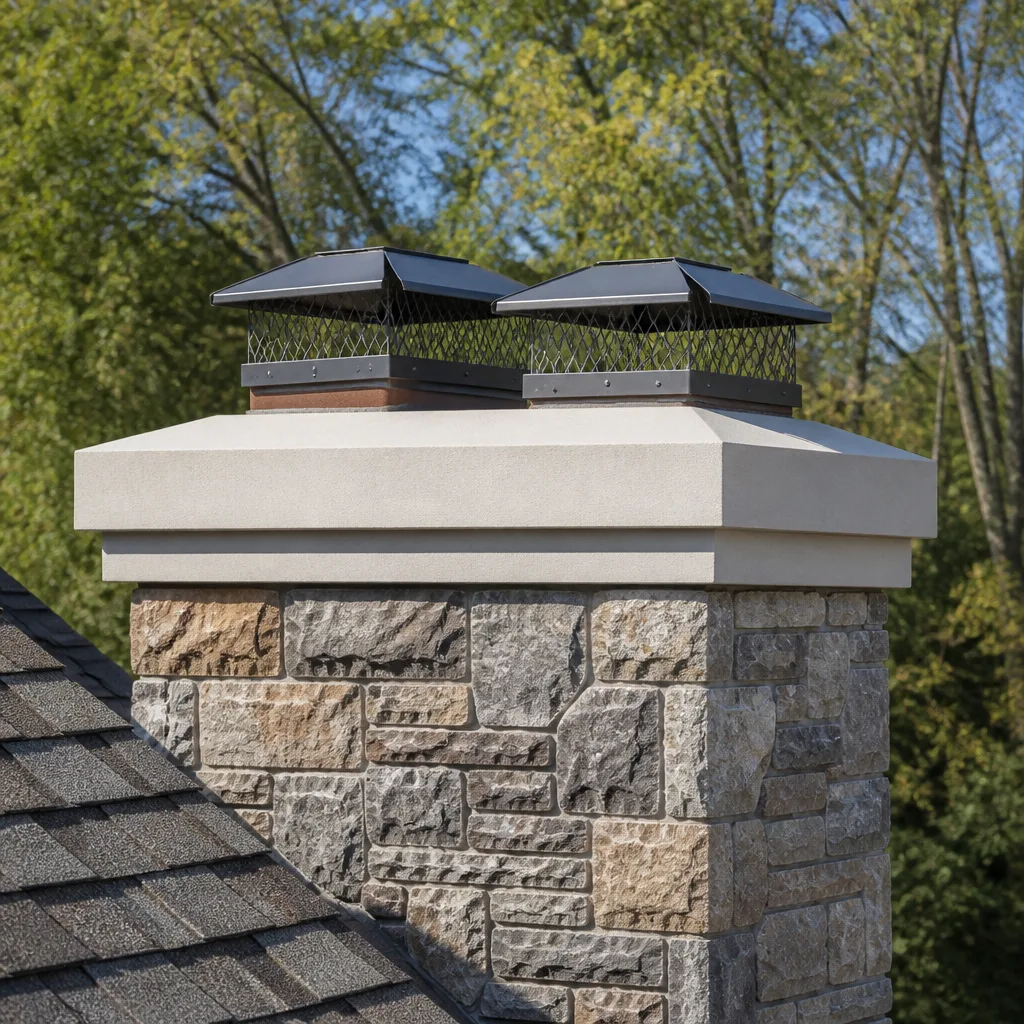 Caps & crowns
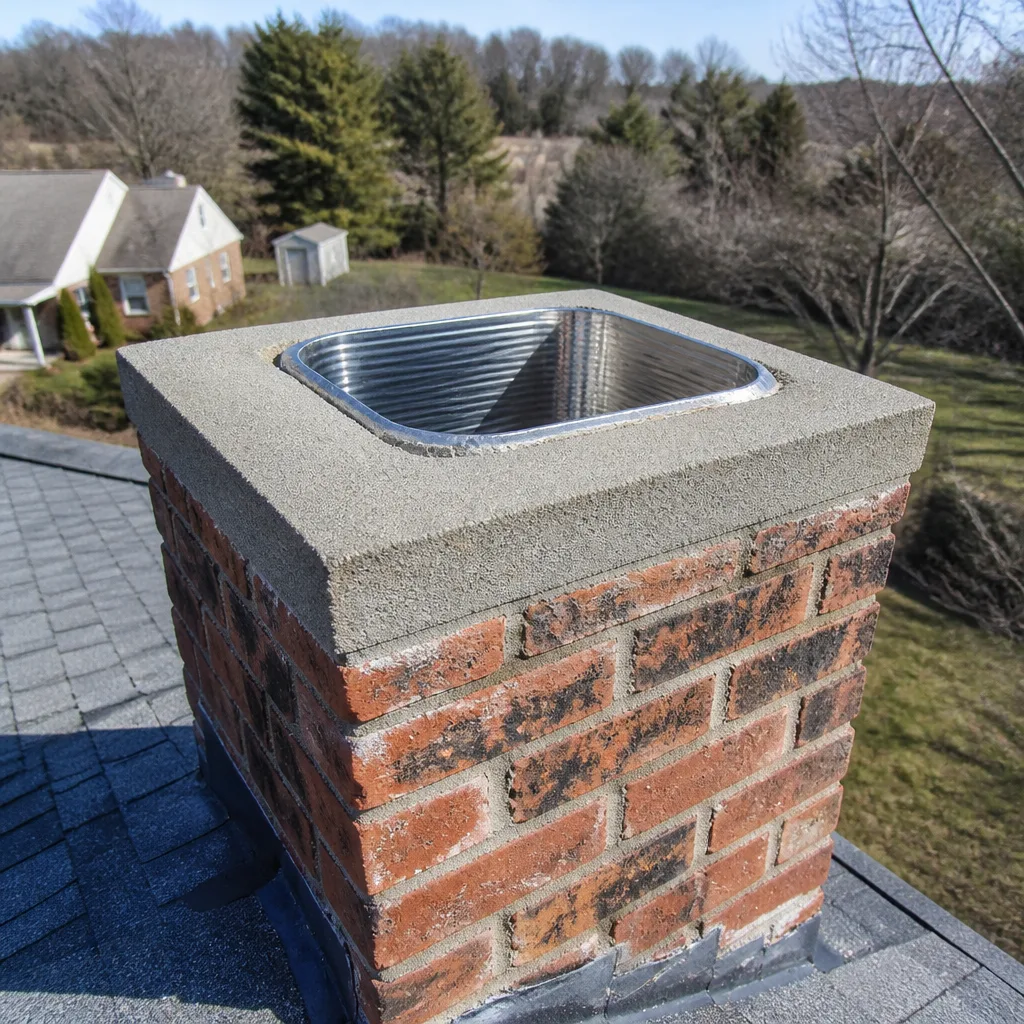 Flue relining
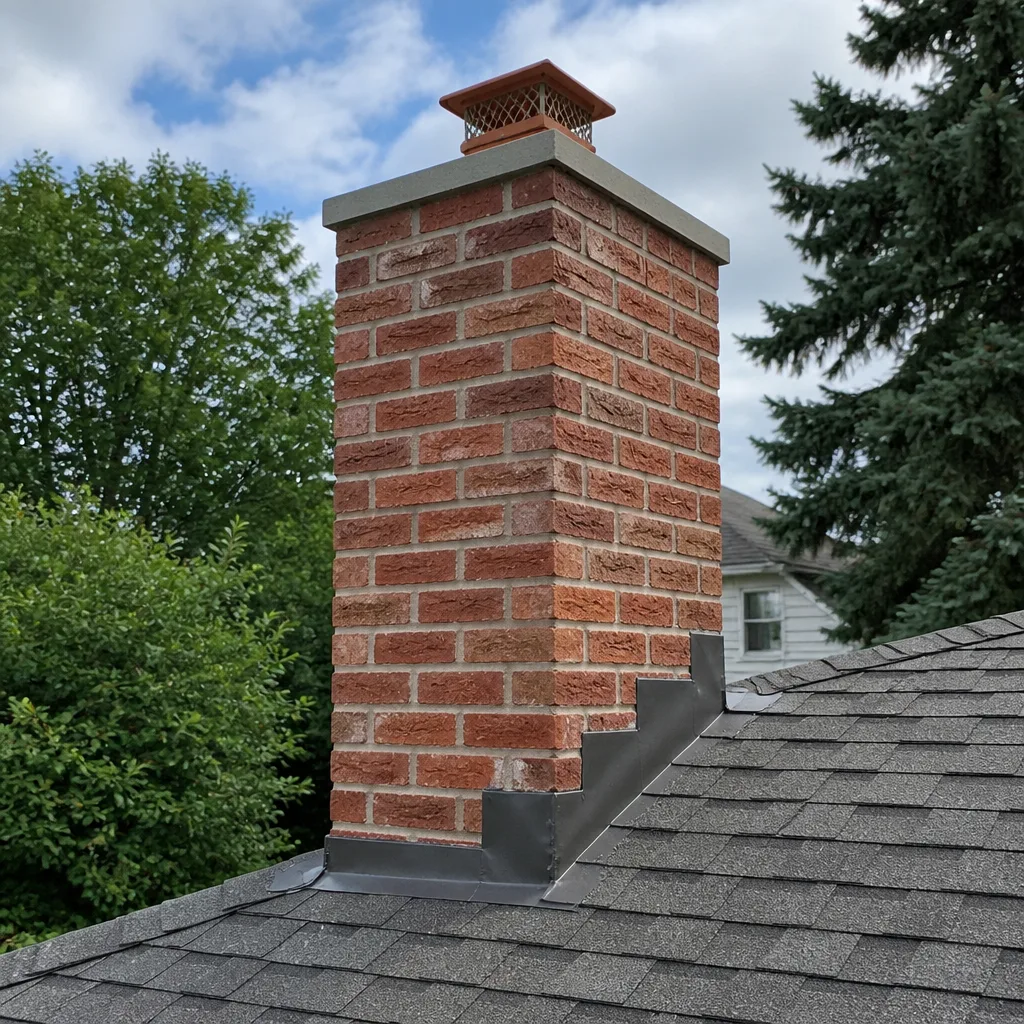 Masonry repair
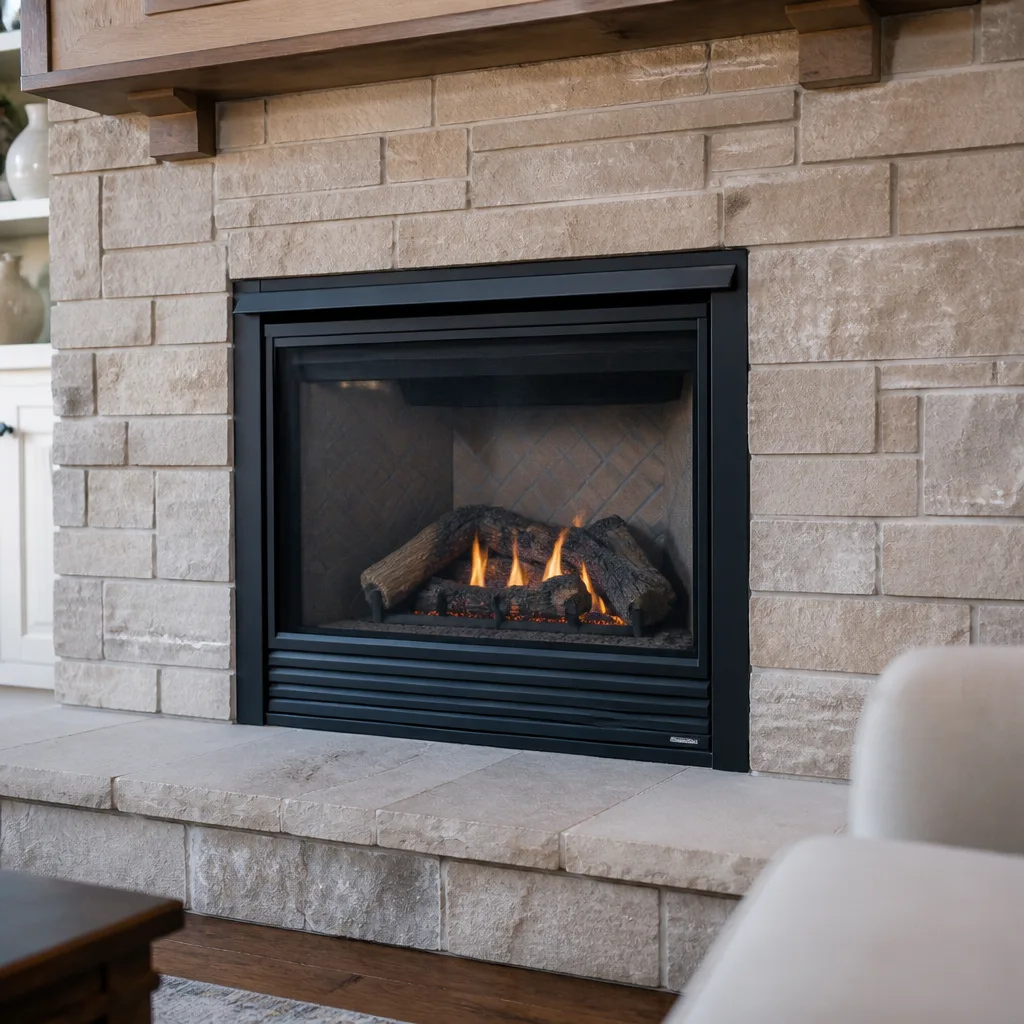 Gas fireplace service
Level 1 sweep and inspection to the NFPA 211 annual standard - flue, crown, cap, and flashing checked and photographed
Chimney sweep logs do not sweep chimneys. They loosen some creosote - which then falls where a brush and vacuum still have to collect it.
Chimney Cleaning Warning Signs: A Salt Lake City Homeowner’s Reference Guide
Most guides to chimney problems describe the dramatic stuff: smoke rolling into the living room, flames where flames shouldn’t be. Those are end-stage signals. The signs that actually prevent a chimney fire usually show up weeks or months earlier, and they’re quiet enough that homeowners wave them off as normal. A white haze on the exterior brick is a good example. It isn’t cosmetic weathering. It’s efflorescence, and it means water is already moving through your masonry in a way that gets considerably more expensive to correct the longer it’s ignored. This guide walks through the subtle signals in Salt Lake City homes, what each one actually indicates, and how to tell the difference between “book a cleaning” and “stop using this fireplace.”
Quick Answer
The earliest chimney warning signs in Salt Lake City are rarely visible fire or smoke. They show up as changes in smell (damp wood, oily tar, or a sharp gunpowder note after burning), glazed or shiny creosote on the firebox walls, back-puffing or slow ignition tied to valley inversion pressure and elevation, and exterior clues like spalling brick, a crumbling crown, or rust streaks below the cap. Any of these means the flue needs a professional look. A roaring fire, smoke filling the room, or a strong chemical smell means stop using the chimney until a technician inspects it.
Styles & brands we work with
- Sweep & inspection
- Caps & crowns
- Flue relining
- Masonry repair
- Gas fireplace service
Table of Contents
- The Smell Test: What Chimney Odors Are Telling You
- Firebox Cues: Glazed Creosote vs. Normal Soot
- Draft Problems Decoded for Salt Lake City Homes
- Exterior Warning Signs Most Homeowners Miss
- Cleaning vs. Stop Using It: A Decision Framework
- The Overlooked Second Hazard: Your Dryer Vent
- Common Mistakes to Avoid
- When to Call a Professional
The Smell Test: What Chimney Odors Are Telling You
Your nose is often the first instrument to catch a developing chimney problem, and it’s more precise than most people realize. Different smells point to different conditions, and each one calls for a different response. Pay attention to when the smell appears too: a scent that’s always been there is background, while a smell that’s new or growing stronger is information.
Here’s how to read the three most common chimney odors:
- Damp-wood smell. A musty, wet-wood odor that lingers even when the fireplace is cold usually points to moisture in the masonry or in the flue itself. In Salt Lake City, where snowmelt and irrigation both put water against exterior chimneys, this is one of the most common early signals we encounter. Moisture weakens mortar over time and sets up the freeze-thaw damage covered further down.
- Oily, tarry smell. That heavy, almost asphalt-like note is creosote, the residue left behind when wood smoke cools against the flue walls. When you can smell it strongly in the room rather than just at the firebox, the deposit has likely built up enough to matter. Creosote is the primary fuel in most chimney fires, so this is a schedule-a-cleaning signal rather than an emergency.
- Sharp gunpowder smell after a fire. A sulfurous or gunpowder-like odor that appears shortly after you’ve burned is a red flag. It can indicate that creosote inside the flue has ignited and smoldered, even briefly. A small flue fire often goes out on its own and leaves no flame you’d notice, but the chimney should be inspected before it’s used again.
If you smell nothing at all, that’s not automatic clearance either. A well-drafted flue carries odor up and out, which means the visual checks below still matter. When the source of a smell isn’t clear, an inspection settles it. For Salt Lake City homeowners who want the full service, our chimney sweep includes a camera inspection so you can see the flue condition for yourself rather than take anyone’s word for it.
Firebox Cues: Glazed Creosote vs. Normal Soot
Open the firebox door and look at the walls above and beside the damper. Some dark coating is normal on any wood-burning fireplace. The question is what kind, because soot, creosote, and glazed creosote call for three different levels of response. This is one of those distinctions that changes the service entirely, and it’s a distinction most homeowners have never been taught to make.
Here’s how to read what you’re seeing:
- Dry, powdery black soot. This is the lightest stage. It wipes off with a brush and rag, and it’s what a routine sweep clears. If this is all you find, you’re likely on schedule.
- Crusty, flaky, or brittle deposit. This is a heavier creosote stage that’s starting to bond to the surface. A standard sweep removes most of it, but buildup this thick usually means the flue hasn’t been cleaned as often as it should.
- Shiny, glazed, or tar-like coating. This is glazed creosote, and it’s the one that matters most. It looks almost varnished, can be puddled or dripped, and refuses to come off with a normal brush. It’s also the most combustible form of the residue, and it signals that the flue has been running too cool for the wood being burned. Glazed creosote needs a specialist removal method, sometimes with a resurfacing product like HeatShield afterward to restore a smooth, sound flue wall.
You can also check the damper and the smoke shelf behind it. A ridge of gummy deposit there means the same process is happening higher up where you can’t see. In our experience across Salt Lake City, glazed creosote is more common in homes that burn unseasoned wood or run the fire low and slow all evening, both of which cool the smoke before it leaves the flue. If the coating is shiny rather than dusty, it’s worth a professional look before you light the next fire.
Draft Problems Decoded for Salt Lake City Homes
A chimney that puffs smoke into the room, lights slowly, or spills smoke when you open the door isn’t always a dirty chimney. Draft is a pressure relationship between the house and the flue, and in Salt Lake City that relationship gets pushed around by two local facts: valley elevation and winter inversion pressure. At higher elevation, the air is thinner, and thin air holds less of the heat differential that drives a draft upward. During an inversion, the valley traps cold, dense air beneath a warmer layer, and that pressure can stall a flue that works fine on a clear day.
Here are the usual causes of back-puffing, slow ignition, and smoke rollout in Salt Lake City homes:
- A cold flue. A chimney that hasn’t run in days fills with cold, dense air. Lighting a fire without warming the flue first can push smoke back into the room until the draft reverses. On inversion days this takes longer.
- Negative pressure in the house. Modern homes are tight, and exhaust fans in kitchens and bathrooms pull air out faster than the house takes it in. When the house is starved for makeup air, the chimney becomes the supply, and smoke follows the reverse path.
- A blocked or restricted flue. Nests, fallen mortar, or heavy creosote narrowing the flue all cut draft. This is the point where draft trouble overlaps with a cleaning need.
- Stack height or cap issues. A cap that’s damaged or a flue that doesn’t rise high enough above the roofline can let wind and pressure spill smoke. Wind coming over the Wasatch can create down-drafts that show up as intermittent back-puffing.
If your fireplace only misbehaves on gusty days or during an inversion, that’s a pressure story worth telling a technician. If it sputters every time regardless of weather, the flue itself likely needs attention. Either way, don’t keep building fires that smoke into the room. If you’re unsure, the Salt Lake City service page has more on how a sweep and inspection sorts out draft problems from maintenance ones.
Exterior Warning Signs Most Homeowners Miss
The outside of your chimney tells you things you can’t see from the living room, and it’s the area most homeowners never look at. A slow walk around the house twice a year, from ground level and with binoculars if you’re not comfortable going up, catches most of what follows. The common thread: exterior problems are water problems, and water that reaches your masonry is already doing damage inside.
- White haze or powder on the brick. That’s efflorescence, a crust of salts pushed to the surface as water moves through the masonry. It looks like a minor stain, but it tells you water is already traveling through the brick. Left alone, that moisture sets up spalling and mortar failure, and it will cost more to correct next season than this one.
- Spalling brick. When brick faces pop off, peel, or crumble, the masonry has absorbed water, frozen, and expanded. Salt Lake City’s winters freeze-thaw repeatedly, which is exactly the cycle that breaks down brick. Spalling isn’t cosmetic; it’s structural loss.
- A deteriorating crown. The crown is the sloped cap of mortar on top of the chimney that sheds water away from the masonry. When it cracks or separates from the flue, rain lands right where it shouldn’t. A cracked crown should be repaired before winter, not after.
- Rust streaks below the cap. Rust running down the brick or the flue exterior usually means water is getting into the metal parts of the cap or the damper assembly. It’s a strong signal that moisture is already inside the chimney and that you should look further.
Each of these signals points to active water intrusion, and each is easier to address early. Where a flue has sustained structural or surface damage from moisture, restoration is sometimes part of the fix. Resurfacing products like HeatShield, and professional liner components from brands like DuraFlex, are how a technician restores a sound flue wall rather than just cleaning it. Remember that any work up on the roof is height work; leave the climbing to a technician. For ongoing maintenance inside the flue on schedule, our Forge Chimney Cleaning team handles sweeps and inspections for the valley.
Cleaning vs. Stop Using It: A Decision Framework
Not every warning sign is urgent, and not every one can wait. One of the most useful things we can give a homeowner is a clear line between “book a cleaning” and “don’t light another fire.” Use this framework as a starting point, and remember that a technician’s inspection overrides it in every case.
- Schedule a cleaning (not urgent, but don’t cancel it). Powdery black soot above the damper, a tarry smell at the firebox, a little draft sluggishness on cold mornings, and an annual check that’s simply come due. None of this means stop using the fireplace, but all of it means the flue needs a sweep and inspection on your calendar.
- Schedule soon and look more closely. Shiny glazed creosote, recurring back-puffing, a rusty cap, or efflorescence on the exterior. These need a professional visit sooner rather than later, but a fire here is usually not immediately dangerous if you keep an eye on it. Get it booked.
- Stop using the fireplace until a technician comes. A gunpowder smell after a fire, a roaring or popping sound inside the flue that you didn’t expect, smoke that won’t clear from the room, cracked or visibly damaged masonry, or any question about whether the liner is intact. These are the signs that say the flue can’t be trusted until someone has looked at it. Don’t gamble on a chimney fire.
The hard part for homeowners is the middle tier, where it’s hard to tell which list you’re on. That’s exactly the reason to let a camera do the judging. In our view there’s no substitute for seeing the flue interior for yourself. Our approach: a flat-price sweep agreed before booking, a camera inspection and photo report included, and an honest call on what can wait versus what shouldn’t. When we recommend repair or relining, you should be able to see the evidence that prompted it.
The Overlooked Second Hazard: Your Dryer Vent
While you’re learning what your chimney is telling you, check what your dryer vent is saying as well. Lint accumulation in the vent line is one of the most common household fire hazards, and it shares a logic with creosote: fuel builds up quietly in a passage the homeowner never sees, then needs only heat and a spark. Two of the most overlooked fire hazards often live in the same house, and both respond well to a scheduled cleaning.
The warning signs for a clogged dryer vent tend to be obvious once you know them: clothes take noticeably longer to dry, the dryer feels hot on top, the laundry room stays humid, lint collects around the outside vent, or the vent flap doesn’t open much. Lint that has packed and heated can smell scorched. If you see or smell any of this, stop running the dryer until the vent is cleaned. Alongside chimney work, we handle dryer vent cleaning so both hazards get dealt with in one visit rather than one at a time. It’s a practical pairing for busy Salt Lake City households, and it takes the guesswork out of a job most homeowners never get around to checking.
Common Mistakes to Avoid
- Painting over efflorescence instead of fixing the moisture. A coat of masonry paint hides the white haze and traps water inside the brick. That accelerates spalling and turns a manageable moisture problem into a masonry repair.
- Assuming “looks fine” means “is fine.” Most of the flue is beyond your line of sight, and glazed creosote typically starts high up where you can’t reach. A camera inspection is the only reliable check.
- Burning unseasoned or “green” wood to save money. Wet wood burns cool, which is exactly the condition that forms glazed creosote. It’s the most common cause we see in Salt Lake City homes, and correcting it is cheaper than removing the result.
- Chalking draft trouble up to weather alone. Inversions and elevation do make drafts fussier here, but a flue that spills smoke every time isn’t just weather. Neglecting a real obstruction because “it’s the inversion” lets a narrow or blocked flue keep compounding the problem.
- Using the fireplace as a trash incinerator. Wrappers, cardboard, and treated paper burn hotter and dirtier than firewood and leave behind deposits that are harder to clean. It’s a fast way to accelerate buildup.
- Ignoring the exterior until something’s obviously wrong. Spalling brick and a cracked crown are visible from the ground with a slow look. Once masonry failure is obvious, repair gets a lot more involved. A quick check twice a year catches the early stages.
- Putting off the dryer vent because it “works.” A dryer that dries slowly and runs hot still “works” until it doesn’t. Lint buildup is a fire hazard regardless of whether the dryer is still turning.
When to Call a Professional
Some situations are clear calls for a technician. Any gunpowder smell after a fire, smoke that won’t clear the room, popping or roaring inside the flue, cracked masonry, or a liner you’re not sure about all mean stop using the fireplace and book an inspection. Less urgent but still worth the call: shiny glazed creosote, a musty smell that won’t go away, repeated back-puffing, a rusty cap, or efflorescence on the brick. And a routine annual sweep is always a good call, whether or not anything seems wrong, because most buildup is invisible from the room.
Forge Chimney Cleaning offers free estimates in Salt Lake City. Call (833) 497-1153. We answer 24/7. Fast dispatch from 7am to 7pm, Sunday through Friday.
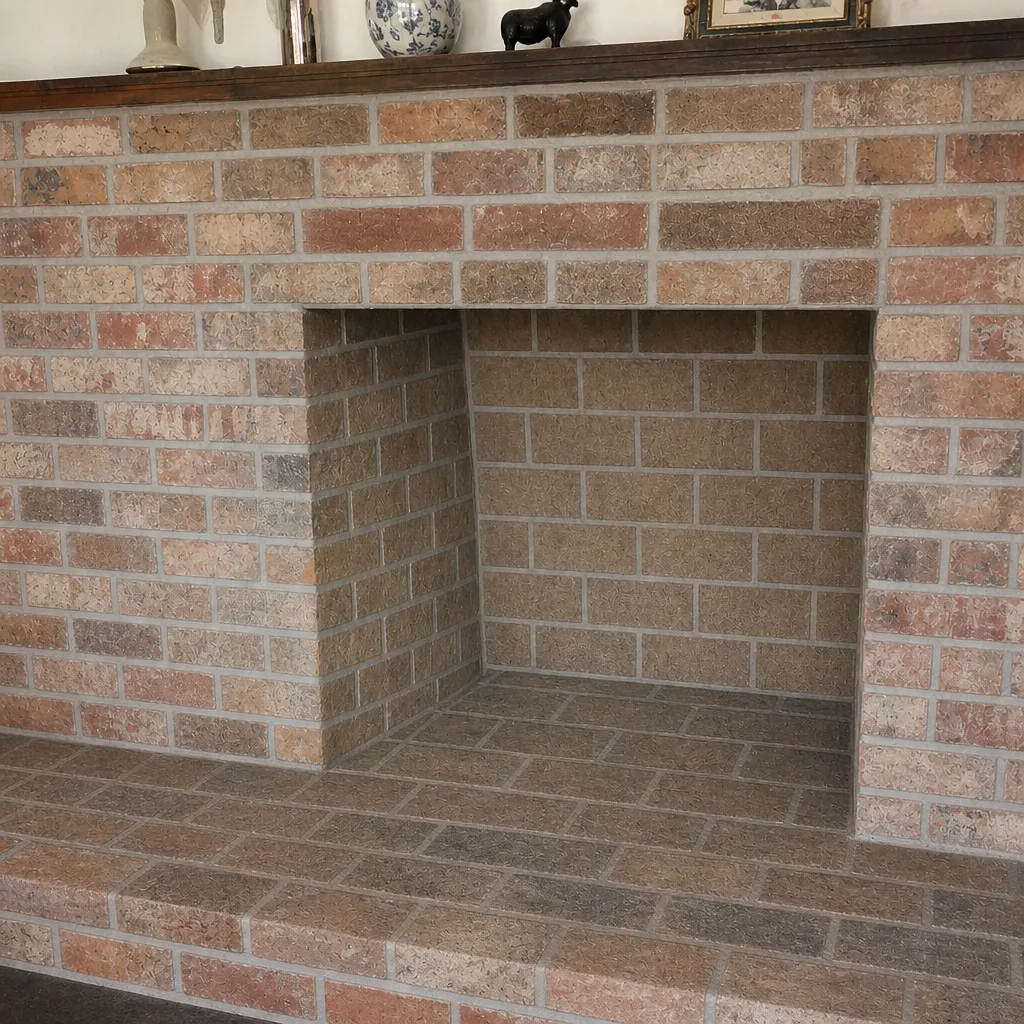
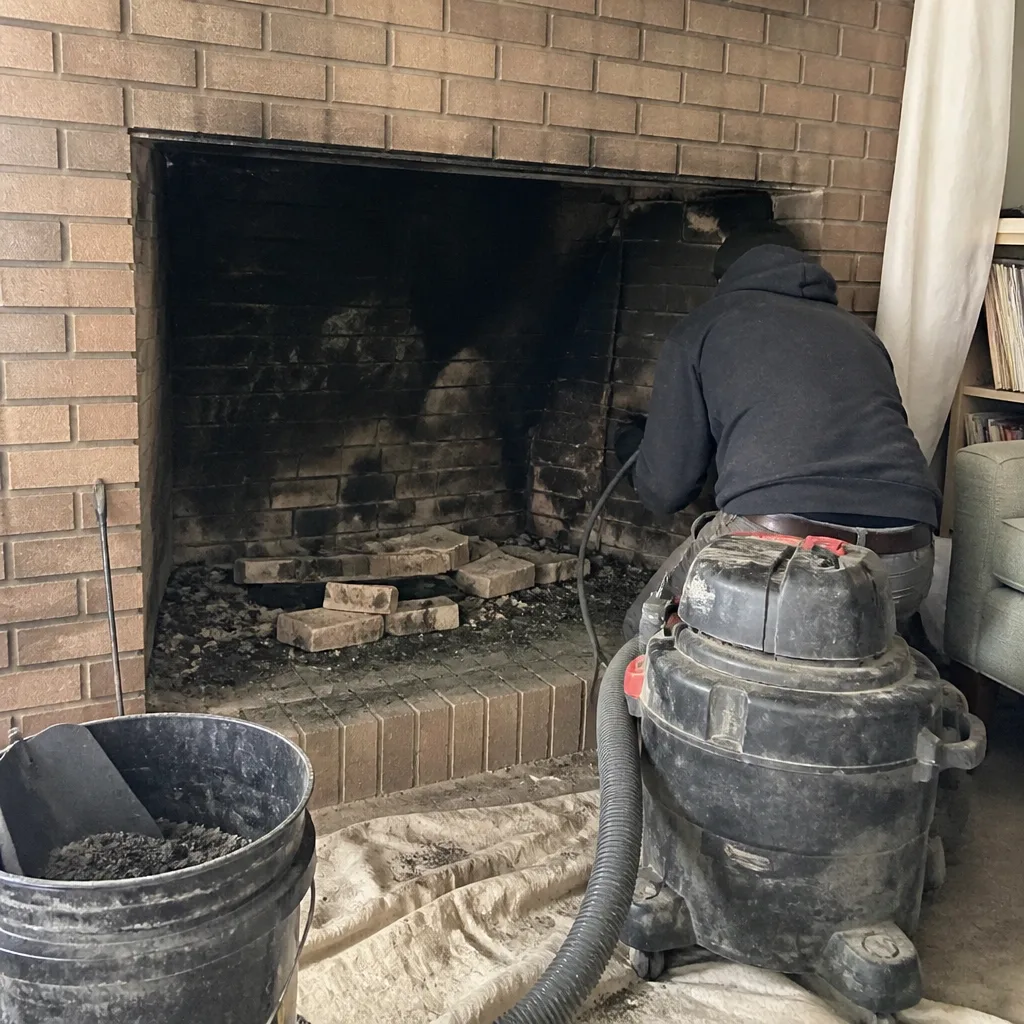
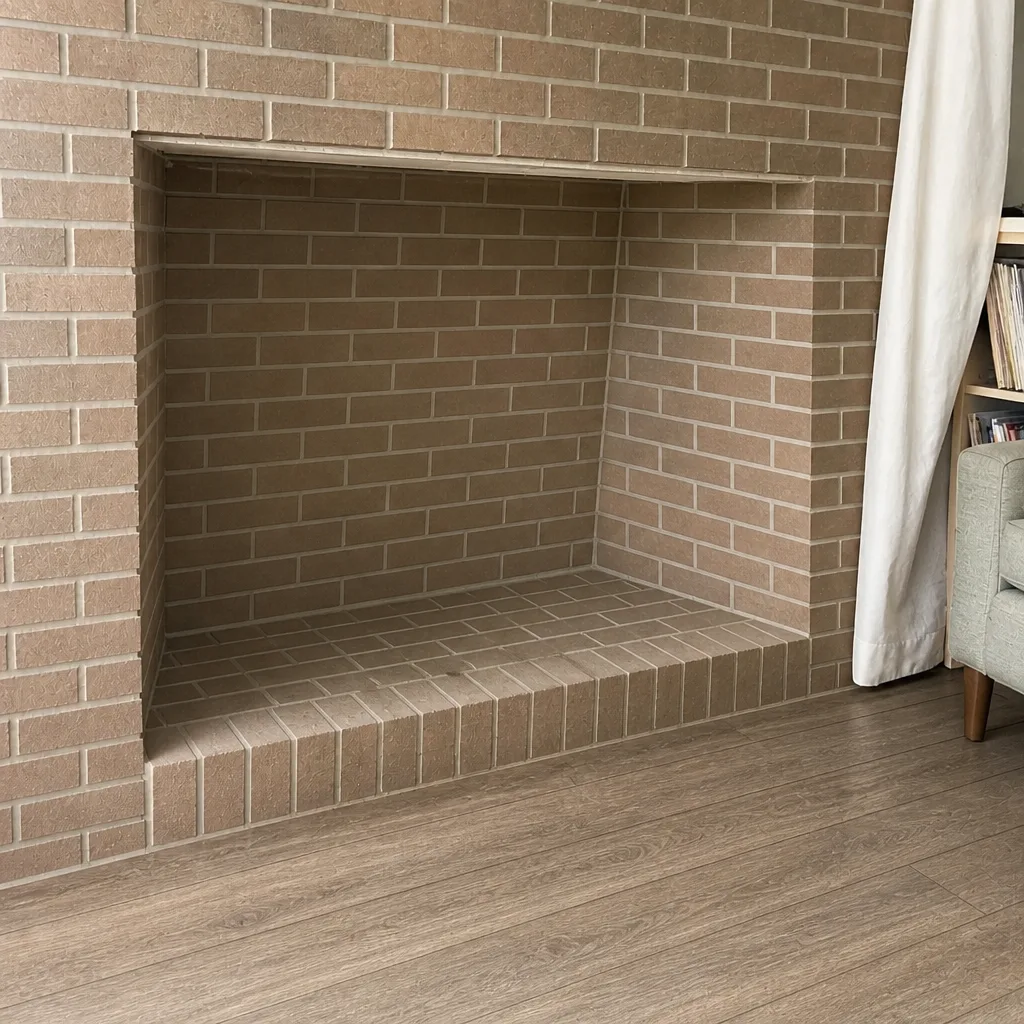
See the difference
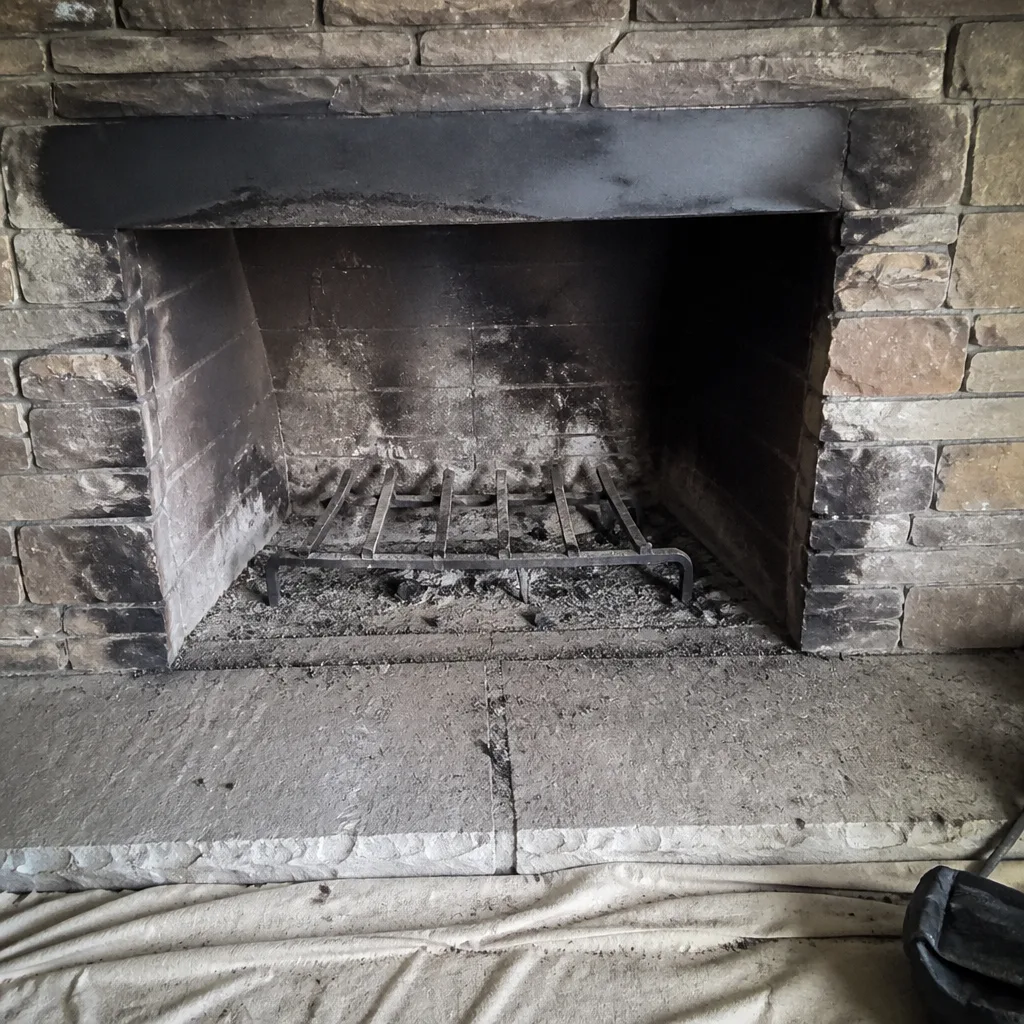 Before
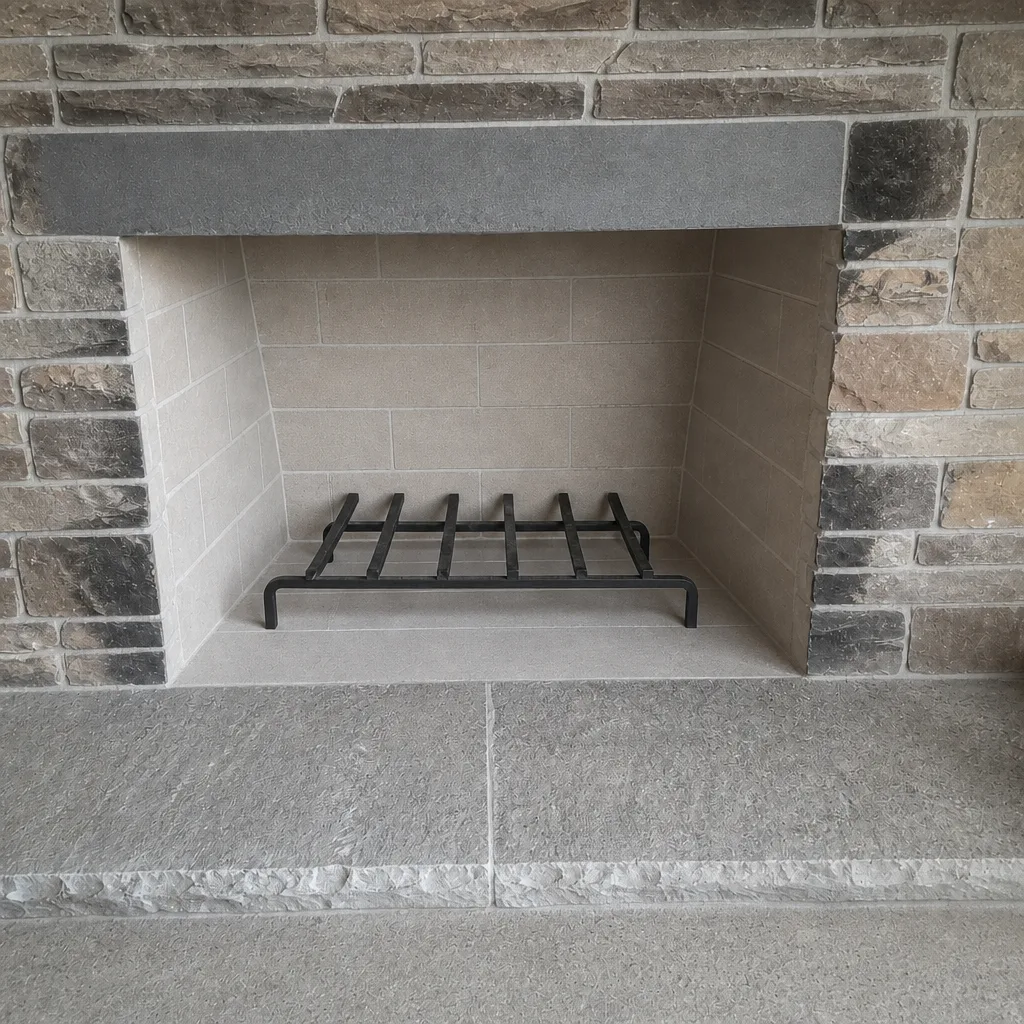 After
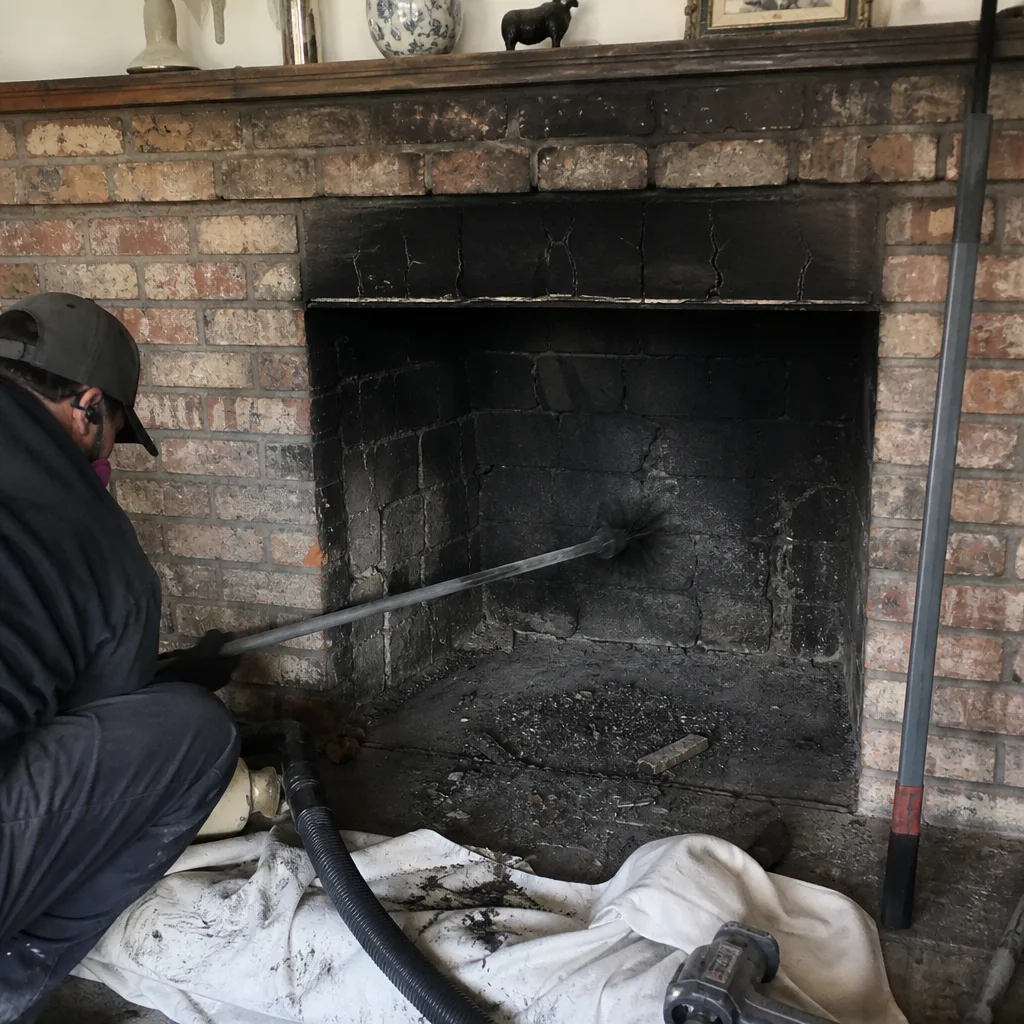 Before
 After
 Before
 After
Frequently Asked Questions
The clearest signs are a tarry or oily smell at the firebox, shiny glazed deposits on the firebox walls, draft problems, and any exterior clue like spalling brick or a white haze on the masonry. A dirty flue is usually invisible from the room, so if you’re unsure, an inspection with a camera is the reliable answer. Call (833) 497-1153 for a free estimate. Estimates are free.
It’s efflorescence, a salt crust pushed to the surface as water moves through the masonry. It means moisture is already traveling through the brick, which sets up spalling and mortar damage if it’s ignored. Have the chimney looked at before the next freeze. Call (833) 497-1153 to get it on the schedule.
Smoke rollout usually comes from negative pressure in the house, a cold flue, a restricted or blocked flue, or a wind and pressure problem tied to elevation and inversions. In Salt Lake City, inversion days are a common trigger for back-puffing. Whatever the cause, don’t keep burning until it’s sorted. Call (833) 497-1153 for a free estimate and inspection.
Not automatically. A liner needs replacing when it’s cracked, damaged, or can’t be cleaned and restored to a sound surface, and that’s a call an inspection makes with evidence you can see. Where relining is needed, we work with DuraFlex flexible liner systems, and heat-resistant resurfacing products like HeatShield can restore a damaged flue wall. Nothing is recommended without camera evidence. Call (833) 497-1153 to book an inspection.
Once a year is the standard starting point, and more often if you burn heavily or notice any of the warning signs in this guide. A flue that isn’t checked regularly is where small deposits become large ones. Get an inspection booked and let the photos tell you the real condition. Call (833) 497-1153.
Creosote keeps building inside the flue until it becomes the fuel for a chimney fire, and moisture keeps working at the masonry until the damage is structural. It rarely announces itself before it turns serious, which is why the invisible signs matter. The fix is a sweep and inspection on schedule. Call (833) 497-1153 for a free estimate in Salt Lake City.
The Bottom Line
The warning signs that prevent chimney fires are usually quiet, not dramatic. A musty smell, a shiny patch of glazed creosote, a white haze on the brick, a chimney that only misbehaves on windy or inversion days: these are the signals that show up in time to act. Read them, and use the three-tier framework here to decide whether it’s a cleaning call or a stop-using-it call. When in doubt, a camera inspection settles it with evidence you can see. Forge Chimney Cleaning works with trade-grade components from brands like DuraFlex and HeatShield because the flue is only as reliable as the materials and hands behind it. Call (833) 497-1153 for a free estimate. We answer 24/7. Fast dispatch from 7am to 7pm, Sunday through Friday.
Written by the team at Forge Chimney Cleaning.