
Last updated November 14, 2026
 Sweep & inspection
 Caps & crowns
 Flue relining
 Masonry repair
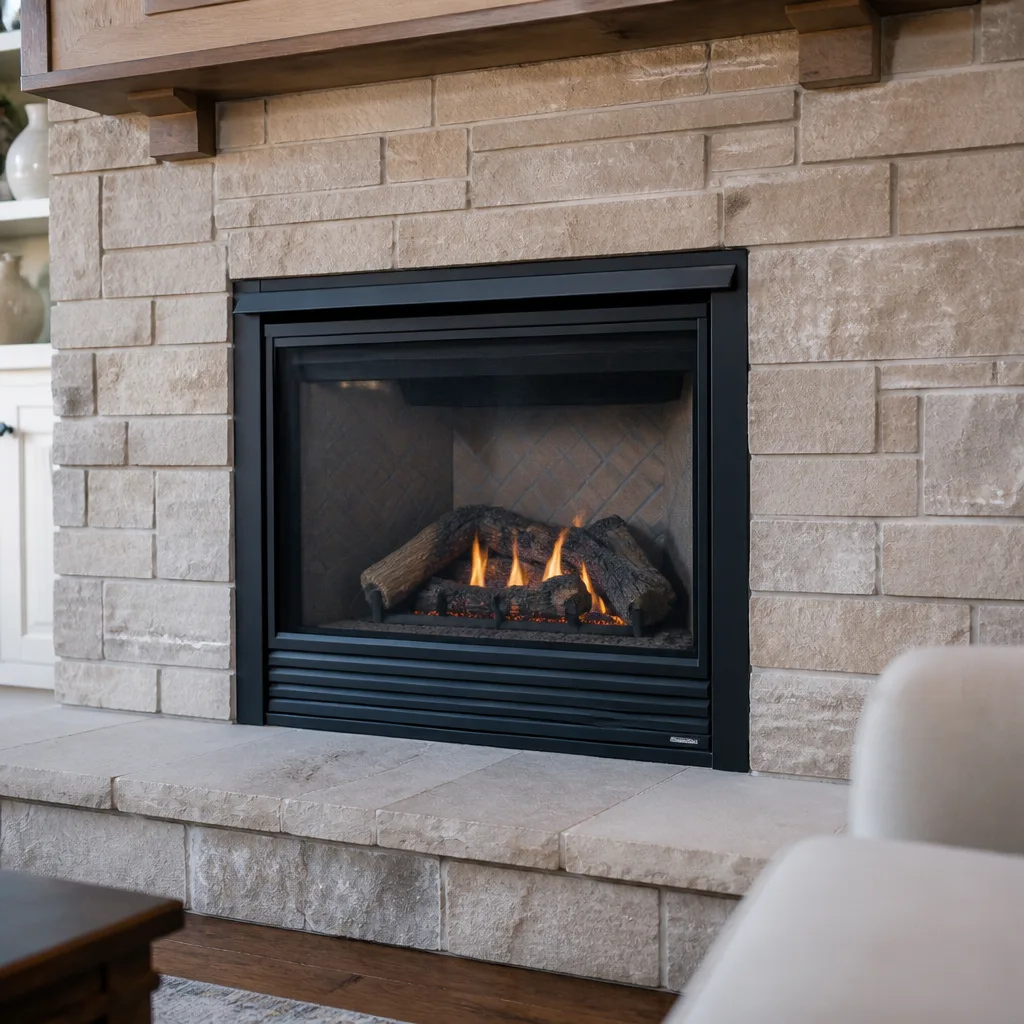 Gas fireplace service
Level 1 sweep and inspection to the NFPA 211 annual standard - flue, crown, cap, and flashing checked and photographed
Chimney sweep logs do not sweep chimneys. They loosen some creosote - which then falls where a brush and vacuum still have to collect it.
DIY vs Professional Chimney Cleaning: The Salt Lake City Homeowner’s Decision Guide
A brush kit and a free afternoon can clean a chimney. That’s true, and it’s worth saying plainly, because most chimney companies won’t admit it. A straight flue on a lightly used fireplace can be swept from the roof with a consumer rod-and-brush set, and if that’s all you need, you can do it. But brushing soot off the flue walls is the smallest part of what a real inspection covers. The brush can’t tell you whether the clay tiles behind it are cracked, whether the creosote has reached a stage that ignites at lower temperatures, or whether the fireplace is drafting properly. In Salt Lake City, where wood stoves and inserts run hard through winter inversions, those are the questions that decide whether your chimney is safe to light. This guide walks through what DIY can honestly accomplish, where it hits a hard ceiling, and how to make the call for your own house.
Quick Answer
DIY chimney cleaning is appropriate only when you have a straight, easily accessed flue, light soot buildup from occasional fires, and a professional inspection on record from the last year or two. For anything involving heavy creosote, a wood-burning insert, an older clay-tile liner, a smoke chamber, or a flue you’ve never had looked at, professional cleaning is the right call. The reason isn’t that homeowners can’t hold a brush. It’s that a brush can’t evaluate the parts of the system where fires actually start.
Styles & brands we work with
- Sweep & inspection
- Caps & crowns
- Flue relining
- Masonry repair
- Gas fireplace service
Table of Contents
- What DIY Chimney Cleaning Can Legitimately Accomplish
- What DIY Physically Cannot Do
- Why Salt Lake City Homes Lean Toward Professional Service
- The Tool Gap: Consumer Brushes vs. Rotary Systems
- A Decision Matrix for Your Fireplace
- What Each Path Costs in Salt Lake City
- If You Clean It Yourself: A Safe Process
- Common Mistakes to Avoid
What DIY Chimney Cleaning Can Legitimately Accomplish
A homeowner with the right tools can remove loose, powdery soot from the flue walls, and that is a real result, not a token one. If your fireplace gets a few fires a week through the cold months and the flue is straight with a clean top-to-bottom run, a brush kit does honest work. The conditions that make DIY appropriate are more specific than most people assume, though. Here’s what has to line up before it makes sense:
- The flue is straight and vertical with no offsets, and you can reach the full run from the roof or through a cleanout without disassembling anything.
- Buildup is light and dry – powdery soot and thin flaky deposits, not tar-like or glazed material on the walls.
- The fireplace is open-front wood-burning, not an insert, not a gas unit, not a stove with a baffle you’d have to move.
- The chimney has been professionally inspected recently, so you know the liner condition and you’re only maintaining it between inspections.
- You have the right brush for the flue material – polypropylene for clay tile, never a metal brush that scores the liner.
- You’re comfortable on a roof and can work safely at height with the right ladder setup and fall protection.
If every one of those is true, DIY maintenance between professional visits is reasonable. That’s the honest boundary. The moment any one of those conditions fails, cleaning the chimney yourself stops being maintenance and starts being guesswork. The brush still takes soot off. It just no longer tells you anything about whether the chimney is safe to light.
What DIY Physically Cannot Do
A consumer brush kit removes soot. It does not inspect, diagnose, or evaluate, and those are the functions that actually protect a home. Here’s what a brush alone cannot see or judge, no matter how carefully you use it:
- Liner cracks and gaps. Clay tile liners develop hairline cracks from heat cycling, and the joints between tiles can fail. From the top, a cracked tile looks almost identical to a sound one. You need a camera to see the interior surface of the full run.
- Stage-two and stage-three creosote. Stage-one creosote is flaky and brushes off easily. Stage two is crusty and harder to remove, and stage three is glazed and hardened onto the flue wall. Glazed creosote ignites at lower temperatures than the wood you burn, and it does not come off with a consumer brush. Recognizing it is a trained eye and a rotary tool job.
- Combustion air and draft ratios. A chimney works because heated exhaust rises and pulls air in behind it. If the flue is undersized for the firebox, or the house is tightly sealed, the fireplace can draft poorly and spill smoke into the room. That’s a measurement problem, not a cleaning problem.
- The smoke chamber and connector sections. The smoke chamber above the damper and the connector pipe on a stove are where creosote accumulates in tight corners a brush can’t reach. These sections need a camera and often a specialized tool.
- The firebox and damper. Mortar joints in the firebox degrade over time, and a damaged damper can fail open or closed. Both are visible on inspection and invisible on a routine brush.
None of this means a homeowner is careless. It means the tool determines the outcome. A brush does a brush’s job, and that’s the entire job it does. An annual sweep in Salt Lake City, done properly, bundles cleaning with a camera inspection and a condition report, which is exactly the part a brush kit leaves out.
Why Salt Lake City Homes Lean Toward Professional Service
Chimney demand in Salt Lake City is shaped by the valley’s winter air quality rules and the housing stock, and both push more homes toward professional service than you’d find in a milder climate with newer construction. When winter inversions settle over the valley, wood burning is often restricted on no-burn days, and a lot of homes respond by burning harder on the days burning is allowed. That creates an on-again, off-again burn pattern that can produce more creosote than steady, moderate use.
The second factor is the age and construction of the housing. Plenty of midcentury homes around the city were built with clay-tile liners set into masonry chimneys, and those liners are now decades into their service life. Clay tile is durable, but it cracks under repeated heating and cooling cycles, and cracks let heat and gases reach the surrounding masonry. In an older home, that makes the inspection part of a sweep more important than the cleaning part, because the cleaning is easy and the diagnosis is the whole point.
Third are wood-burning inserts. An insert changes the flue requirements for the fireplace, and many were installed without a properly sized stainless liner. Getting the draft right on an insert is not a brushing task; it’s a measurement and sizing question that needs a trained eye. If your Salt Lake City home has an insert, a wood stove, or a clay-tile flue you’ve never had inspected, professional service is the right starting point. If you’ve got a modern, straight, lightly used open fireplace with a recent inspection, DIY maintenance between visits is reasonable and we won’t tell you otherwise. Our chimney sweep service is built around the camera inspection and condition report, not just the brushing.
The Tool Gap: Consumer Brushes vs. Rotary Systems
The difference between a $40 consumer kit and professional equipment is more than power. It’s the difference between removing what’s reachable and removing what’s there. A consumer rod-and-brush set is flexible, light, and designed for occasional use on a straight flue. A pro rotary system turns a spinning head that scrubs the full circumference of the flue wall, which is how hardened stage-two deposits actually come off. And the tooling doesn’t stop at the brush head. Here’s what a professional setup adds:
- Rotary cleaning heads sized to the flue. A brush has to match the flue diameter, and a spinning head with the right whip or chains scrubs the surface instead of just passing over it.
- A chimney camera with a light. This is the difference between a cleaning and a diagnostic. The camera runs the full height of the flue and shows up on screen what the brush and the eye can’t reach.
- A photo report. Documentation of condition means you’re not relying on someone’s verbal impression of your liner. You can see it for yourself.
- Trade-grade materials for repair. When the inspection finds a problem, the fix needs products specified for chimneys, not hardware-store patchwork. We work with DuraFlex flexible liner systems for relining and HeatShield for resurfacing, plus Copperfield and Gelco components where the job calls for them. These are trade materials you can’t buy off a shelf at a big-box store, and the difference shows up in how long the repair lasts.
- The skill to read what the camera shows. A rotary head and a camera are only as good as the judgment behind them. Recognizing the difference between a liner that’s fine, one that needs resurfacing, and one that needs replacement is where a trained technician earns the fee.
That tool and judgment combination is what separates a Forge Chimney Cleaning visit from a DIY afternoon. The brush you have at home is fine for what it does. The rotary head, the camera, and the materials are what do the rest of it.
A Decision Matrix for Your Fireplace
Here’s the straightforward way to decide. Read through the four inputs below and score your own situation. If any input lands in the “professional” column, that’s your answer, and it’s not a close call.
- Fireplace type. Open-front wood-burning fireplace with a straight, accessible flue: DIY maintenance is possible between inspections. Wood-burning insert, wood stove, gas insert, or a fireplace with an offset flue: professional service every time.
- Last professional service date. If a camera inspection happened in the last year or two and the liner was sound, DIY maintenance between visits is reasonable. If you don’t know when it was last inspected, or it’s been several years, professional service first.
- Burn frequency. A few fires a week through the cold months with light soot: DIY maintenance is plausible if the other boxes check out. Daily burning, extended burn seasons, or the no-burn-day pattern that pushes harder burning on allowed days: professional service.
- Visible condition. Powdery dry soot and a clean firebox: DIY maintenance is plausible. Glazed or tar-like deposits, cracked tiles, rust on the damper, smoke staining around the opening, or smoke rolling into the room: professional service, and don’t light another fire until it’s inspected.
If all four inputs land in the DIY-appropriate column, you’re in the clear to maintain between visits. If one or more land in the professional column, the honest call is to schedule a sweep before you burn again. The matrix isn’t there to talk you out of DIY. It’s there so the decision isn’t a guess. Our team has up to 15 years of experience with these conversations, and the answer changes from house to house in ways a generic rule of thumb never captures.
What Each Path Costs in Salt Lake City
The DIY route looks cheaper at the start, and for a genuinely simple flue on a well-documented system, it can be. But the comparison only holds if you factor in the inspection you still need on top of the DIY cleaning, because that’s the piece the brush kit doesn’t cover. Here’s the honest breakdown:
- Consumer brush kit: modest one-time cost, but only worth buying if your flue fits the narrow DIY-appropriate profile above.
- Professional sweep with camera inspection and photo report: priced per job by written estimate, set before the work begins. A sweep alone is only half the value; the inspection and report are the other half.
- Repair, if the inspection finds a problem: priced per job by written estimate, and only recommended when the camera shows evidence that justifies it. We don’t recommend work you can’t see on the report.
- The cost of a skipped inspection: if a liner crack goes unnoticed, the fireplace becomes a hazard to use, and the fix afterward is a relining job rather than a sweep.
We won’t give you a number that wasn’t set by an inspection, because the range on a simple sweep and the range on a reline are not the same conversation. What we will tell you is that a written estimate sets the price, and it’s set per job so the number reflects your chimney, not a flat rate. Call (833) 497-1153 for a free estimate. We answer 24/7. Fast dispatch from 7am to 7pm, Sunday through Friday.
If You Clean It Yourself: A Safe Process
If the matrix says DIY between visits, the process to follow is below. Read the safety note first, because it’s the part that matters most. The safety caveats here aren’t boilerplate. Chimneys are genuinely dangerous to work on when the conditions aren’t right, and the dangers are height, confined space, and the firebox itself.
Safety first: Never clean a chimney while a fire is lit or while embers could still be hot in the firebox. Use fall protection and a stable ladder setup for roof access, and don’t work on a wet, icy, or steep roof. Wear eye protection, gloves, and a proper dust mask; soot and creosote are respiratory irritants. If at any point you’re unsure about the flue’s condition or the safety of your setup, stop and call a trained professional. No cleaning job is worth a fall or a fire.
- Clear the firebox of ash and unburned wood, and confirm the damper is open before you start.
- Lay drop cloths around the hearth and seal the fireplace opening with plastic and tape to contain soot dust in the room.
- Set up safe roof access with the correct ladder angle and fall protection, and have someone at the base if you can.
- Size the brush to the flue and use a polypropylene brush on clay tile. Run it from the top down, working the full height of the flue with a steady scrubbing motion.
- Clean the smoke shelf and damper area from the firebox side with a hand brush, reaching what you can see and reach.
- Vacuum the firebox with a shop vacuum rated for fine ash, and inspect what you can see for cracks, rust, or staining.
- Log the date and your observations, and schedule a professional inspection to cover what your eyes and brush can’t see.
That last step is the one that keeps DIY in the “maintenance” column instead of the “guesswork” column. The cleaning is a maintenance task. The inspection is a professional one, and it’s the part that actually tells you your Salt Lake City chimney is safe to use.
How Often Should You Do Either in Salt Lake City?
The standard answer is once a year, and for Salt Lake City’s burn pattern, once a year is the right baseline for households that burn fireplaces through the cold months. Fires burn more days here than the average household, because the cold season is long and the firebox gets used hard when burning is allowed. If you burn daily through winter, that annual sweep and inspection is a non-negotiable, and if you have a wood stove or insert, it’s the same. Between those annual visits, DIY maintenance of a lightly used open fireplace is fine. The yearly professional visit is where the diagnosis happens, and it needs to keep happening even if you clean between it. If you burn only occasionally and the flue is straight and modern, an annual sweep with inspection still applies, because the risk isn’t only buildup; it’s what the inspection might find that you can’t.
Dryer Vent Cleaning: The Other Fire Hazard You’re Probably Ignoring
A lot of people think of chimney cleaning as the only duct in the house that matters, and that’s not quite right. A clogged dryer vent is one of the most common household fire hazards, and it works the same way a chimney does: lint accumulates, airflow drops, and heat builds. If you’re going through the trouble of caring for your chimney, the dryer vent deserves the same attention. We handle both in the same visit, which is the practical way to cover two overlooked hazards without scheduling two separate jobs. Our dryer vent cleaning service uses the same professional tools and documentation standard as the chimney side, because the two problems look different but the principle is identical: if you can’t see what’s inside, you don’t know what’s there.
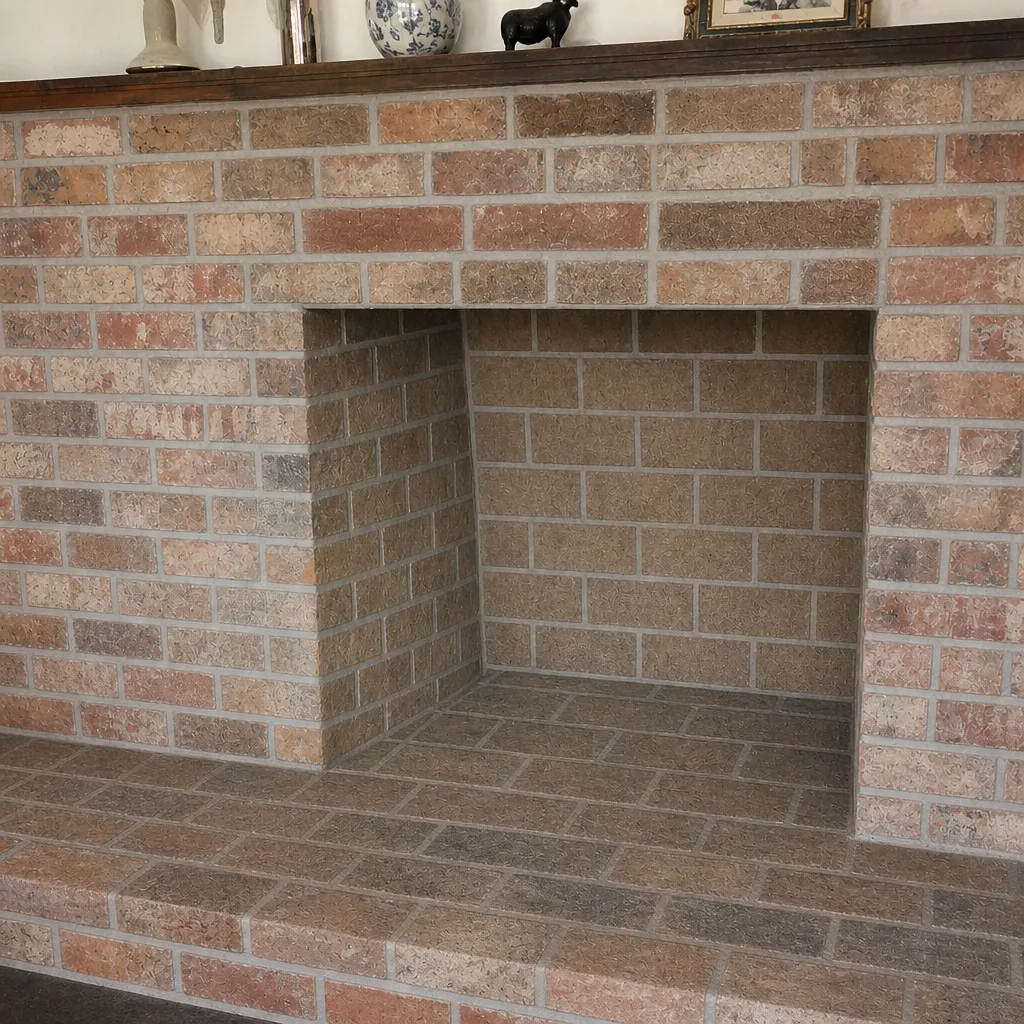
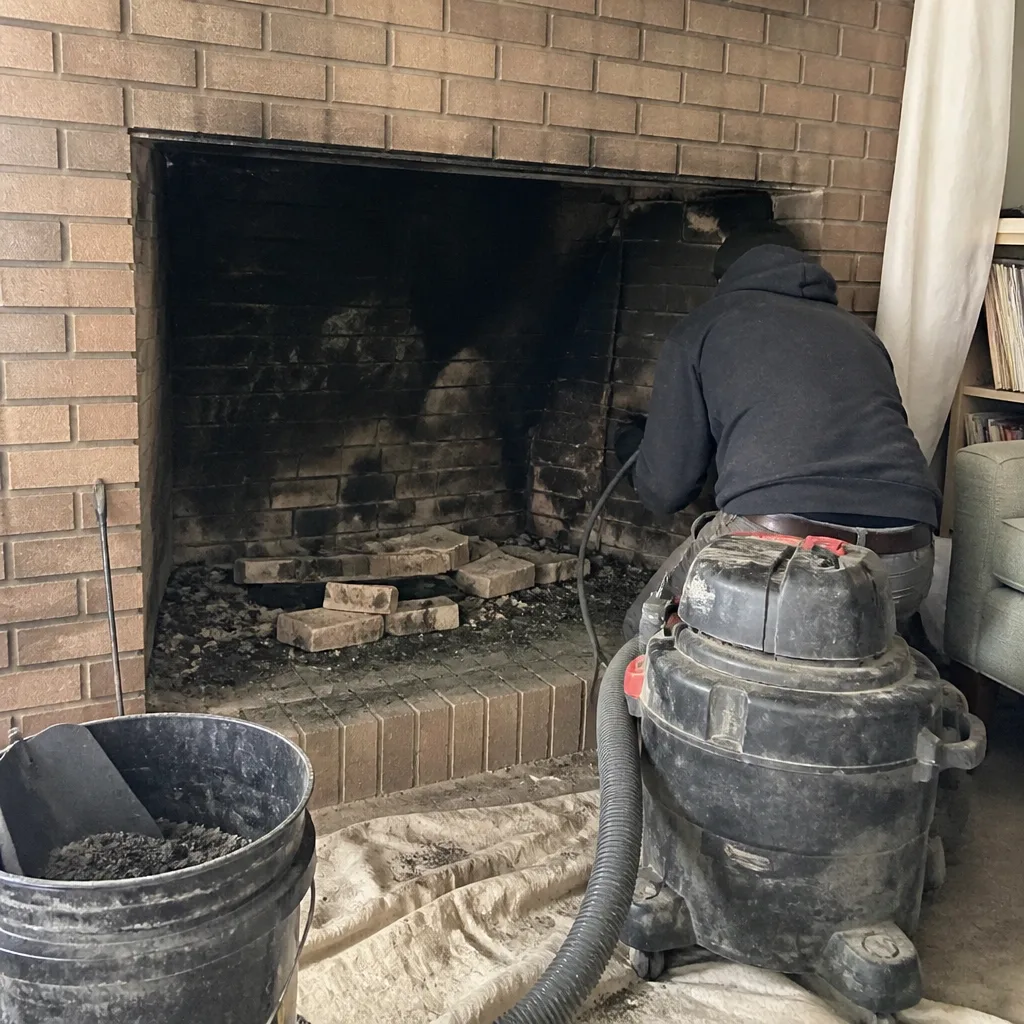
See the difference
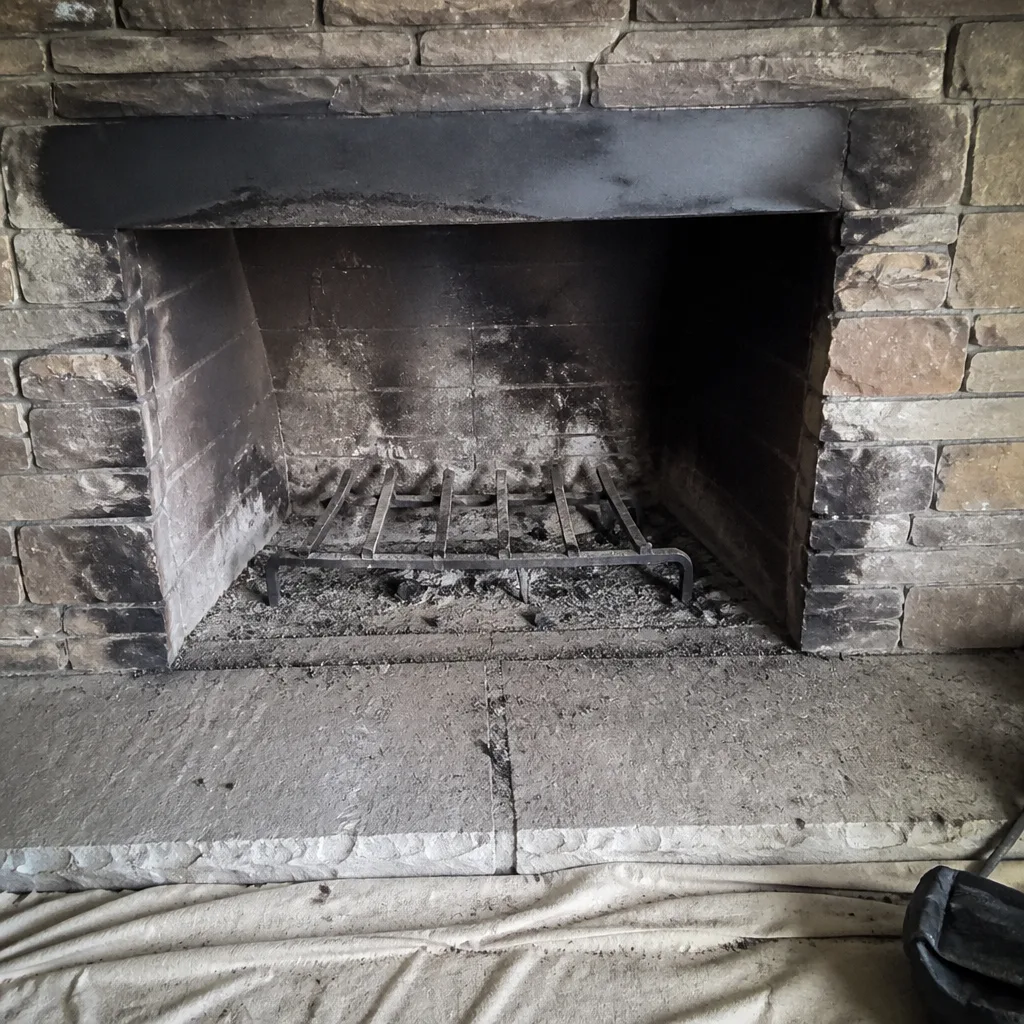 Before
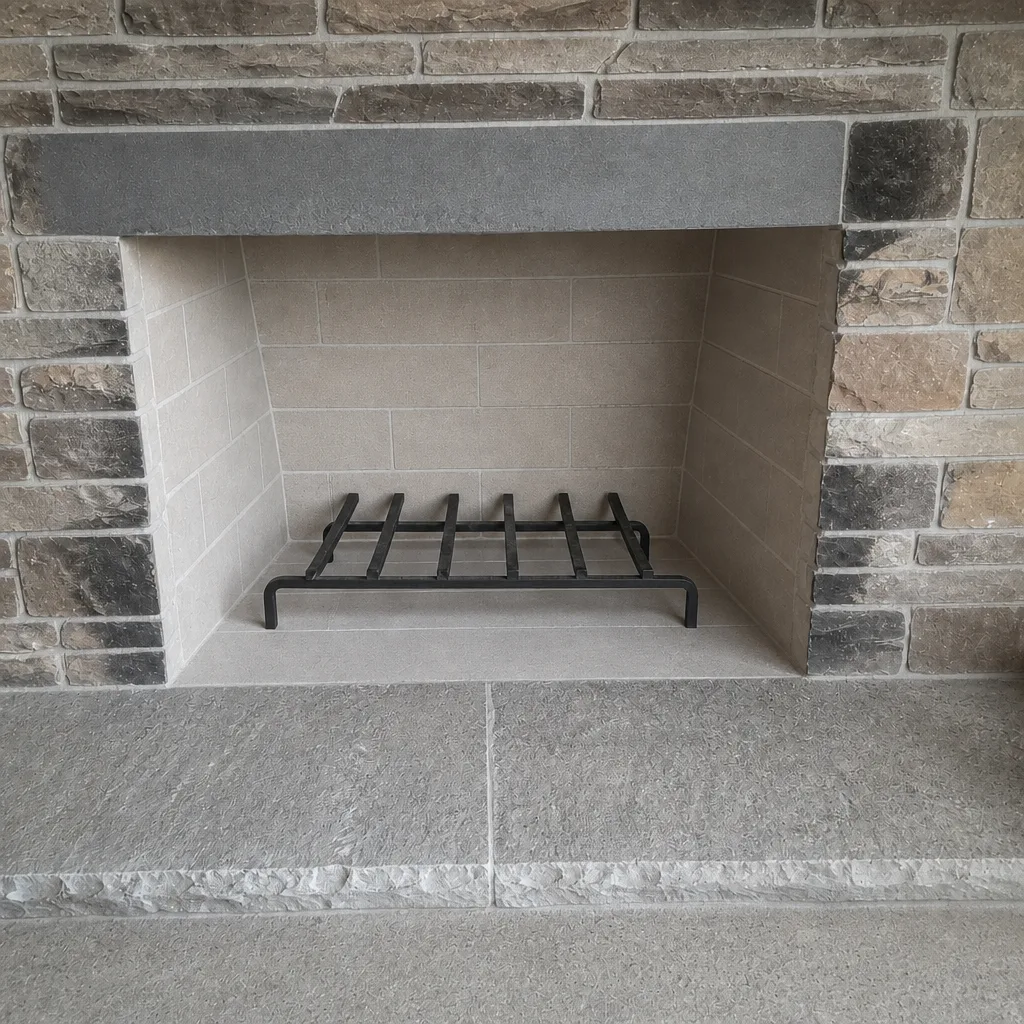 After
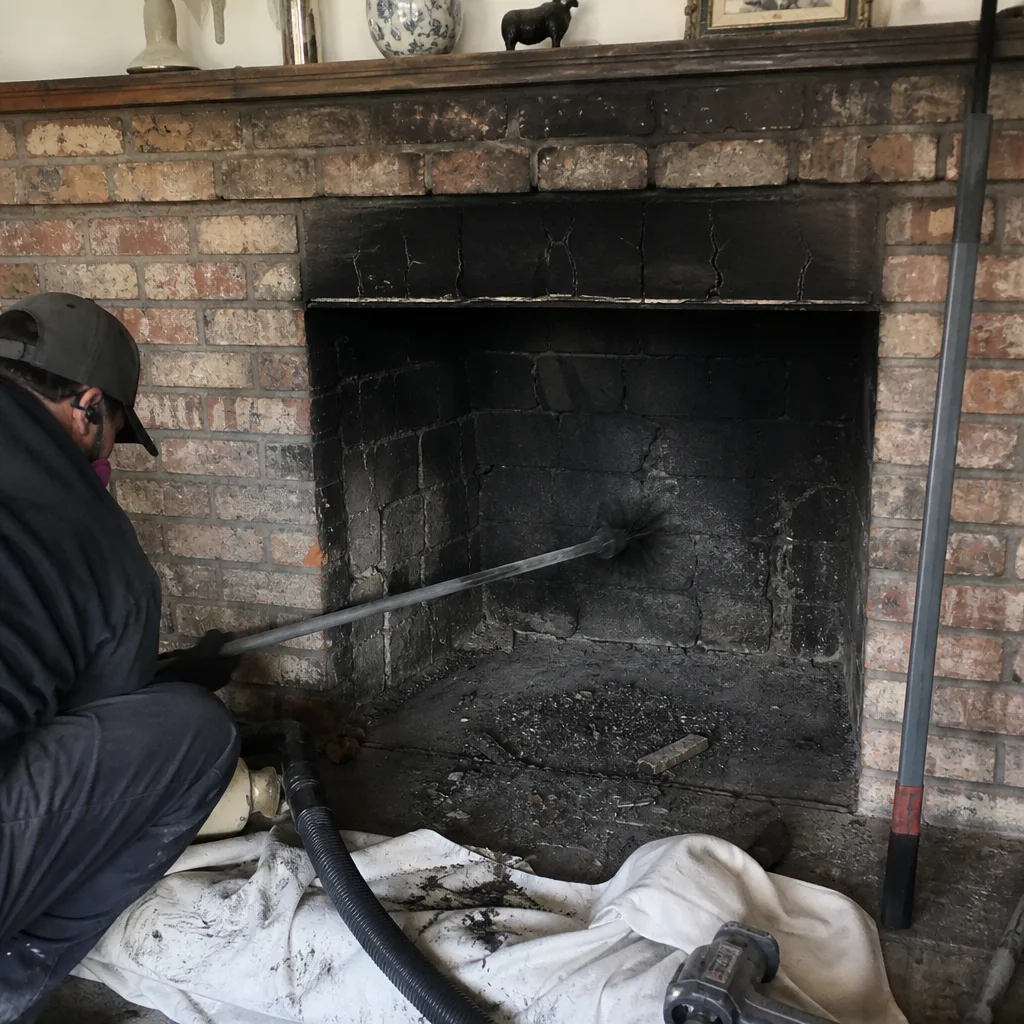 Before
 After
 Before
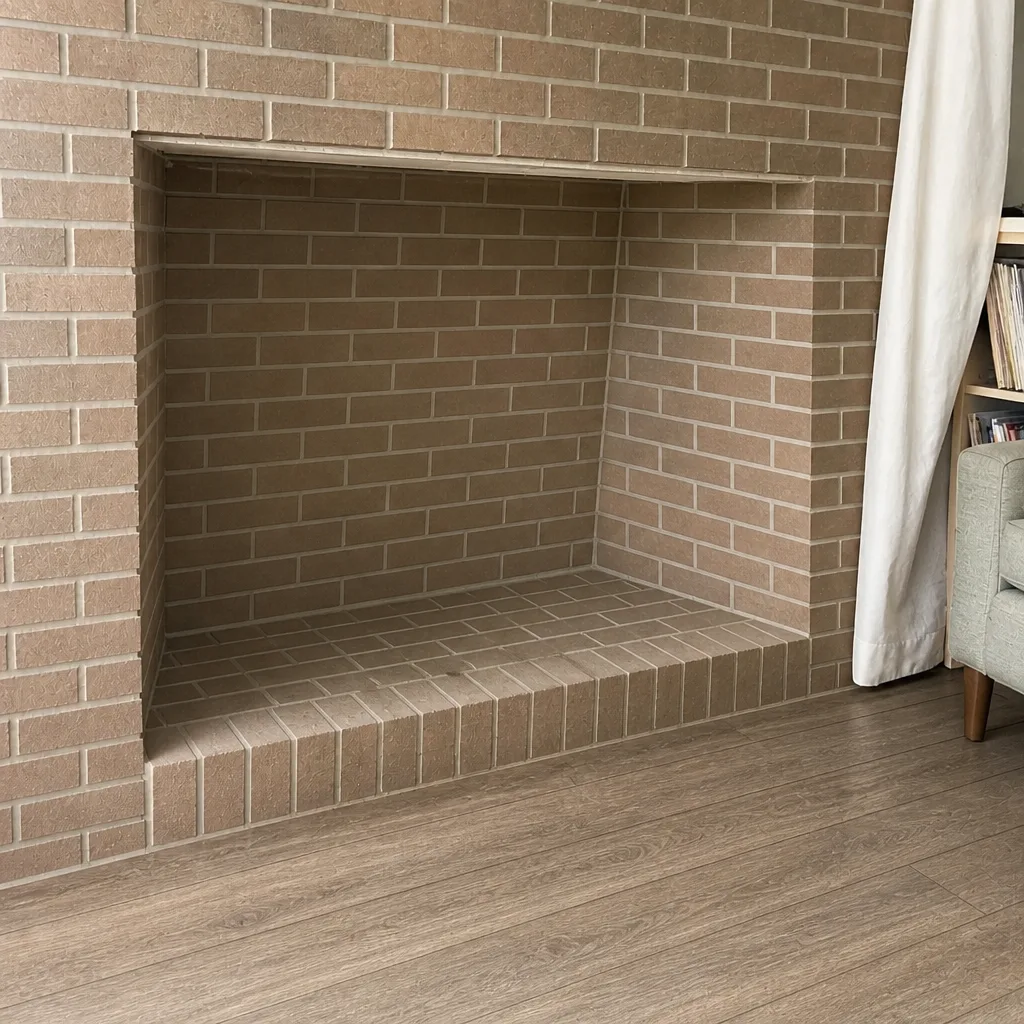 After
Common Mistakes to Avoid
- Brushing a flue you’ve never had inspected. The brush tells you nothing about the liner, so cleaning without a baseline inspection is the one mistake that makes the rest of the work meaningless.
- Using a metal brush on a clay-tile liner. A stiff wire brush scores the tile surface and accelerates wear, which is the opposite of what a liner needs. Match the brush to the material.
- Mistaking stage-one creosote for the worst case. Dry soot brushing off easily can lull you into thinking the whole flue is clean, when hardened stage-two or glazed material may be sitting higher up out of sight.
- Cleaning a wood-burning insert like an open fireplace. Inserts need the baffle and flue handled differently, and brushing without that knowledge can leave the worst deposits in place.
- Skipping the annual inspection because you cleaned it yourself. DIY cleaning is maintenance between professional visits. It doesn’t substitute for the annual inspection, and treating it as a replacement is where problems hide.
- Working on a roof without fall protection. In Salt Lake City winters, a wet, icy, or steep roof makes roof access dangerous fast. If the setup isn’t safe, don’t do the job; schedule a sweep.
- Ignoring smoke stain or spillage. Smoke rolling into the room or staining around the opening is a draft or pressure problem, not a soot problem, and no amount of brushing fixes it.
When to Call a Professional
Call a professional when the decision matrix has any input in the professional column, and call promptly. That means an insert or stove, a clay-tile liner you’ve never had inspected, visible glazed or tar-like creosote, smoke staining or spillage, a firebox with degraded mortar, or a burn frequency that runs daily through the season. Also call if you’ve cleaned the flue yourself and you’re unsure what you’re seeing. The inspection and photo report exist so you don’t have to take anyone’s word for it, including ours. Nothing gets recommended without camera evidence you can see for yourself, and if the work can safely wait, we’ll tell you that too. Forge Chimney Cleaning offers free estimates in Salt Lake City – call (833) 497-1153. We answer 24/7. Fast dispatch from 7am to 7pm, Sunday through Friday.
Frequently Asked Questions
A chimney sweep in Salt Lake City is priced per job by written estimate, and the estimate is set before work begins so the number reflects your chimney rather than a flat rate. The sweep includes a camera inspection and a photo report of condition, so the price covers diagnosis as well as cleaning. Call (833) 497-1153 for an exact quote – estimates are free.
You need a new liner only when the camera shows evidence that justifies it, and you should ask to see that evidence on the photo report before agreeing to anything. A sound clay-tile flue doesn’t need relining. A cracked or deteriorating liner does, and the fix is a professional-grade relining system like DuraFlex, not a hardware-store patch. If the report shows a sound liner, the honest answer is that it can wait or doesn’t need replacing. Call (833) 497-1153 and ask to see the report.
Chimneys should be swept and inspected once a year for households that burn through the cold months. In Salt Lake City, where the burn season is long and burning is often concentrated on allowed days during inversions, that annual visit is the right baseline. DIY maintenance between annual sweeps is fine for a simple, well-documented flue. Call (833) 497-1153 to get on the schedule before burning season.
Skipping the annual sweep and inspection means the creosote keeps building and the liner goes unchecked, and a cracked liner or a stage-two deposit is the kind of problem that turns a routine cleaning into a repair. The risk isn’t only an obstruction; it’s an unnoticed defect that makes the next fire dangerous. It’s cheaper to inspect once a year than to address what a skipped year leaves behind. Call (833) 497-1153 to schedule an inspection.
No, a wood-burning insert should be serviced professionally. The baffle and flue on an insert need to be handled by a trained technician, and the draft and combustion air setup has to be measured rather than guessed. Brushing an insert like an open fireplace can leave the worst deposits in place. Our Salt Lake City team handles insert service with the camera and tooling it requires. Call (833) 497-1153 for an estimate.
Look for a chimney professional who includes a camera inspection and photo report in the sweep, specifies trade-grade materials rather than off-the-shelf parts, and puts the price in a written estimate before work begins. Ask whether the company repairs and relines as well as cleans, because a sweep-only outfit will hand off a liner problem to someone else. We specify DuraFlex, HeatShield, Copperfield, and Gelco because the trade relies on them, and the report you receive shows why. Call (833) 497-1153 to book.
The Bottom Line
DIY chimney cleaning has an honest ceiling. It can remove loose soot from a straight, well-documented, lightly used open fireplace, and for that narrow case, it’s fine between annual professional visits. What it cannot do is tell you anything about liner integrity, creosote stage, combustion air, or the smoke chamber, and those are the parts of a chimney where fires start. In Salt Lake City’s older clay-tile flues and its insert-heavy housing stock, that ceiling arrives earlier than most homeowners expect. If you’re sure your situation fits the narrow DIY profile, maintain between visits. If not, save yourself the guesswork. Our technicians have up to 15 years of experience, and we’ll show you what the camera sees. Call (833) 497-1153 for a free estimate.
Written by the team at Forge Chimney Cleaning.