
Last updated November 14, 2026
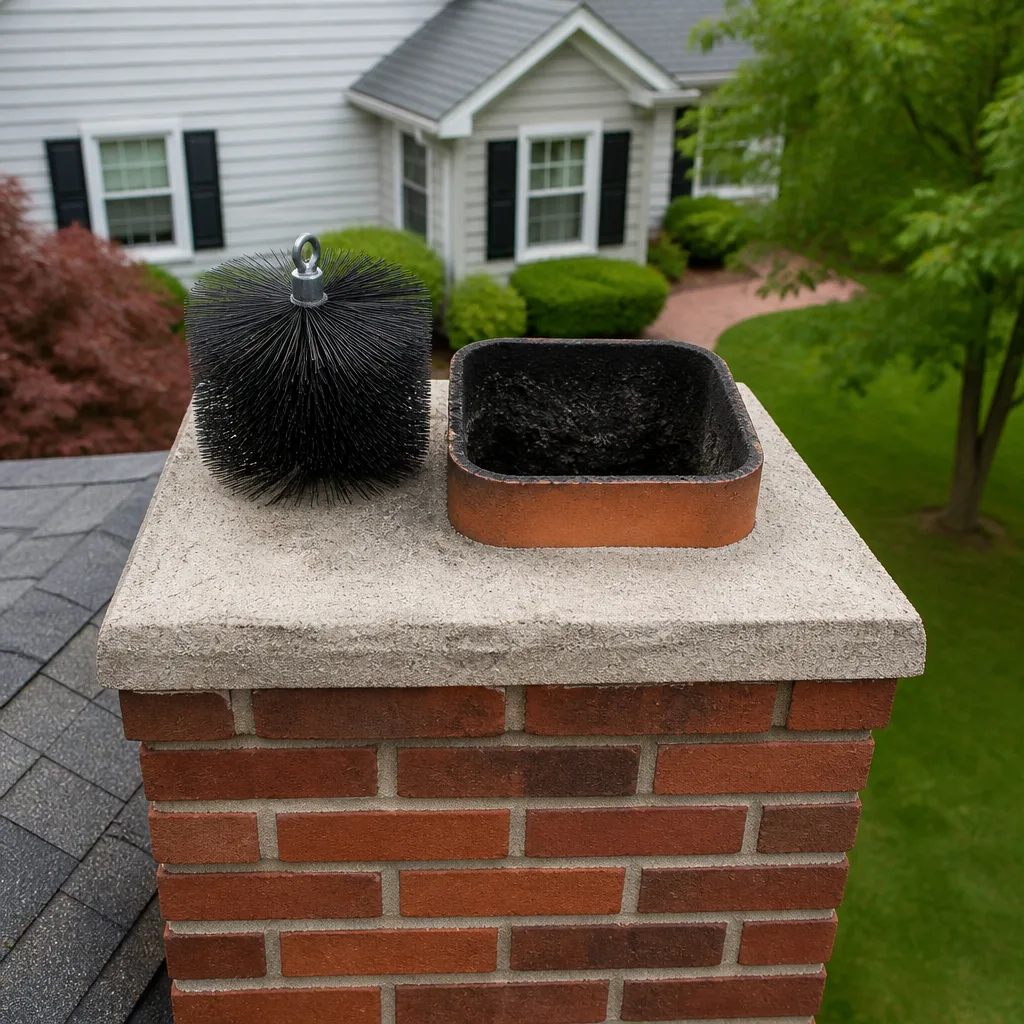 Sweep & inspection
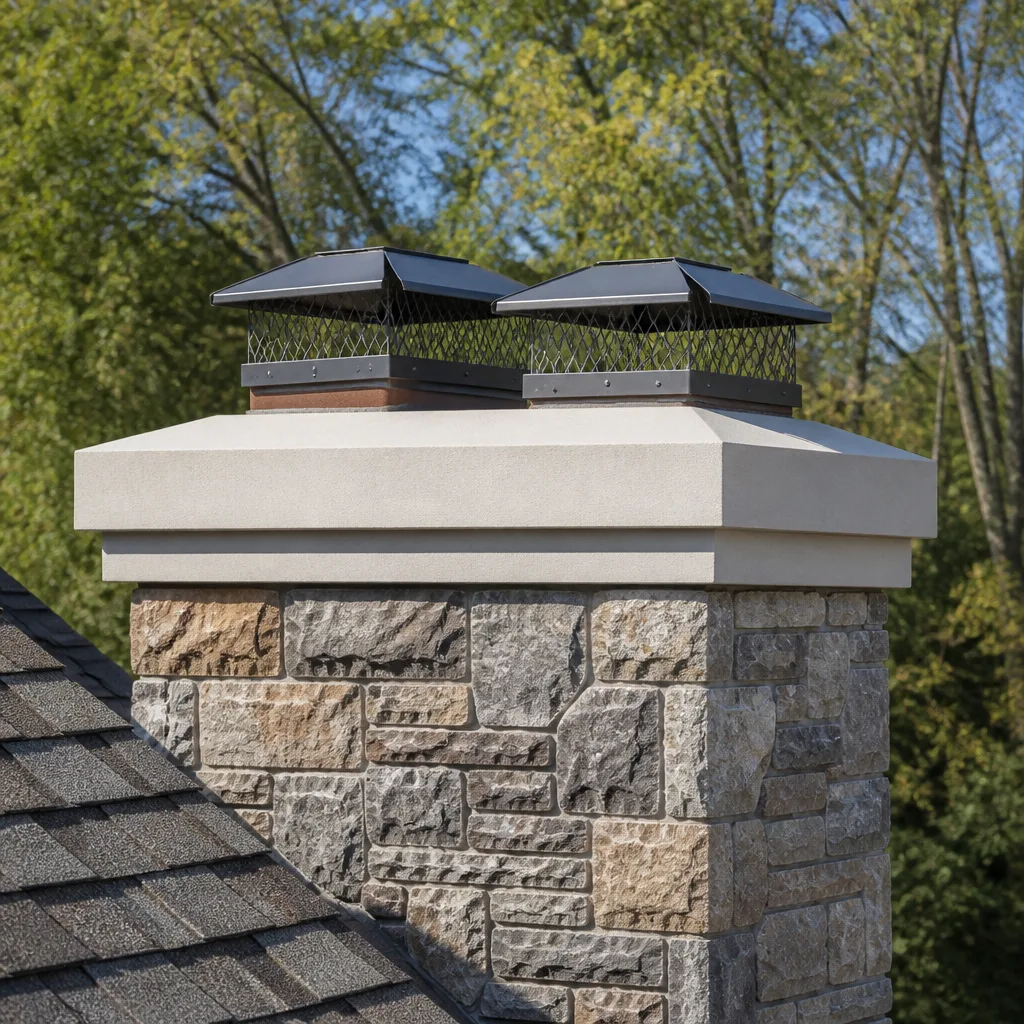 Caps & crowns
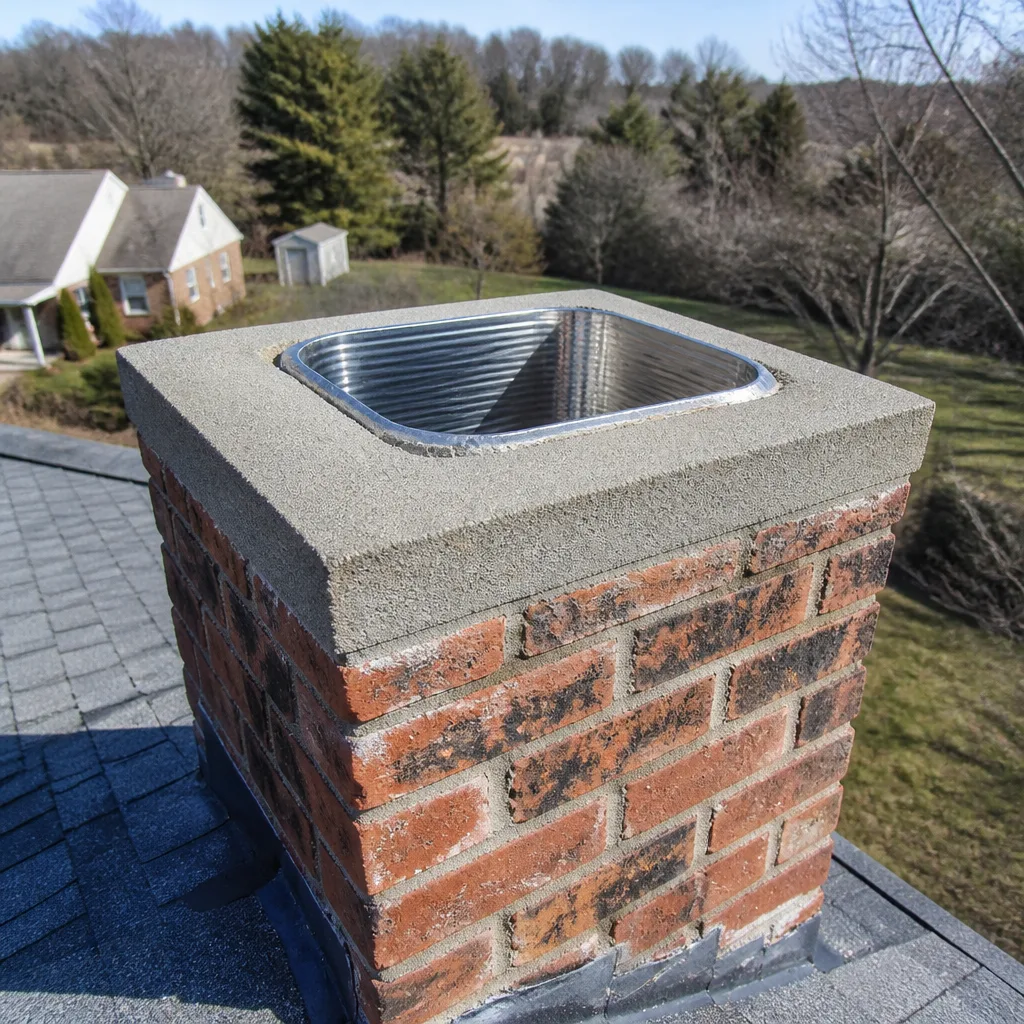 Flue relining
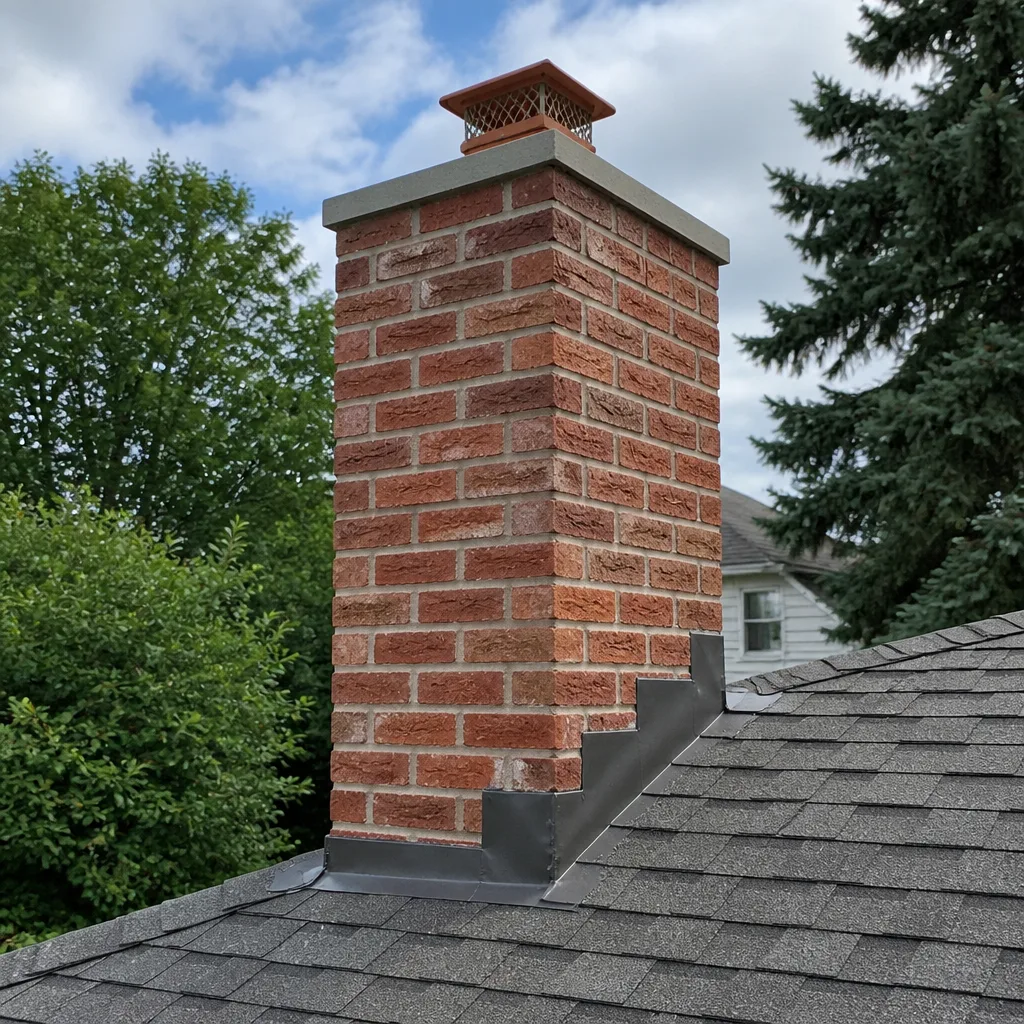 Masonry repair
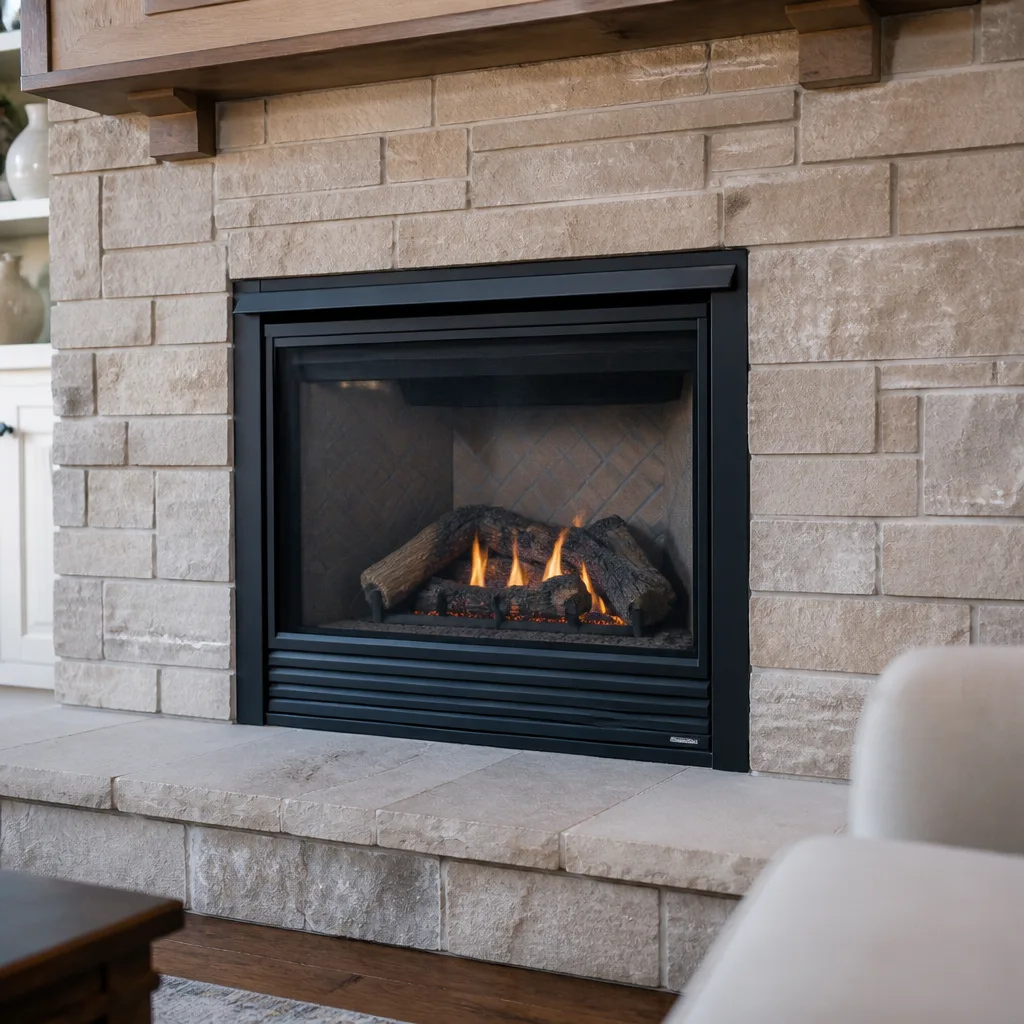 Gas fireplace service
Level 1 sweep and inspection to the NFPA 211 annual standard - flue, crown, cap, and flashing checked and photographed
Chimney sweep logs do not sweep chimneys. They loosen some creosote - which then falls where a brush and vacuum still have to collect it.
Chimney Cleaning Cost Breakdown: The Salt Lake City Homeowner’s Reference for 2026
Two quotes land in your inbox for the same job, and one is $89 while the other is $350. It’s tempting to assume the second company is gouging you, or that the first is running a loss leader. Neither is true. Those two numbers describe fundamentally different services: one is a quick brush-down with a flashlight glance, and the other is a diagnostic sweep that documents what’s actually inside your flue liner before anyone climbs off your roof. The gap between them is the story of chimney cleaning pricing in Salt Lake City. This guide breaks down what each line item means, what a fair 2026 quote looks like, and how to read a proposal without a trade background.
Quick Answer
A standard chimney sweep in Salt Lake City typically runs $180 to $350 for a single flue with a camera inspection and written report included. Specialty work – a stainless liner installation, HeatShield resurfacing, damper replacement, or multi-flue servicing – pushes the total higher, often into the $500 to $1,200 range depending on flue height, liner condition, and what the inspection turns up. Quotes below about $120 usually exclude the diagnostic work that tells you whether your chimney is safe to burn.
Styles & brands we work with
- Sweep & inspection
- Caps & crowns
- Flue relining
- Masonry repair
- Gas fireplace service
Table of Contents
- What a Standard Chimney Cleaning Quote Should Include
- Why Chimney Cleaning Prices Vary So Much in Salt Lake City
- Line-Item Pricing: What Each Component Costs
- Add-On Repairs Discovered During Cleaning (With 2026 Ranges)
- Why the Cheapest Quote Often Costs More Long-Term
- How to Evaluate a Quote Without Technical Knowledge
- The Salt Lake City Climate Factor Most Quotes Ignore
- Questions to Ask Before You Book
What a Standard Chimney Cleaning Quote Should Include
A legitimate chimney cleaning quote is not a single price for “a sweep.” It’s a scope of work broken into four components. When a company hands you a flat number with no detail, they’re either performing all four silently or skipping two of them silently. You want to know which.
1. Inspection level. The National Fire Protection Association defines three inspection tiers. A Level 1 inspection is a visual check of accessible portions of the chimney with basic tools – appropriate when conditions haven’t changed since the last service. A Level 2 inspection adds a video camera scan of the entire flue interior and is required after a chimney fire, a change in fuel type, a property sale, or an appliance replacement. A Level 3 inspection involves opening walls or removing components to access concealed areas and is rare outside major structural concerns. Most routine cleanings include a Level 1 or Level 2. Ask which one you’re paying for.
2. Tools used. Professional sweeps use rotary brushes sized to the flue, drop cloths and HEPA-equipped vacuums to contain dust, and hand tools for the smoke chamber and damper area. Cut-rate operations often skip the vacuum and brush down quickly, leaving soot on your hearth and in your living room air.
3. Creosote removal method. Creosote accumulates in three grades. Stage 1 is flaky and brushes off easily. Stage 2 is tar-like and requires rotary agitation. Stage 3 is glazed, hardened, and demands chemical treatment or mechanical removal by a specialist – and it’s the grade that causes chimney fires. A quote that doesn’t mention creosote grade is a quote that didn’t assess it.
4. Written report. After the sweep, you should receive a summary of what was found: creosote grade, liner condition, damper operation, cap condition, and any recommended follow-up. This document protects you at resale and gives you a baseline for next year’s service.
When you book a chimney sweep with us, all four components are part of the base price – not upsells added after the technician is on your roof.
Why Chimney Cleaning Prices Vary So Much in Salt Lake City
Salt Lake City sits at roughly 4,300 feet in a valley where inversions trap cold air and wood smoke close to the ground for weeks at a stretch. That geography shapes chimney usage and chimney condition in ways a coastal or low-elevation market never sees. Four factors drive most of the price variation here.
Flue height. Homes in the Avenues, Federal Heights, and the upper benches often sit on sloped lots where the chimney rises 25 feet or more above the firebox to clear the roofline. Taller flues mean more brush work, more ladder time, and more wear on the technician’s equipment. A single-story ranch in Sandy might have a 12-foot flue; a two-story Tudor near the University of Utah might have a 30-foot one. The labor difference is real, and it shows up in the quote.
Liner type. Clay tile liners are common in older Salt Lake City homes built before the 1980s. They crack, spall, and separate at the joints under repeated heating cycles – a particular problem in this valley’s freeze-thaw pattern. Stainless liners, whether original or retrofitted, hold up better but can accumulate creosote in ways that require different brush techniques. A sweep working on a cracked clay liner has to be more careful and more thorough, and that takes longer.
Last service date. A chimney swept every year takes 45 minutes. A chimney that hasn’t been touched in five years may take two hours and require chemical creosote treatment before brushing. Salt Lake City has a large stock of pre-1950 homes where the chimney has been decorative for decades and the creosote layer has hardened into Stage 2 or Stage 3 territory.
Camera inspection included. This is the single biggest swing in the quoted price. A quote that includes a full video scan of the flue interior and a written photo report costs more – and it should. The camera is what catches a hairline crack a flashlight will never show you. If a company quotes you $99 for a sweep with no camera, they’re quoting a Level 1 check and calling it a full service.
Line-Item Pricing: What Each Component Costs
Here’s how a 2026 chimney cleaning quote in Salt Lake City breaks down by component. These are typical estimated ranges for standard residential chimneys. Final pricing depends on what the technician finds and is always set by the written estimate before any work begins.
| Line Item | Typical Estimated Range (2026) |
|---|---|
| Level 1 visual inspection | $75 – $125 |
| Level 2 camera inspection with photo report | $125 – $225 |
| Standard sweep (single flue, Stage 1 creosote) | $180 – $250 |
| Heavy creosote removal (Stage 2, rotary agitation) | $250 – $400 |
| Stage 3 glazed creosote (chemical + mechanical) | $400 – $700 |
| Additional flue (second chimney or fireplace) | $100 – $175 each |
| Dryer vent cleaning (add-on to a chimney visit) | $125 – $225 |
Standalone dryer vent cleaning runs in the same range – it’s one of the two most overlooked fire hazards in a home, and pairing it with a chimney sweep makes sense on a single visit. Read more about dryer vent cleaning if you’ve never had the vent line opened up.
One note on flue count: many Salt Lake City homes have two flues sharing a single chimney stack – one for the wood fireplace, one for the furnace or water heater. Some quotes assume one flue and charge the second as a surprise. Ask upfront which flues are covered.
Add-On Repairs Discovered During Cleaning (With 2026 Ranges)
Roughly a third of the sweeps we perform turn up something that needs discussion. Not because sweeps are hunting for work, but because the camera shows what a flashlight never will. Here’s what common findings cost in the Salt Lake City market this year.
- Cracked crown repair: $250 – $600. The concrete cap at the top of the chimney cracks under freeze-thaw cycles and lets water into the masonry. Small cracks can be sealed; larger ones need crown rebuild.
- Chimney cap installation: $175 – $450. A cap keeps rain, snow, birds, and squirrels out. If your chimney is uncapped, this is the cheapest prevention on the list.
- Damper replacement: $350 – $800. A rusted or stuck damper either won’t seal (heat loss and carbon monoxide risk when closed) or won’t open (smoke in the room).
- Liner patching (localized crack repair): $300 – $700. Only appropriate when damage is limited to one or two small areas and the rest of the liner is sound.
- Full stainless relining (DuraFlex system): $2,500 – $5,500 depending on flue height and configuration. This is the substantive repair – a new continuous liner sized to the appliance that handles heat, condensation, and time.
- HeatShield resurfacing: $1,800 – $4,000. A specialist flue-resurfacing system applied to the interior of a damaged but structurally intact flue. Very few general-purpose crews offer this; it’s a trade-grade product that requires specific training to install correctly.
- Masonry tuckpointing: $600 – $2,000. Repointing mortar joints on the exterior of the stack above the roofline, where weather hits hardest.
We work with a curated set of professional chimney-trade brands – DuraFlex for flexible liner systems, HeatShield for resurfacing, and Gelco, Olympia Chimney, Famco, and Copperfield for components and accessories. We specify these because they’re what full-time chimney specialists install, not what a hardware store stocks. Trade-grade materials, not off-the-shelf substitutes.
Why the Cheapest Quote Often Costs More Long-Term
The $89 sweep isn’t a scam in the sense of taking your money and vanishing. The technician shows up, brushes the visible flue, and leaves. What it doesn’t include is the diagnostic that would have told you your liner has a hairline crack, your damper hinge is seized, or your creosote has reached Stage 2 in the upper third of the flue where the brush didn’t reach.
Six months later, that same homeowner is calling for a repair that costs ten times what the diagnostic would have. But it’s worse than a pricing story – a cracked liner allows heat and embers to reach the wood framing around the chimney, and it lets carbon monoxide escape into the living space rather than up the stack. Those are the two failure modes chimney diagnostics exist to prevent.
There’s a second cost the cheap quote hides. A volume operation runs four to six sweeps a day. The technician working on your chimney has a schedule that doesn’t leave room to examine a creosote grade carefully or to walk you through what the camera shows. Thorough work takes time, and time costs money. When a quote comes in well below the local range, that gap is coming out of the diagnostic, not the company’s profit.
We’ve seen the pattern enough times to name it plainly: skipped diagnostics in October become emergency calls in January. The homeowners who book a proper sweep with camera evidence in the fall are the same ones who don’t find themselves replacing a liner in the middle of burning season.
How to Evaluate a Quote Without Technical Knowledge
You don’t need to know what a smoke chamber is to tell a thorough quote from a thin one. Three line items will tell you almost everything.
- Does the quote name the inspection level? “Level 1” or “Level 2” in writing means the company knows the difference and is doing the work to a standard. A quote that just says “inspection included” is telling you it will look at the chimney, not assess it.
- Does it mention a camera or video scan? A camera inspection is what produces the evidence you need to understand your own chimney. If the quote doesn’t reference one, ask whether one is included and what the report will show you.
- Does it promise a written report? Any company that finishes a sweep and drives off without giving you a document is a company that didn’t record what it found. A written report – with photos if possible – is what makes the quote auditable. It’s also what you hand a buyer if you ever sell the house.
Two more tells worth noting. Ask what happens if the technician finds damage that wasn’t in the original quote. The right answer is that they show you the camera footage, explain the options, and let you decide – not that they quote a repair and ask you to sign. And ask whether the price includes cleanup and vacuum containment. A sweep that leaves dust in your living room charged you for a service it didn’t finish.
We set the price per job by written estimate before we book. Nothing gets recommended without camera evidence you can see for yourself, and when work can safely wait until spring, we say so.
The Salt Lake City Climate Factor Most Quotes Ignore
Chimneys here live a harder life than the national average, and the pricing model most companies use doesn’t account for it. The Salt Lake Valley runs cold winters with wide diurnal temperature swings – warm afternoons, freezing nights. That cycle expands and contracts masonry, opens mortar joints, and cracks clay liners over years of use. The Wasatch bench gets more snow and more freeze-thaw cycles than the valley floor, so a Federal Heights chimney and a West Valley chimney age differently.
Then there’s inversion season. From roughly November through February, cold air settles over the valley and traps wood smoke near the ground. Chimneys draw less efficiently during inversions, which means creosote deposits build faster per cord of wood burned. A homeowner burning through two cords of wood in an inversion-heavy winter may produce the creosote load of three cords in a normal year.
The practical upshot: Salt Lake City chimneys need service more often than the general “once a year” guideline suggests, and the condition assessment matters more than a quick brush. When we sweep in Salt Lake City, we’re checking for the specific damage this climate creates – spalled clay, cracked crowns, joint separation – not just clearing soot. If you want the full local picture, see our Salt Lake City service overview.
If you live on the bench and burn hardwood, budget for a sweep every fall. If you’re in the valley proper and burn less than a cord a year, you may stretch to every other year, but you still want a camera inspection each time to catch liner damage early.
Questions to Ask Before You Book
Five questions separate a thorough booking from a cheap one. Ask them before you schedule.
- What inspection level is included, and is a camera scan part of it? You’re looking for Level 2 and a yes on the camera for most homes.
- What happens if the technician finds damage? The right answer is: they show you the footage, explain the options, and don’t pressure you to decide on the spot.
- Will I get a written report with photos? The photos are for you, not for the file.
- What does the price cover – one flue or the whole stack? Know your flue count going in.
- Do you work with professional-grade liner and resurfacing systems, or do you only sweep? If the answer is “we only sweep,” you’ll be handed off to someone else for any repair, and the diagnosis and the fix end up with two different companies.
Forge Chimney Cleaning sweeps, repairs, and restores – not just cleans and leaves. We handle relining with DuraFlex systems and HeatShield resurfacing in the same visit schedule, so the company that found the problem is the company that fixes it. To book a sweep or get a free estimate, call (833) 497-1153. We answer 24/7.
Common Mistakes to Avoid
- Booking on price alone. The cheapest quote in the inbox almost always excludes camera inspection, written report, or cleanup. By the time you find out, the technician is on the roof. Ask what’s included before you compare numbers.
- Skipping the camera because the sweep “looked fine.” A clean brush-down tells you the flue is clear. It doesn’t tell you the liner is intact. In Salt Lake City’s freeze-thaw climate, a hairline clay crack is the most common damage we find, and no flashlight catches it.
- Burning softwood or green wood through inversion season. Both build creosote faster, and the valley’s November-February inversions already cut draft efficiency. Seasoned hardwood burns cleaner and produces less deposit per cord.
- Ignoring the dryer vent because the chimney gets all the attention. A lint-clogged dryer vent is the second fire hazard most Salt Lake City homes carry, and it’s often discovered only when a technician is already in the house for a chimney sweep.
- Assuming a mason is the right call for a liner problem. Masons handle masonry. Liner repair and flue resurfacing need a chimney specialist working with trade-grade systems like DuraFlex or HeatShield. General masons typically don’t carry either.
- Putting off service until the fireplace is already in use. Fall fills the calendar, and booking in October for a December sweep often means a backlog. The better window is late summer and early fall, before the first cold snap drives everyone to call.
- Signing a repair estimate on the spot without seeing the footage. Any recommendation worth making can wait a day for you to review the photos and think it through. If a company won’t show you the evidence, that’s the answer.
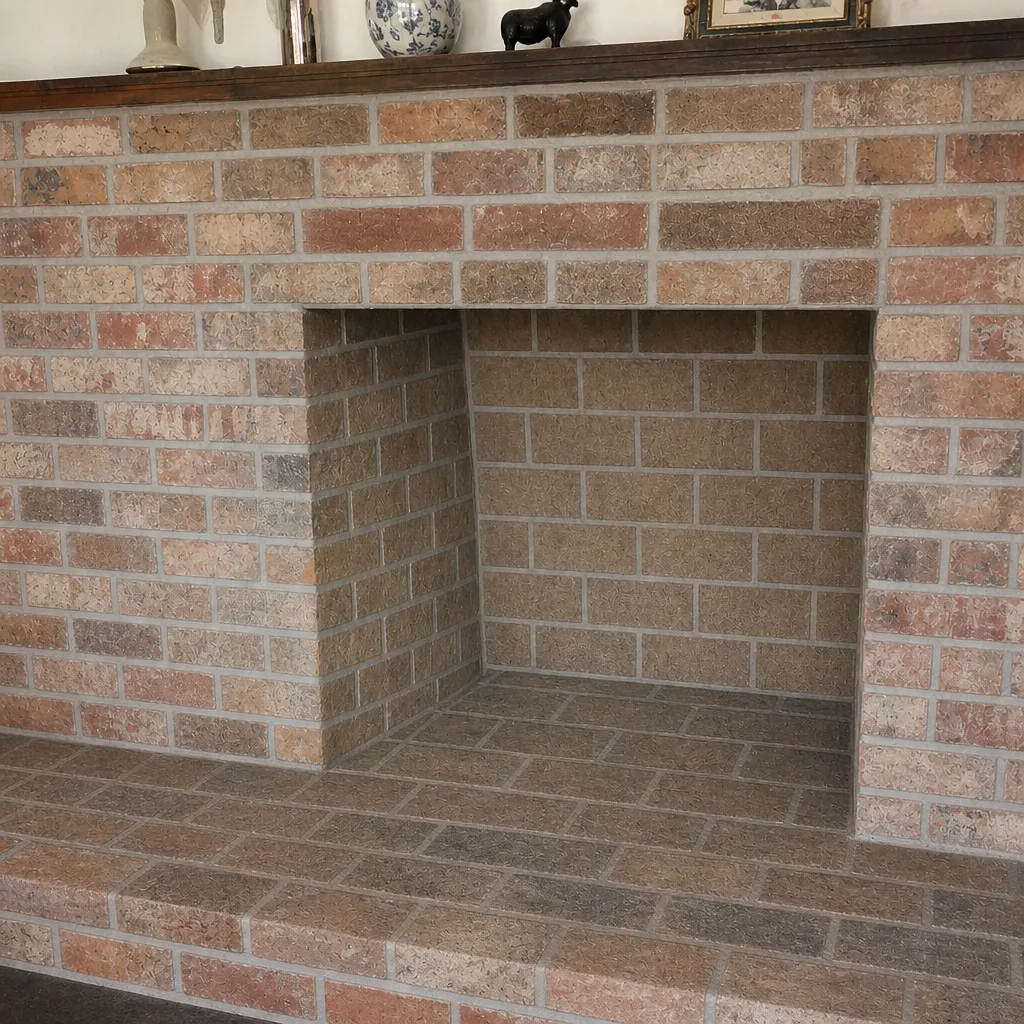
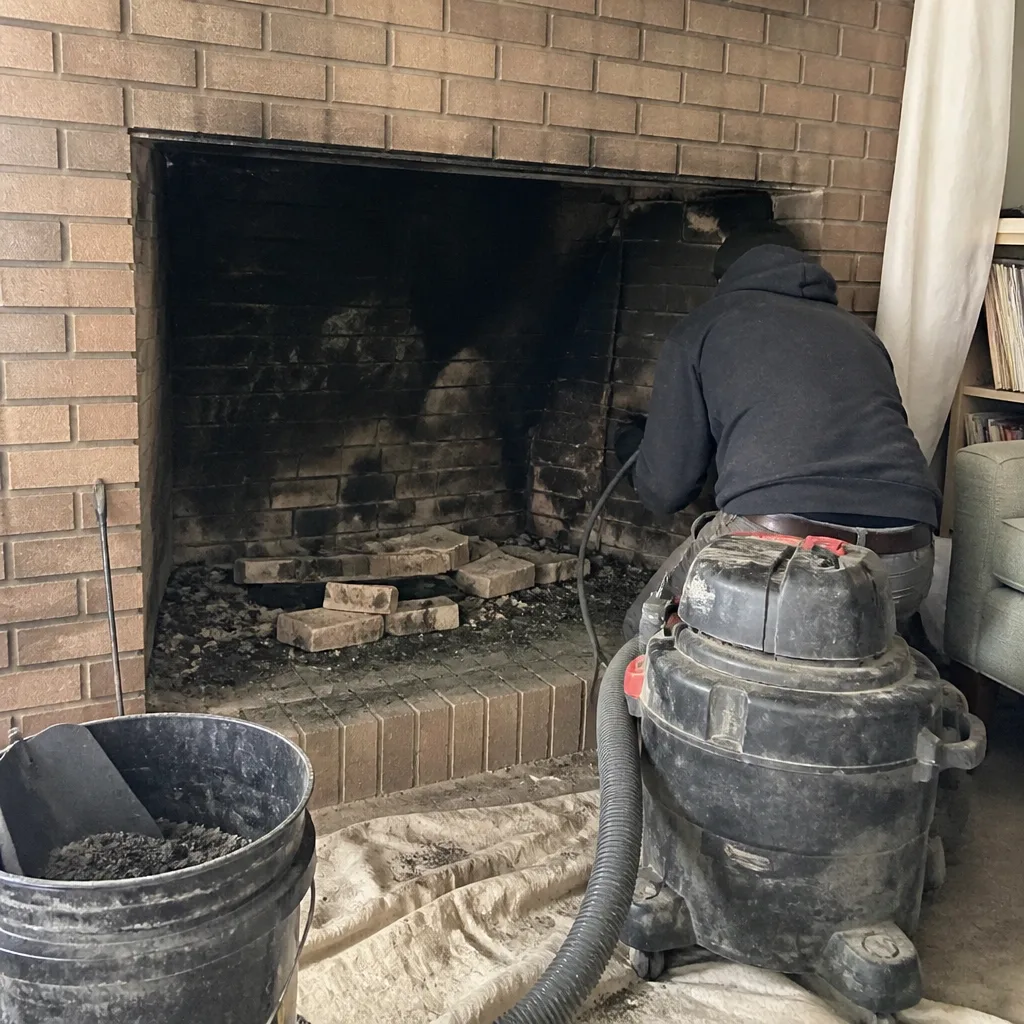
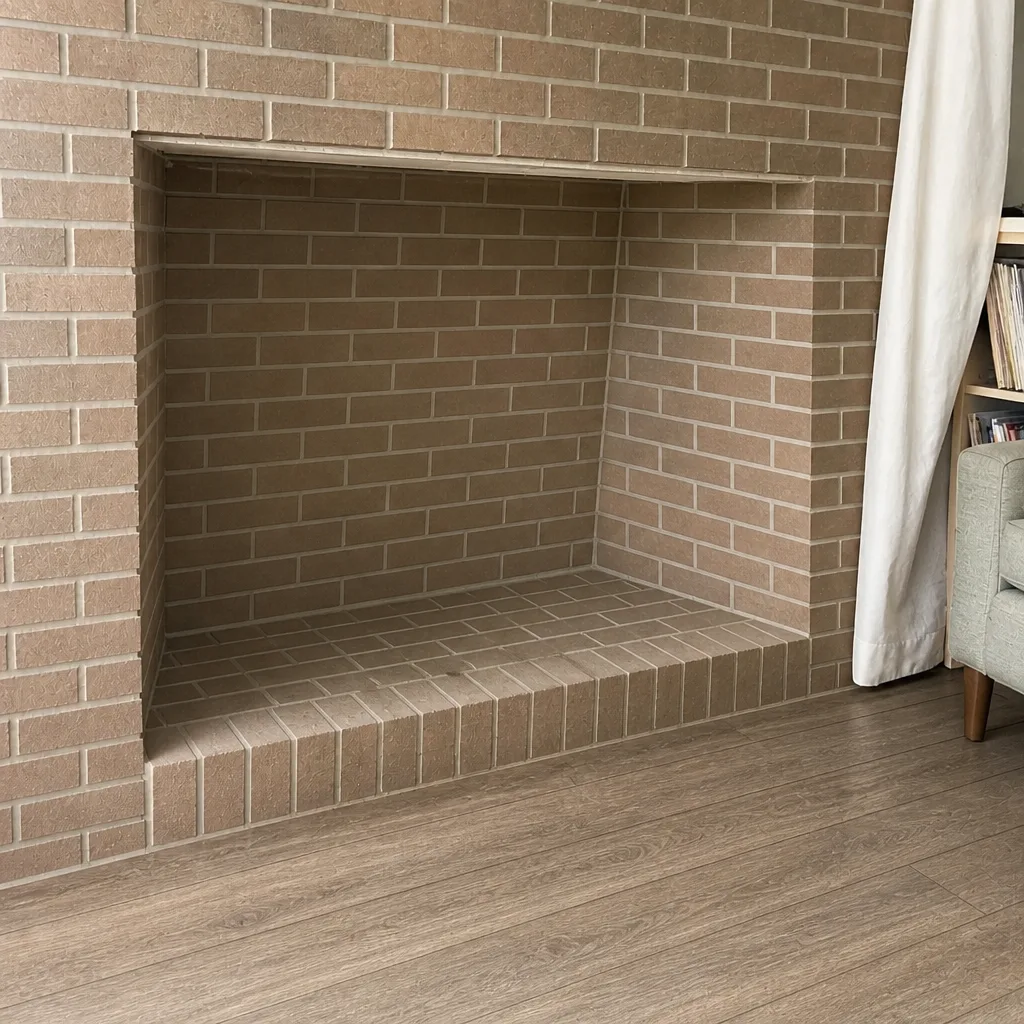
See the difference
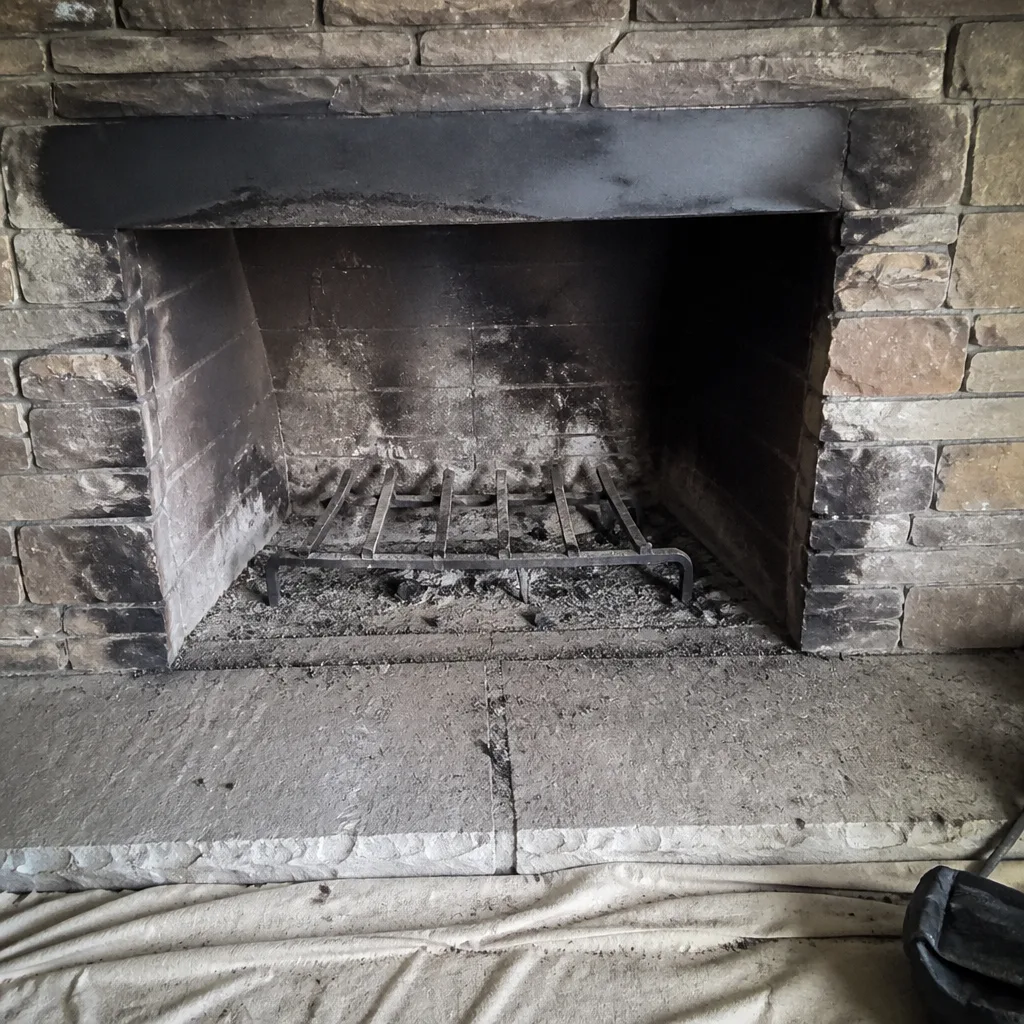 Before
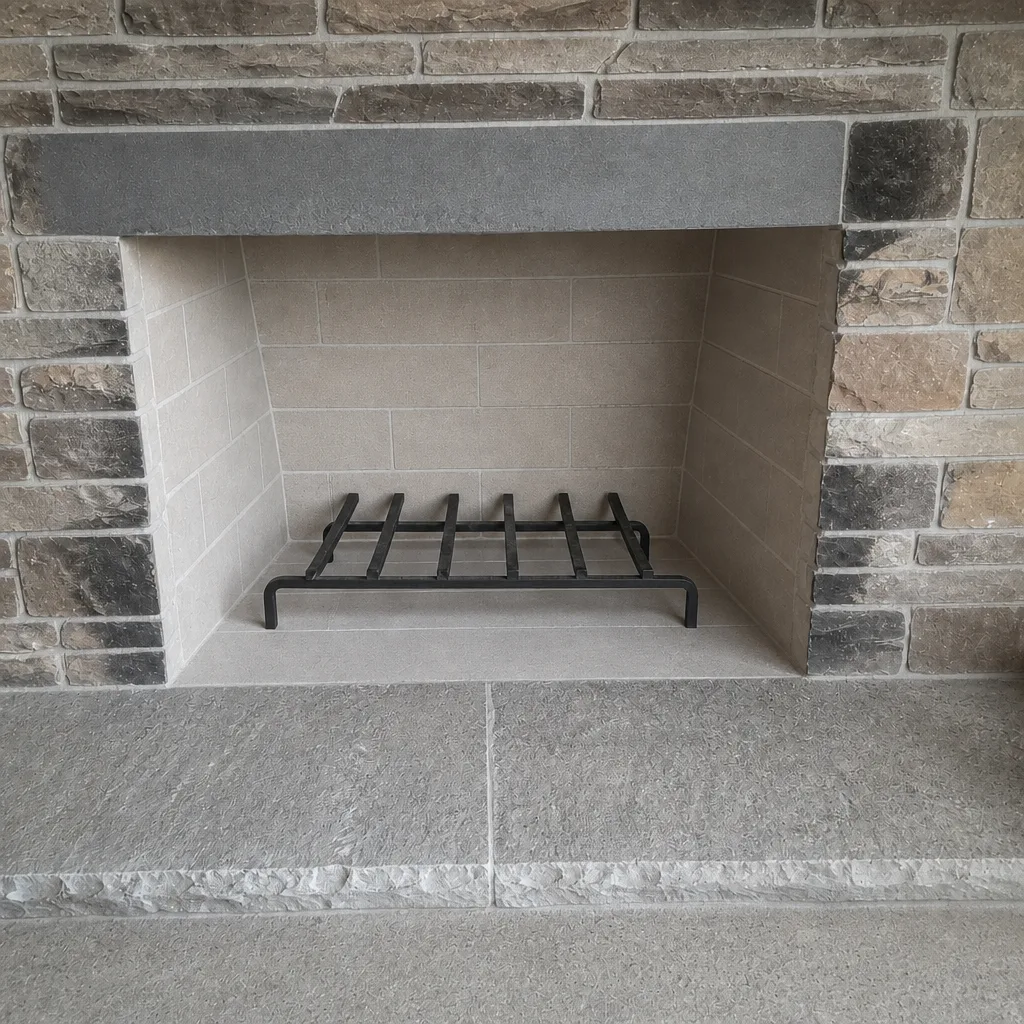 After
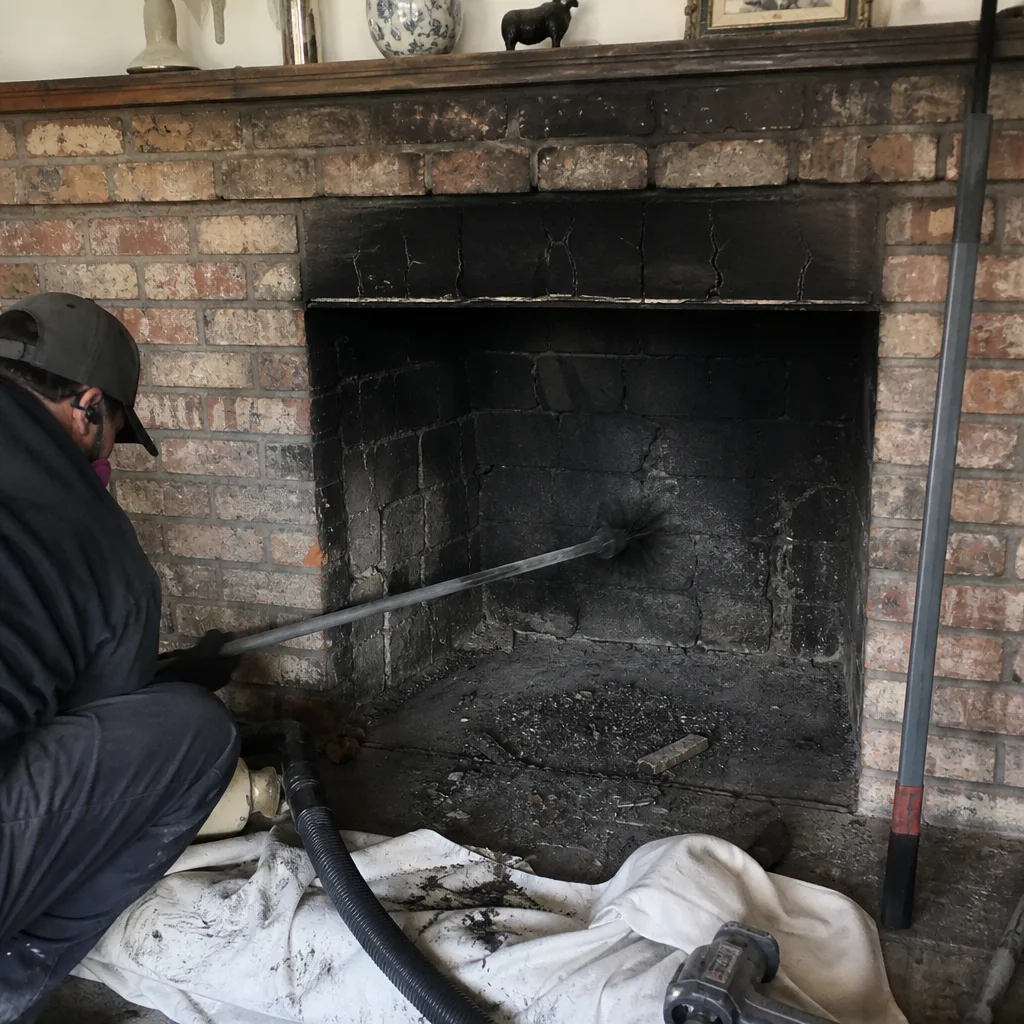 Before
 After
 Before
 After
When to Call a Professional
Call a chimney professional if any of the following is true: you’ve never had the chimney inspected and you don’t know when it was last swept; you’ve had a chimney fire, even a small one; you notice smoke backing into the room when you light a fire; you smell a strong creosote odor on warm days; you’ve switched fuel types or installed a new appliance; you’re buying or selling a home with a wood-burning fireplace; or you’ve burned more than a cord of wood since the last service. These are the conditions that call for a Level 2 inspection with camera, not just a brush-down. Forge Chimney Cleaning offers free estimates in Salt Lake City – call (833) 497-1153. We answer 24/7. Fast dispatch from 7am to 7pm, Sunday through Friday.
Frequently Asked Questions
A standard chimney sweep in Salt Lake City typically costs $180 to $350 for a single flue with a camera inspection and written report. Add $100 to $175 for each additional flue. Heavy creosote removal, liner repair, or component replacement adds to the total, and the written estimate sets the final price. Call (833) 497-1153 for an exact quote – estimates are free.
You need a new liner if the camera inspection shows cracks, gaps at the tile joints, or spalling that lets heat or carbon monoxide reach the structure. If the liner is intact, you don’t. The distinction matters, and the only honest way to know is to see the footage. We don’t recommend a liner without camera evidence you can look at yourself, and if the damage is localized, HeatShield resurfacing or liner patching may be enough. Call (833) 497-1153 to book an inspection with a written report.
Most Salt Lake City chimneys should be swept once a year, and some need it more often. The valley’s inversion seasons cut draft efficiency and speed up creosote buildup, and the freeze-thaw cycle stresses masonry and clay liners harder than in milder climates. If you burn more than a cord of wood per winter, annual service is the baseline. If you burn less, every other year may be enough – but a camera inspection each time is still worth doing. Call (833) 497-1153 to book.
Creosote builds up in layers, and once it reaches Stage 2 or Stage 3 it becomes fuel for a chimney fire. Separately, small liner cracks that a sweep would have caught early can widen over a season and let heat or carbon monoxide into the structure. Skipping the sweep doesn’t cause an immediate problem – it removes the diagnostic that would have caught one. Call (833) 497-1153 for a sweep that includes the inspection.
They’re quoting different services. The $89 quote is typically a brush-down with a visual glance and no camera, no written report, and no creosote grading. The $350 quote includes a Level 2 inspection with video scan, a written photo report, and cleanup. In Salt Lake City, the price swing almost always tracks whether the diagnostic is included, not whether the company is overcharging. Call (833) 497-1153 if you want a quote that spells out the scope line by line.
Yes, and it’s worth doing. Dryer vent cleaning runs $125 to $225 on its own and is one of the most overlooked fire hazards in a home. Pairing it with a chimney sweep on the same visit makes sense – the technician is already there, and both systems get documented on one report. Call (833) 497-1153 to book both in one visit.
The Bottom Line
Chimney cleaning pricing in Salt Lake City varies by a factor of three because companies are selling different services under the same label. A fair 2026 sweep runs $180 to $350 for a single flue, includes a camera inspection and a written report, and gives you evidence you can actually evaluate. Add-on repairs – liners, caps, dampers, crowns, HeatShield resurfacing – push the total higher and should always be backed by footage you’ve seen. The $89 quote isn’t cheaper; it’s just a smaller service. If you want a free estimate with the full scope spelled out, call Forge Chimney Cleaning at (833) 497-1153. We answer 24/7. Fast dispatch from 7am to 7pm, Sunday through Friday. Learn more about Forge Chimney Cleaning and what we do.
Written by the team at Forge Chimney Cleaning.