
Last updated November 14, 2026
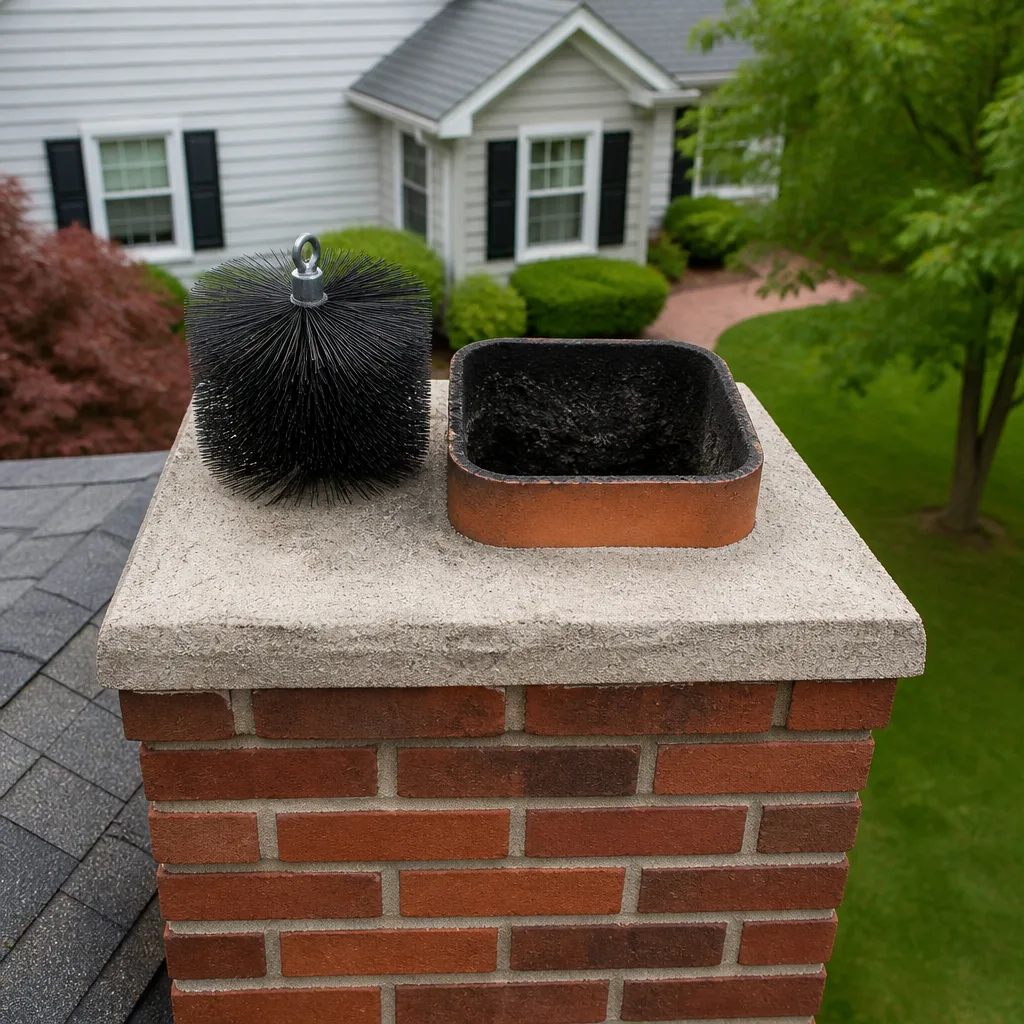 Sweep & inspection
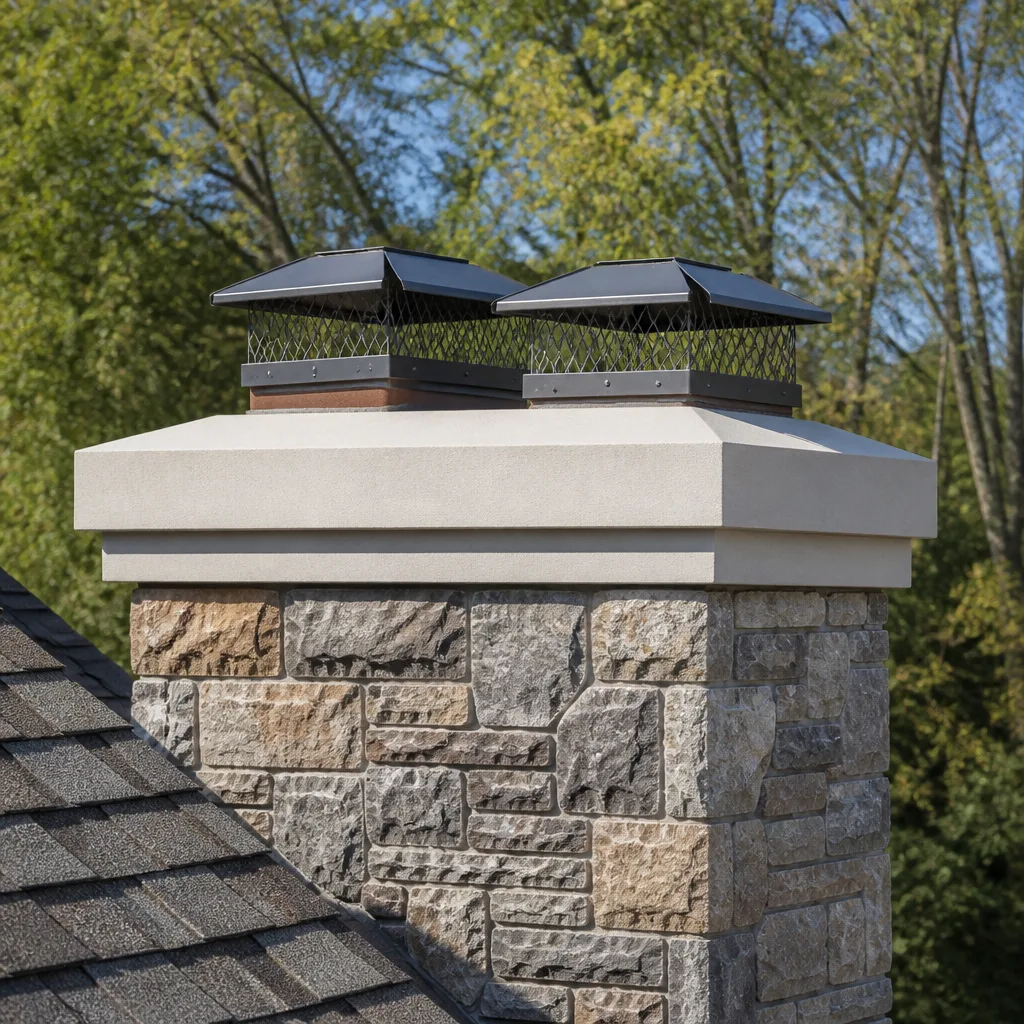 Caps & crowns
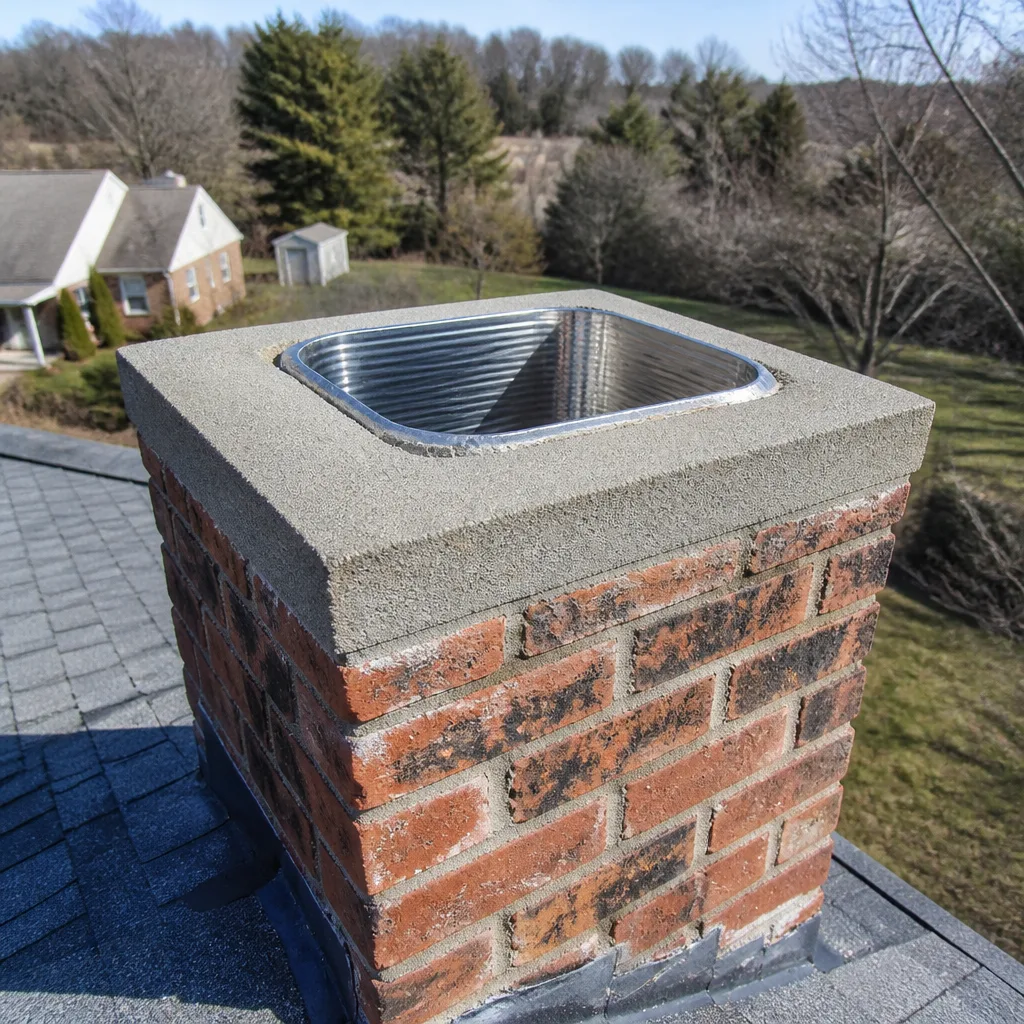 Flue relining
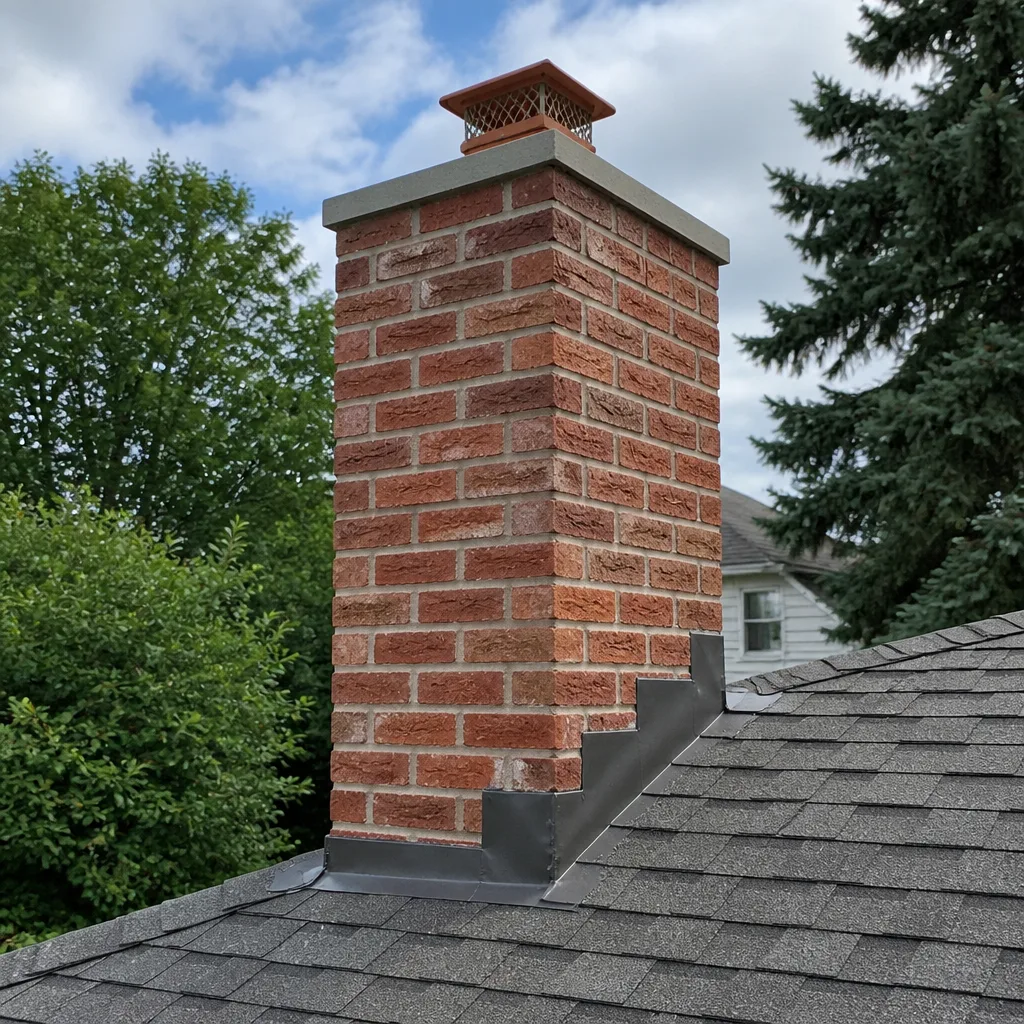 Masonry repair
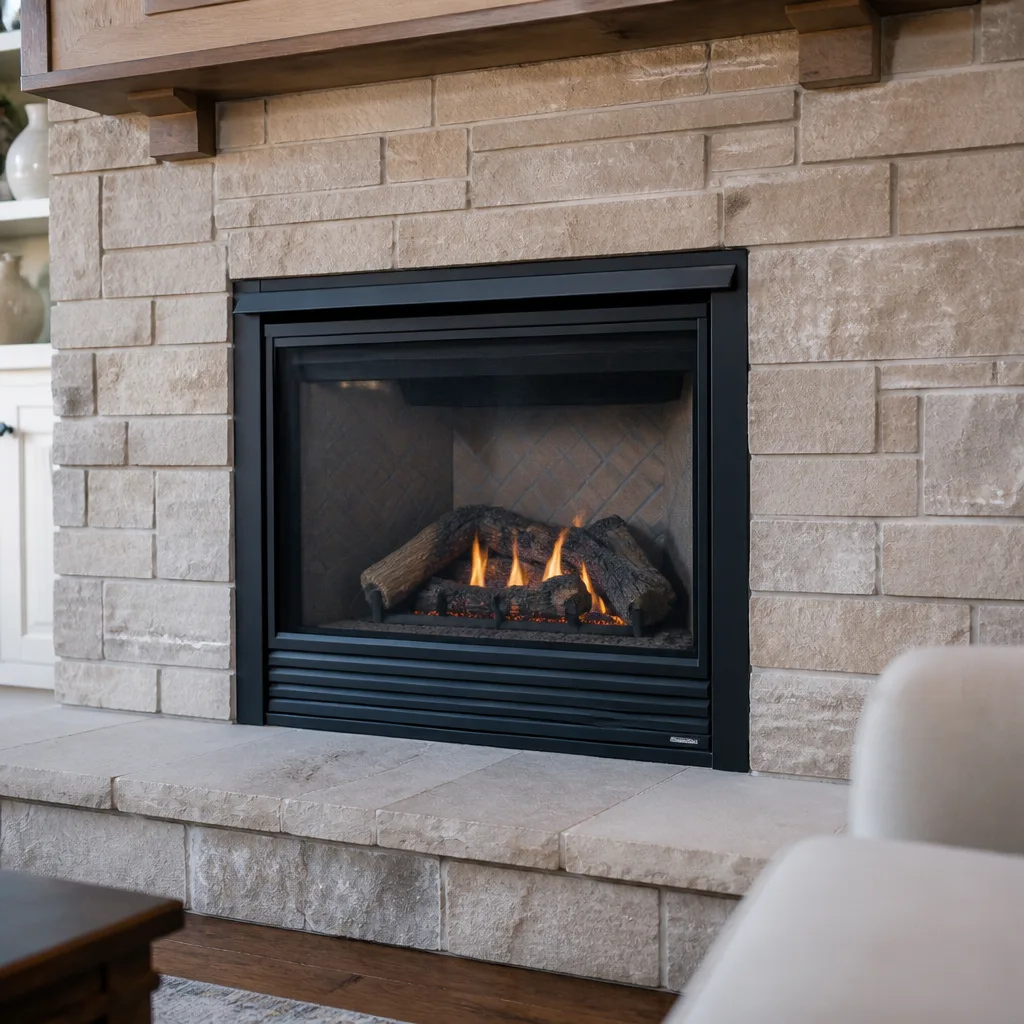 Gas fireplace service
Level 1 sweep and inspection to the NFPA 211 annual standard - flue, crown, cap, and flashing checked and photographed
Chimney sweep logs do not sweep chimneys. They loosen some creosote - which then falls where a brush and vacuum still have to collect it.
Chimney Sweep Maintenance Schedule: What to Do and When
The National Fire Protection Association says sweep annually, and that standard is a good floor. But it was written for average use, and most households in Salt Lake City aren’t average. If you burned more than two cords of wood last winter, or if your fireplace is your main heat source on cold valley nights, you’re already behind schedule. A single yearly sweep treats every chimney the same, which ignores how you burn, what you burn, and what the freeze-thaw cycle here does to masonry between seasons. What follows is a month-by-month framework for our climate: what to schedule, what to check yourself, and when to call. We’ll cover how gas, wood, and pellet systems differ, what Level 1 and Level 2 inspections actually mean, and how Salt Lake City winters shape the way you should think about your flue.
Quick Answer
Sweep a wood-burning chimney once a year, and more often if you burn more than two cords of wood a season or notice heavy creosote. Schedule a professional inspection every year, ideally in April after burning season ends, when Salt Lake City’s freeze-thaw damage is visible and still fixable before summer. Gas and pellet systems need an annual inspection but usually less frequent sweeping. Between professional visits, check the damper, the visible flue mouth, and the cap and crown from the ground.
Styles & brands we work with
- Sweep & inspection
- Caps & crowns
- Flue relining
- Masonry repair
- Gas fireplace service
Table of Contents
- Why a Fixed Annual Sweep Isn’t Enough
- The Month-by-Month Salt Lake City Chimney Calendar
- Maintenance by Fuel Type: Wood, Gas, and Pellet
- What You Can Check Yourself Between Visits
- How Salt Lake City’s Freeze-Thaw Cycle Damages Masonry
- Level 1 vs. Level 2 Inspections in Plain Language
- Creosote: What It Is and Why Degree Matters
- How to Schedule and What to Expect
Why a Fixed Annual Sweep Isn’t Enough
A sweep on the same day every year is a habit, not a maintenance plan. The right schedule depends on three things: how much you burn, what fuel you burn, and what your chimney is built from. A homeowner in the Avenues who burns three cords of fir and maple every winter accumulates creosote far faster than someone in Sugar House who lights a gas insert a few times a month. Both chimneys still need attention on an annual basis, but they need different kinds of attention.
There’s a second variable that’s easy to overlook: the building itself. Salt Lake City sits in a valley where temperatures routinely swing across the freezing point through winter. That swing works on masonry in a way that a steady cold doesn’t. Water gets into small cracks, freezes, expands, and widens them. Repeat that cycle and mortar joints start to spall. A schedule that only accounts for creosote misses half the picture.
So we build the plan around three questions:
- How much do you burn? Volume of fuel tells you how often the flue needs sweeping.
- What fuel? Wood, gas, and pellets leave different residues and need different inspection rhythms.
- What’s the chimney made of? Brick and mortar age differently from a modern liner system, and both need eyes on them at the right time of year.
The calendar that follows answers all three. It’s written for Salt Lake City conditions, but the logic travels well to any inland valley climate with real winters. For the cleaning side specifically, our chimney sweep page covers what happens during a visit.
The Month-by-Month Salt Lake City Chimney Calendar
Think of the year in three acts: preparing before you burn, monitoring while you burn, and inspecting after you stop. Most chimney problems here are caught in the shoulder seasons, when the weather is mild and a technician can get on a roof safely and see what winter did.
September: Pre-Burn Preparation
Before the first fire of the season, book your annual sweep and inspection. This is the single most useful appointment of the year because it clears whatever accumulated last season and confirms the system is safe to light. September in Salt Lake City is still warm enough to work comfortably, and scheduling now means you’re not competing for a slot once the first cold snap hits.
At this visit, we’re looking at creosote buildup in the flue, the condition of the damper, the firebox, the cap and crown, and the flashing where the chimney meets the roof. If we find a problem, you have weeks to fix it before you need the fireplace, not days.
October through March: The Burn Season
Once you’re burning regularly, you’re in monitoring mode. Watch for signs that creosote is building faster than expected:
- Smoke rolling back into the room instead of drawing up
- A stronger, sharper smell from the fireplace even when it’s not lit
- Visible flaky or glazed deposits when you look up the flue with a light
- The fire struggling to catch or burning with a weak, lazy flame
- Any change in how the damper feels when you open or close it
If you burn heavily – more than two cords – a mid-season check around January or February is worth booking. Light burners can often wait for the spring inspection.
April: Post-Season Inspection
April is the most underrated month on the chimney calendar in Salt Lake City. Burning season is ending, but the damage from freeze-thaw is at its most visible: cracked mortar, loose bricks, a crown that’s pulled away from the flue. Catching it now gives you the whole dry season to repair it. Wait until fall and you’re repairing in a hurry.
This is also the best time to inspect a liner, because there’s no active fire residue obscuring the surface. A damaged liner is a serious concern – it’s what separates combustion gases from the wood framing of your house – so spring is when you want to know.
May through August: Repairs and Restoration
If the April inspection turned up spalling mortar, a cracked crown, or a liner that needs relining or resurfacing, summer is when the work gets done. Warm, dry weather helps masonry cure properly. Doing it in July means you’re not racing the first freeze in October. This is also when a dryer vent cleaning fits naturally into the maintenance rhythm. Dryer vents are the other fire hazard in most homes that gets ignored, and a warm-weather visit is a good time to clear the lint that’s built up through a winter of laundry.
Maintenance by Fuel Type: Wood, Gas, and Pellet
Every “how often should I clean my chimney” article treats all fireplaces the same. They aren’t. The residue profile and inspection needs differ significantly by fuel, and matching your schedule to your fuel is one of the core ideas behind this whole framework.
Wood-Burning Fireplaces and Stoves
Wood is the highest-maintenance fuel. It produces creosote as a natural byproduct of incomplete combustion, and creosote is flammable. Sweep annually at minimum, and more often – every cord over two or any visible glaze – for heavy users. Wood also leaves ash and soot that need clearing from the firebox and smoke shelf. If you burn unseasoned wood, you’ll build creosote faster, so the schedule shortens accordingly.
Gas Fireplaces and Inserts
Gas burns clean, so creosote isn’t the issue. What builds up instead is a light dust, and in some installations, moisture from combustion byproducts. An annual inspection still matters, because the things that fail on a gas system – the venting, the seals, the burner and pilot components – fail quietly. We inspect gas fireplaces every year and sweep when the venting shows enough debris to warrant it. Less often than wood, but never “never.”
Pellet Inserts and Stoves
Pellet appliances sit between the two. They burn cleaner than wood, but ash and fine fly ash still collect in the flue and venting. The manufacturer’s manual usually specifies a cleaning interval, and it’s worth following it. In practice, most pellet systems need an annual cleaning with a mid-season ash clearing if you run them hard. The venting itself – often a smaller-diameter pipe – can clog faster than a large masonry flue, so don’t skip it because the fire “looks clean.”
Whichever fuel you burn, the professional-grade components matter when repairs come up. We specify DuraFlex liners, HeatShield resurfacing, and components from brands like Olympia Chimney and Copperfield because they’re what the trade actually uses, not hardware-store substitutes.
What You Can Check Yourself Between Visits
Between professional appointments, a homeowner can watch for a surprising amount without climbing on the roof or reaching into the flue. These checks take five minutes and give you useful information to share when you book a visit.
- Operate the damper. Open and close it fully. It should move smoothly and sit flush when closed. Grinding, sticking, or a damper that won’t fully open is worth a call.
- Look up the flue mouth with a flashlight. From the firebox, shine a light up. You’re looking for obvious soot buildup, flaky deposits, or any visible crack in the liner surface. Don’t reach up there – just observe.
- Check the cap and crown from the ground. Use binoculars if you have them. The cap should be intact and sitting square. The crown – the concrete top around the flue – shouldn’t show visible cracks or a gap where it meets the flue.
- Watch the draft on the first fire. If smoke spills into the room before the flue warms, or if the fire smokes persistently, the draft is compromised. That’s a professional call, not a DIY fix.
- Note any smell. A sharp, acrid smell from the fireplace when it’s cold can indicate creosote or a draft issue. A musty smell can point to moisture getting in.
What you should not do yourself: sweep the flue, inspect the liner interior, remove the cap, or work on the roof. Fall risk and confined-space hazards are real, and a damaged liner is something only a trained eye catches. When in doubt, call a professional.
How Salt Lake City’s Freeze-Thaw Cycle Damages Masonry
Salt Lake City’s winters bring dozens of hard freezes, and the daytime thaw that follows is what actually does the damage. When water seeps into a hairline crack in mortar or brick and then freezes overnight, it expands. That expansion pushes the crack wider. The next day it thaws and refills. Over one winter, this cycle can turn a cosmetic crack into a structural problem.
The visible result is called spalling – the face of the brick flakes off, and mortar joints crumble. On a chimney, spalling shows up first around the crown and the top courses of brick, because those are the most exposed. A crown that’s cracked lets water straight into the flue structure, and once it’s in there, it doesn’t leave easily.
That’s why we push the April inspection. By April, the winter’s freeze-thaw damage is fully visible, but it’s still early enough in the season to repair it before summer heat and late-summer moisture complicate the job. A crown that’s repaired in May holds through the next winter. A crown that’s left until October repairs in a rush and sometimes doesn’t cure properly before the first freeze. If Salt Lake City’s climate is the reason your chimney ages the way it does, the repair calendar should follow the same rhythm.
Spalling and crown cracks are the kind of repair that falls outside a standard sweep. That’s why we treat chimney repair as its own service, using HeatShield resurfacing for flue restoration and DuraFlex liners when the flue needs a new liner. Most sweep-only companies can’t offer that scope, so the diagnosis stops at “you need repair” instead of “here’s the repair.”
Level 1 vs. Level 2 Inspections in Plain Language
When you call to book, someone will probably ask what kind of inspection you want, and the industry answers in “levels.” Here’s what that means without the jargon.
Level 1 Inspection
A Level 1 is the standard annual check. The technician looks at all the readily accessible parts of the chimney and venting – the firebox, damper, flue from the firebox up to where it exits the roofline that’s visible without special tools, the cap, and the exterior visible from the ground or a ladder. It’s what you get with an annual sweep. It’s also what you get if nothing about the system has changed since last year and you’re not moving or selling the house.
Level 2 Inspection
A Level 2 goes further. It’s triggered by a change in the system: a new appliance, a change of fuel type, a chimney that’s been through a chimney fire, a property sale, or an earthquake or severe weather event. It includes everything in a Level 1 plus a video camera inspection of the flue interior, and it reaches areas a Level 1 can’t see. A camera inspection is how you actually know what shape a liner is in. Instead of a guess, you see the inside of the flue on a screen.
Level 3 Inspection
A Level 3 is diagnostic and involved. It’s used when a Level 2 flagged a serious problem in a concealed area and getting to it means removing parts of the chimney or building. It’s not a routine annual thing. It’s what happens when a problem demands that someone actually get eyes on a hidden section.
Practically, most Salt Lake City homeowners need a Level 1 annually and a Level 2 when something changes – buying a house, installing a new insert, or after a chimney fire. If you’re not sure which applies, ask when you book. A camera inspection and a photo report included with the visit is how you know exactly what you’re being told.
Creosote: What It Is and Why Degree Matters
Creosote is the tar-like residue left behind when wood burns incompletely. It’s the reason wood-burning chimneys need frequent sweeping, and it comes in three recognized degrees of severity.
- First degree: A light, sooty, flaky dust. It brushes off easily. This is what a well-maintained chimney usually shows.
- Second degree: A crusty, flaky layer of hardened deposits. Brushing handles it, but it needs a proper sweep, not a light pass.
- Third degree: A glazed, hardened, tar-like coating. This is the dangerous kind. It’s difficult to remove, and it’s highly flammable. A third-degree buildup is a fire risk.
What produces creosote faster? Cool flue temperatures, unseasoned wood, smoldering fires, and restricted draft. Preventing it means burning dry, well-seasoned wood, keeping fires hot rather than smoldering, and staying on top of the annual sweep. If you’ve had a chimney fire, even a small one, book a Level 2 inspection before you burn again. A chimney fire can crack a liner invisibly.
Carbon monoxide is the other risk to know about. A blocked or damaged flue can let combustion gases back into the home, and that’s something every working chimney should be protected against with functioning carbon monoxide alarms. We’re not in the business of scare tactics, but we do tell you plainly when a liner is compromised and why it matters.
How to Schedule and What to Expect
Booking a maintenance visit is straightforward, and knowing what to expect makes it easier.
- Book the season. September before you burn, or April after you stop. Those are the shoulder-season sweet spots in Salt Lake City.
- Tell us the fuel and use. Wood, gas, or pellet, and how much you burn. That determines whether it’s a sweep, an inspection, or both.
- Expect a camera inspection and photo report. We don’t recommend expensive work without showing you what we found. You see the inside of the flue and the condition of the liner in the report, so nothing is taken on faith.
- Get a written estimate for any repair. Sweeping and inspection are one visit. Repairs – relining, resurfacing, crown work – get a written estimate that sets the final price before any work starts.
We answer 24/7. Fast dispatch from 7am to 7pm, Sunday through Friday, and we’re closed Saturday. If you have a dryer vent that hasn’t been cleaned in a while, bundle that with a chimney visit. It’s the second most overlooked fire hazard in a home, and clearing it while we’re already there is efficient.
Common Mistakes to Avoid
- Treating “annual” as a hard rule for everyone. If you burn more than two cords a season, you’re a heavier user than the standard was written for, and a mid-season check may be right for you. Matching the schedule to your actual use beats following a fixed date.
- Skipping the spring inspection. In Salt Lake City, the freeze-thaw damage from winter is most visible in April and still repairable. Waiting until fall means repairing in a rush and sometimes racing the first freeze.
- Assuming a gas insert never needs attention. Gas burns clean, but venting, seals, and components still fail quietly. An annual inspection is what catches a problem before it becomes gas in the living room.
- Burning unseasoned wood to save time. Wet wood burns cooler and smolders, which builds creosote faster and shortens your sweep interval. Seasoned wood is the cheapest maintenance you can do.
- Cleaning a chimney yourself without training. Roof work, confined spaces, and a liner that can be damaged by a stiff brush are all real hazards. A trained technician sees things you can’t.
- Ignoring the freezer side of the equation. A cracked crown or spalling mortar isn’t just cosmetic in Salt Lake City. Each freeze-thaw cycle widens the damage, and by spring a small crack can be a real repair.
- Booking only when something goes wrong. A sweep after a chimney fire is reactive. The schedule exists so you catch problems in the shoulder season, when they’re cheap to fix and you have time.
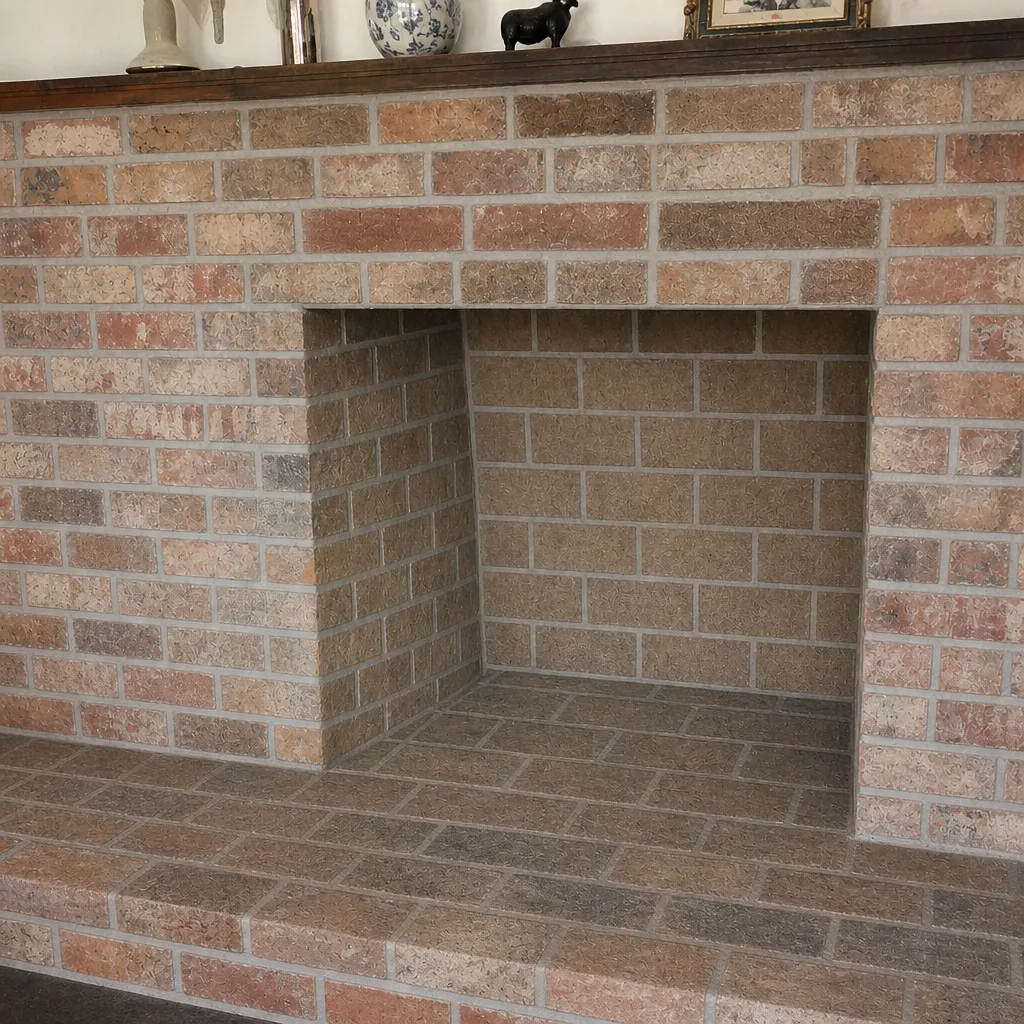
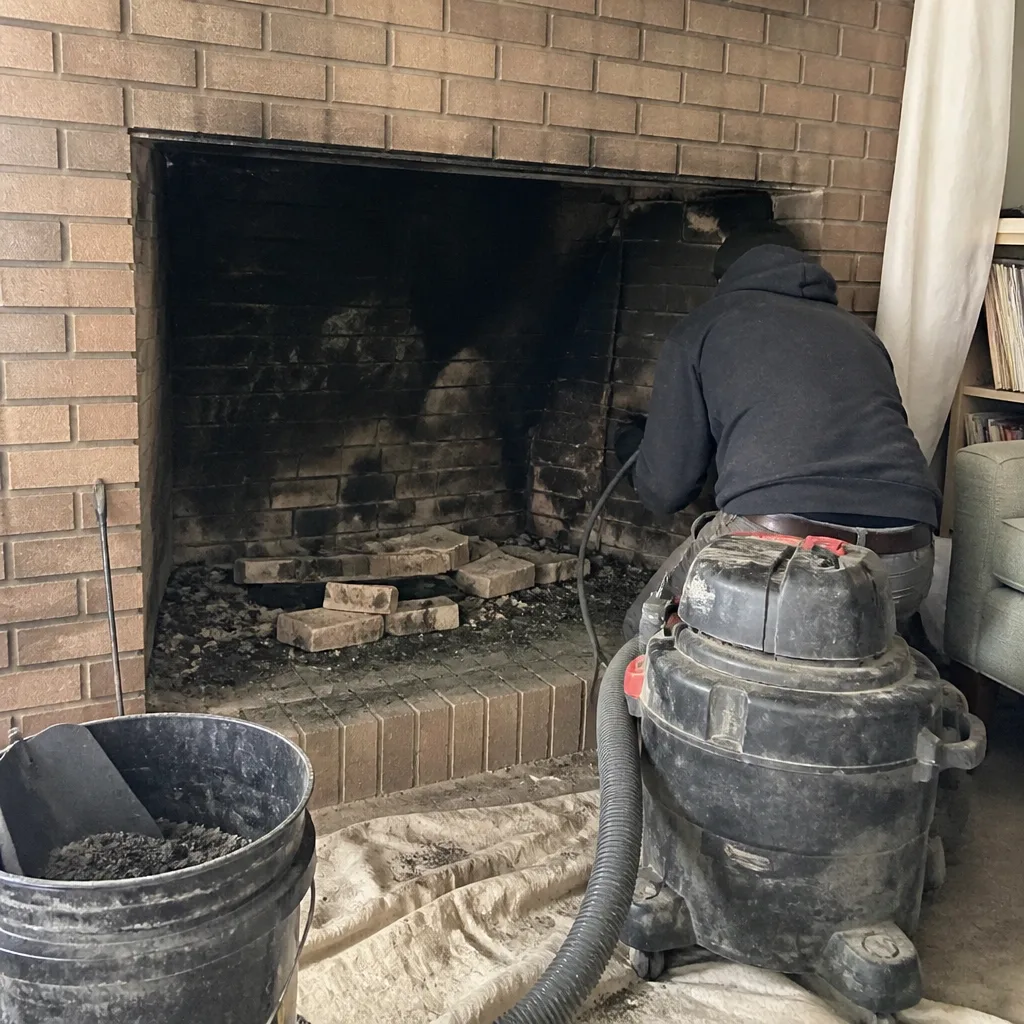
See the difference
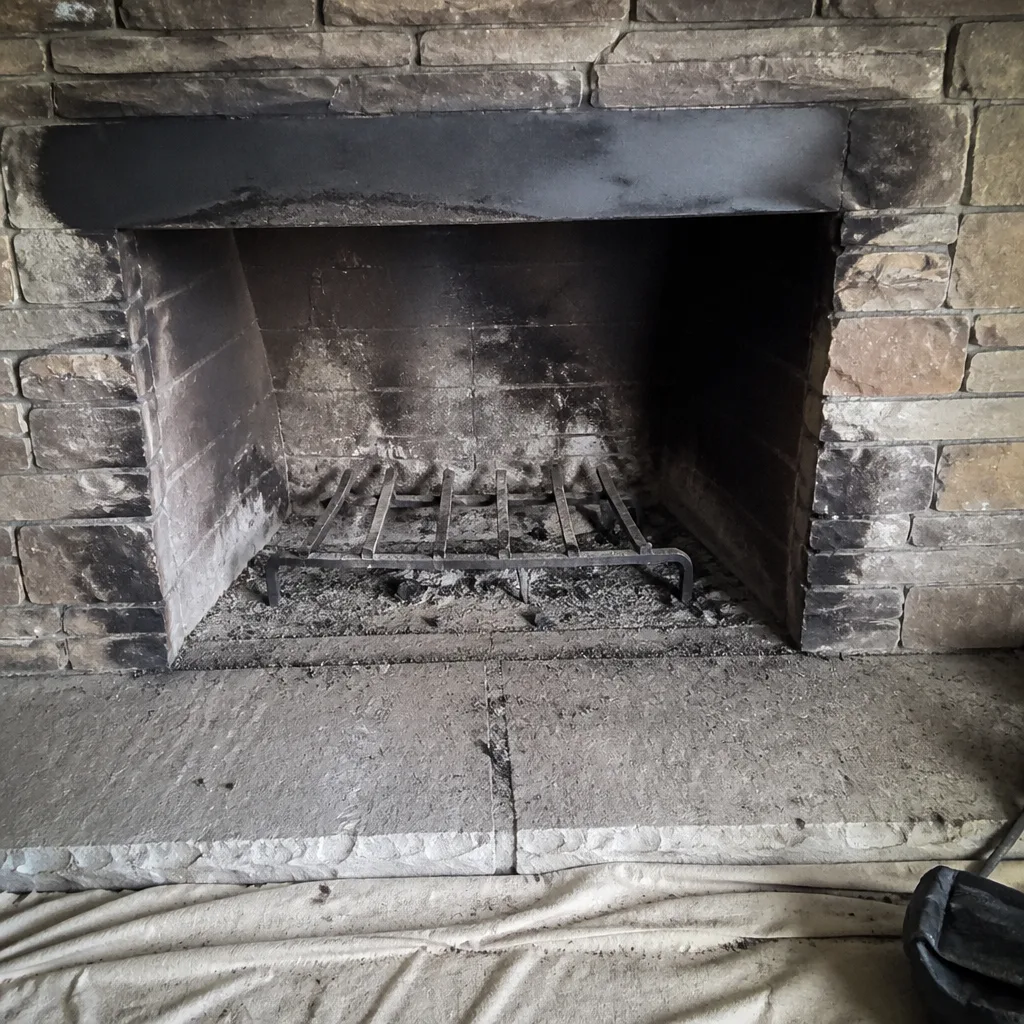 Before
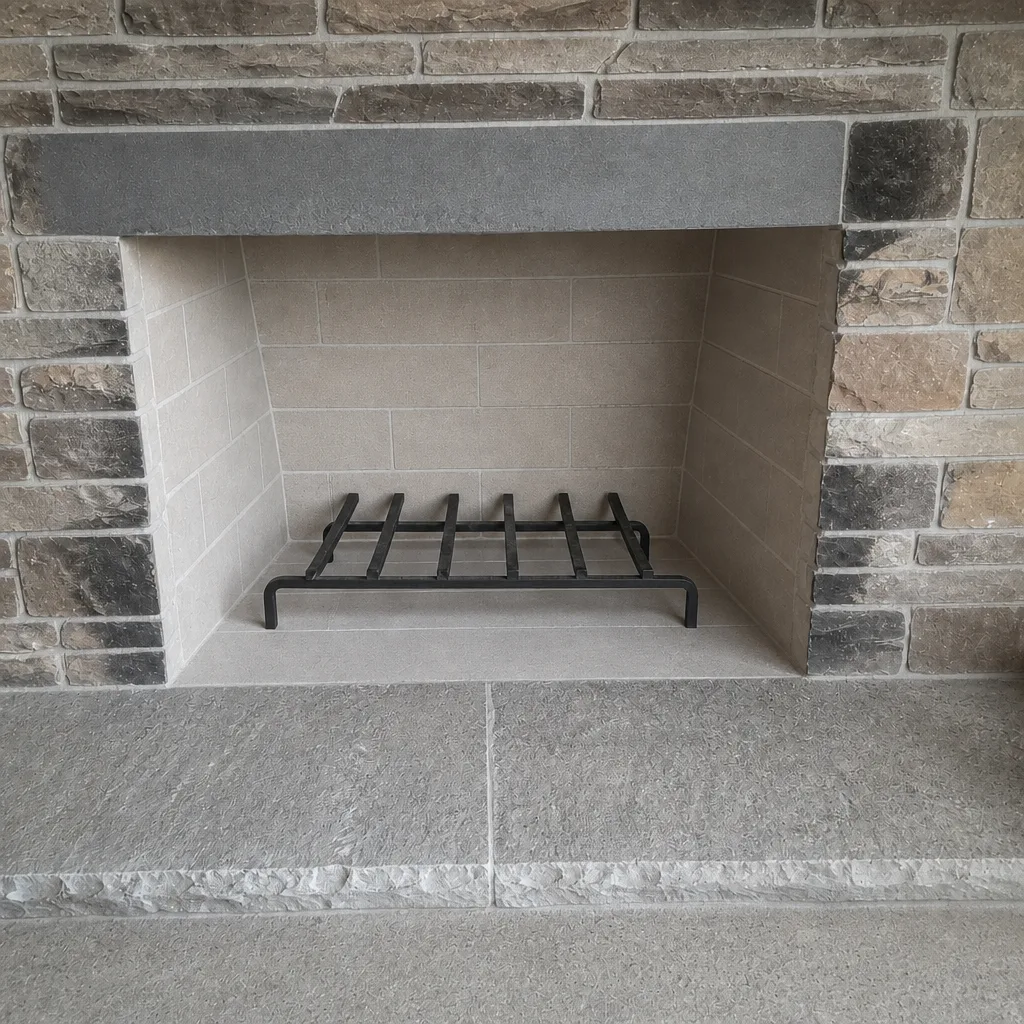 After
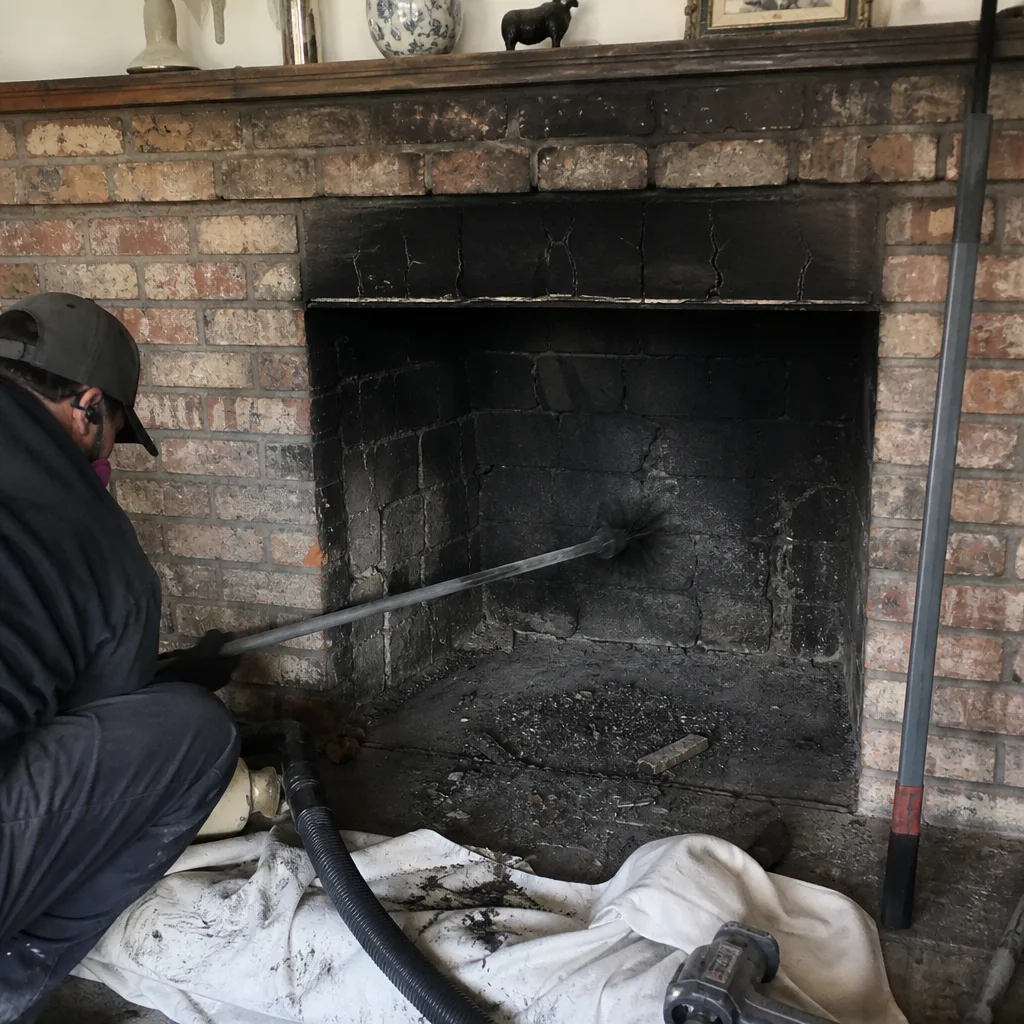 Before
 After
 Before
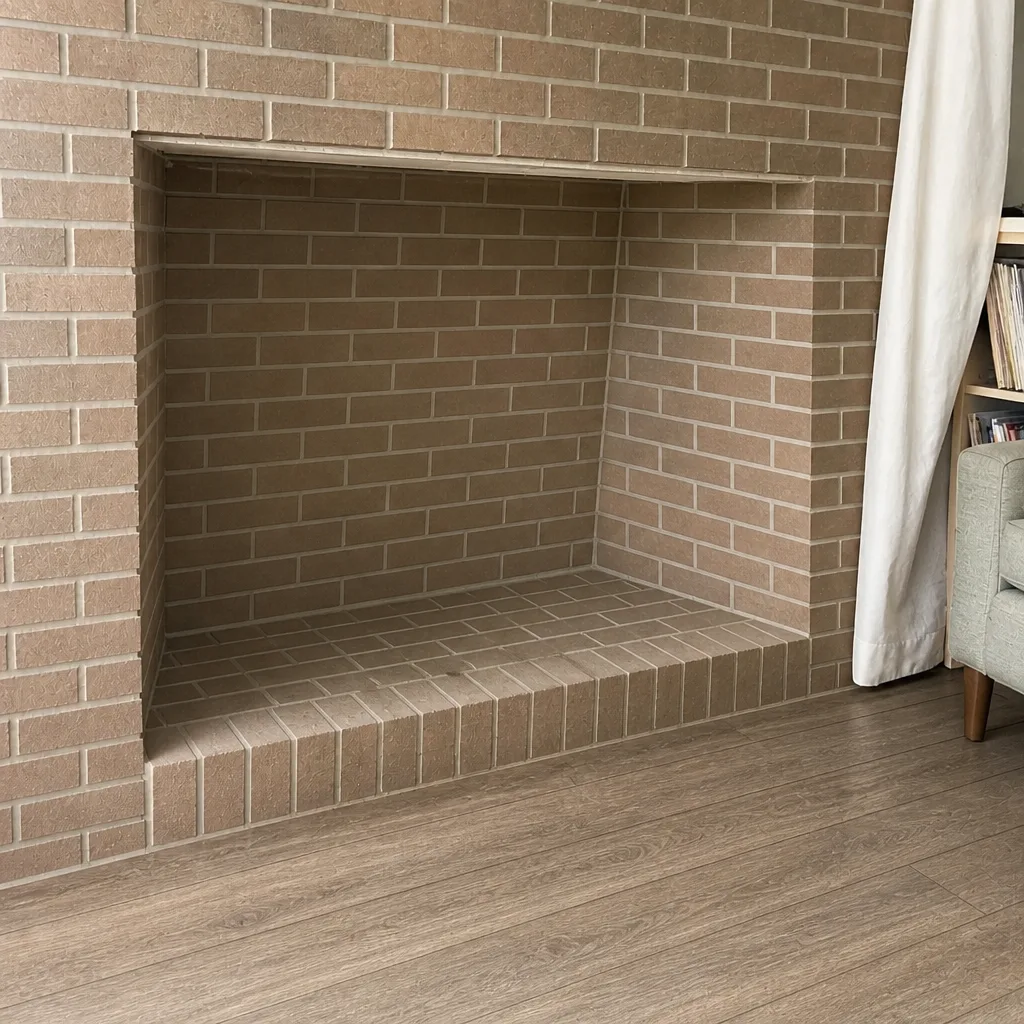 After
When to Call a Professional
Some things wait for the calendar and some don’t. Call us if you’ve had a chimney fire, if smoke backs into the room when you light a fire, if you notice a strong smell from the fireplace when it’s cold, or if your own ground-level check shows a cracked crown, missing cap, or visible spalling. Call if you’ve moved into a new home and don’t know when the last inspection happened, or if you’ve changed fuel type or installed a new insert. Forge Chimney Cleaning offers free estimates in Salt Lake City – call (833) 497-1153. Our technicians have up to 15 years of experience, and we use the same trade-grade materials top specialists rely on. A call that turns into “your system is fine, book the annual sweep in April” is a good outcome. We’d rather tell you that than sell you a liner you don’t need.
Frequently Asked Questions
Once a year for wood-burning fireplaces, and more often – every cord over two – if you burn heavily. Salt Lake City’s long burn season and freeze-thaw winters make the annual sweep plus a spring inspection the practical baseline. Call (833) 497-1153 for a free estimate on your specific system.
Yes, because the inspection isn’t only about what you burned; it’s about what the building did between seasons. Freeze-thaw damage in Salt Lake City happens whether or not you lit a fire. A brief annual inspection catches masonry and cap problems early, and it’s a lot cheaper than the repairs that follow if you wait. Call (833) 497-1153 to book.
A Level 1 is the standard annual check of readily accessible parts; a Level 2 adds a video camera inspection of the flue interior and is triggered by a change – new appliance, sale, or a chimney fire. Most Salt Lake City homeowners need a Level 1 annually and a Level 2 when something changes. We’ll help you figure out which one to book.
Skip the sweep, not the inspection. A gas fireplace produces little creosote, but its venting, seals, and components can fail quietly, which is the real risk. An annual inspection is how you catch it. Call (833) 497-1153 for a gas fireplace evaluation.
You don’t, reliably, from the outside. Third-degree creosote is glazed and hardened, and you typically can’t see it from ground level or even a look up the flue mouth. That’s why the scheduled sweep with a camera inspection matters. We show you the result rather than tell you the verdict. Call (833) 497-1153 for an appointment.
Sometimes nothing, and sometimes you give freeze-thaw damage and creosote buildup a full extra year to compound. The best way to know is the inspection, which tells you whether the system is fine or whether waiting was a mistake. We won’t recommend work you don’t need. Call (833) 497-1153 for a free estimate.
The Bottom Line
The annual sweep is your baseline, not your full plan. Build the year around three anchors: a September sweep before you burn, monitoring through the winter with the mid-season check if you’re a heavy user, and an April inspection that catches freeze-thaw damage while it’s still cheap to repair. Match the schedule to your fuel – wood burns dirtiest, gas fails quietly, pellets sit in between. Do the five-minute ground-level checks yourself and leave the roof and the flue interior to a trained technician. And when you need someone who sweeps, repairs, and restores with trade-grade materials instead of a sweep-and-leave visit, connect with the independent professionals we work with through Forge Chimney Cleaning in Salt Lake City. Add dryer vent cleaning to a spring visit and you’ve covered both overlooked fire hazards with one call.
Call (833) 497-1153 for a free estimate. We answer 24/7. Fast dispatch from 7am to 7pm, Sunday through Friday.
Written by the team at Forge Chimney Cleaning.