
Last updated November 14, 2026
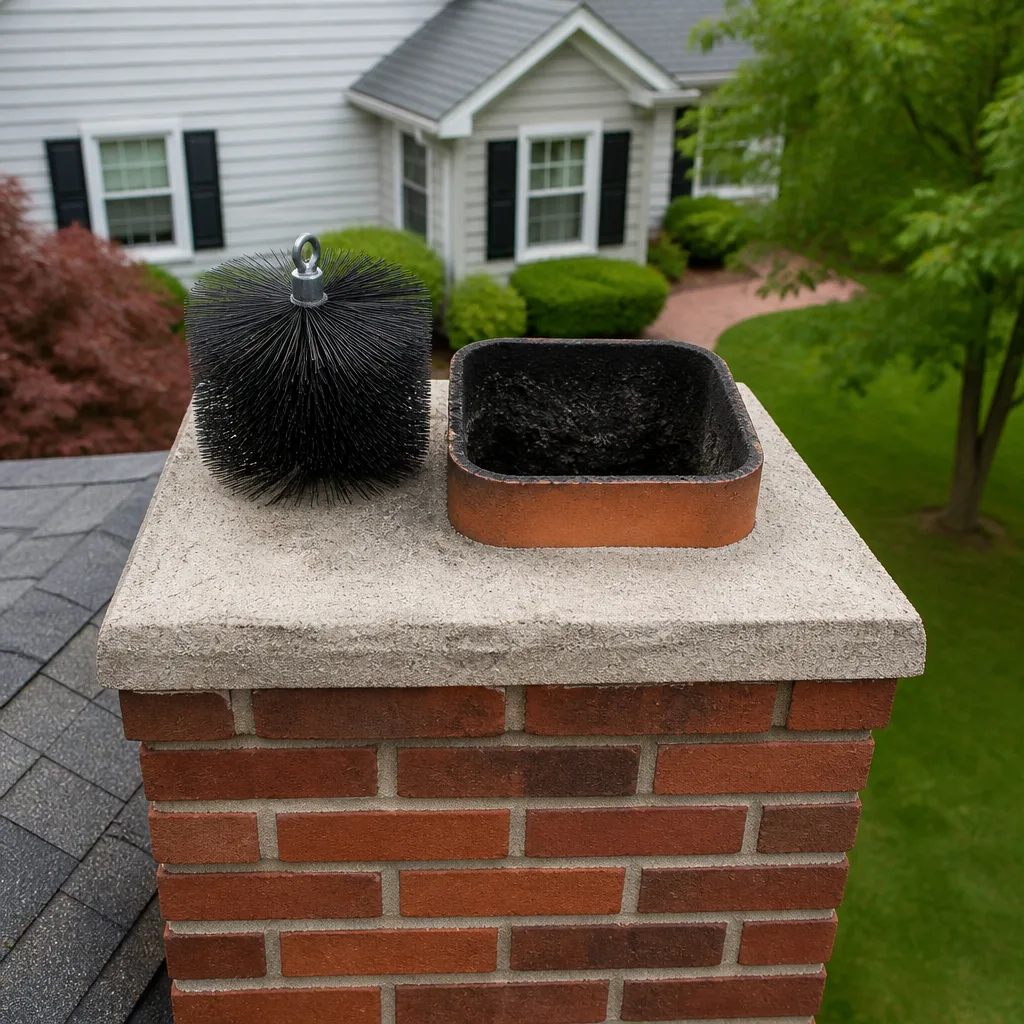 Sweep & inspection
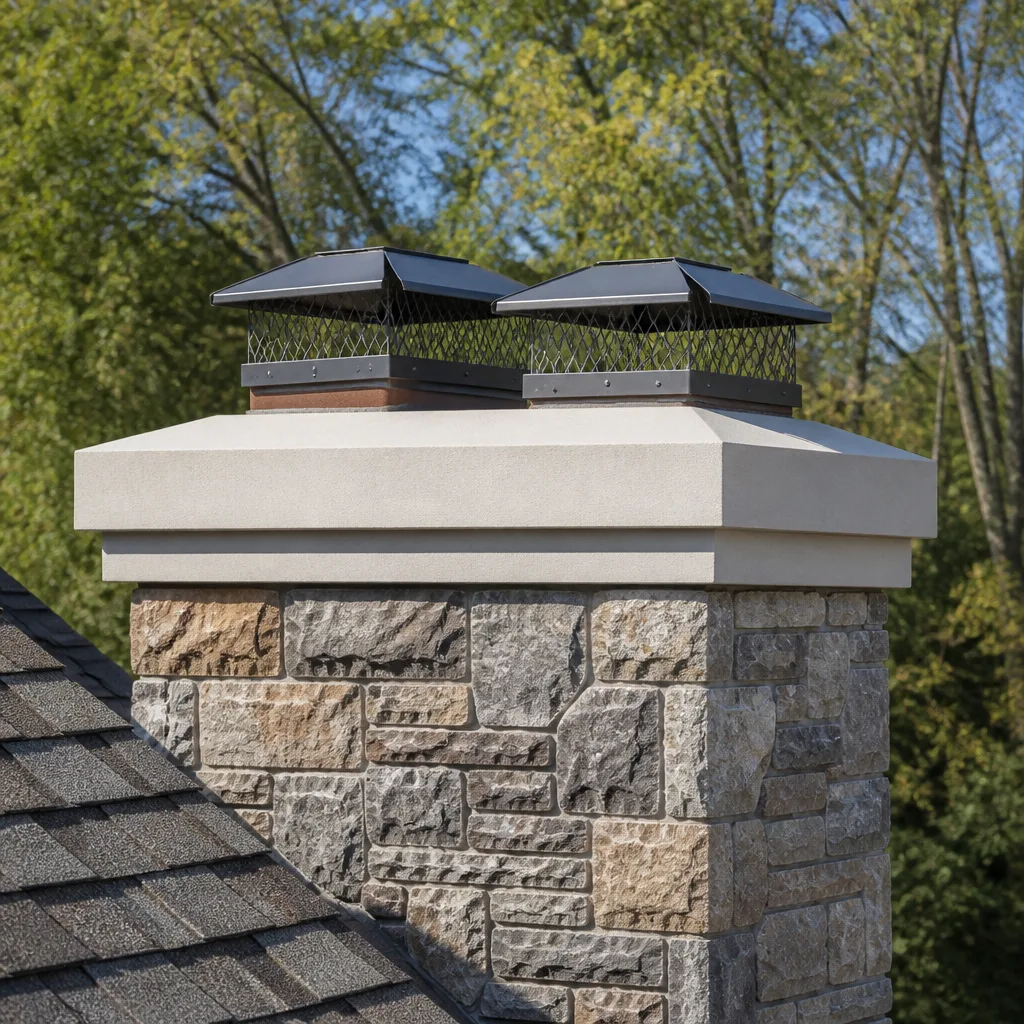 Caps & crowns
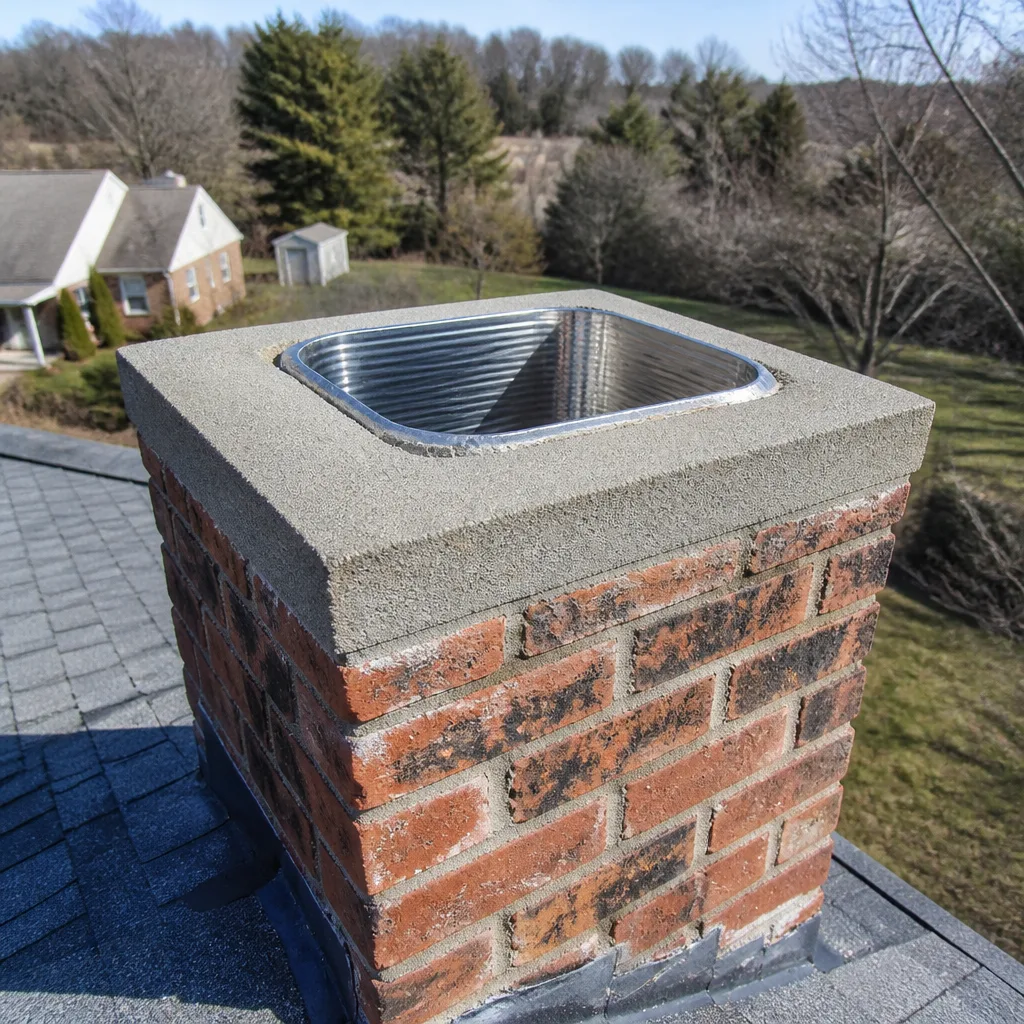 Flue relining
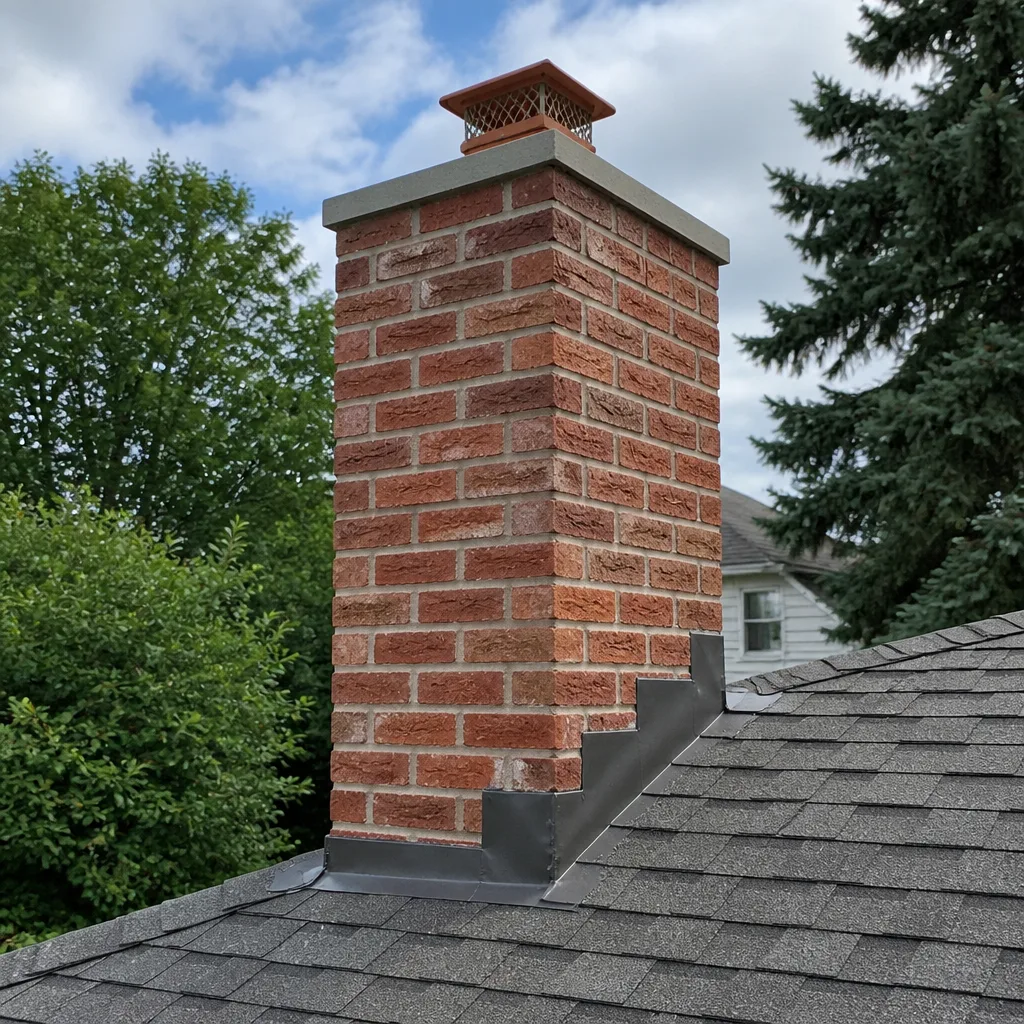 Masonry repair
 Gas fireplace service
Level 1 sweep and inspection to the NFPA 211 annual standard - flue, crown, cap, and flashing checked and photographed
Chimney sweep logs do not sweep chimneys. They loosen some creosote - which then falls where a brush and vacuum still have to collect it.
Chimney Cleaning Emergency Preparedness Guide for Salt Lake City Homes
Most chimney fires don’t announce themselves with visible flames. They burn inside the flue at temperatures over 2,000°F while the homeowner sits ten feet away assuming everything is fine. That’s the part people get wrong about chimney emergencies in Salt Lake City: the house stays quiet, the fire keeps crackling, and nothing looks like an emergency until it very much is one. This guide covers how to spot a chimney fire that’s already happening, what to do in the first minutes, what happens after the fire is out, and how to prep a Salt Lake City home before the season turns. You’ll finish knowing what the real warning signs sound and smell like, and what a technician will actually look for.
Quick Answer
If you suspect a chimney fire in Salt Lake City, get everyone out and call 911 first, then close the fireplace doors and cut off the air supply if you can do so safely without touching the damper. Do not close the damper on a fire you haven’t had inspected. After any suspected chimney fire, a Level 2 inspection before the next burn is non-negotiable, because the flue can crack or warp in ways you cannot see from the room. Salt Lake City emergencies cluster in November, when the first fire of the season meets a summer of creosote buildup, and again in January at the height of inversion-season burn frequency.
Styles & brands we work with
- Sweep & inspection
- Caps & crowns
- Flue relining
- Masonry repair
- Gas fireplace service
Table of Contents
- How chimney fires start in Salt Lake City homes
- How to tell if you have an active chimney fire right now
- The correct immediate response, step by step
- Why closing the damper is the wrong instinct
- After the fire: what a Level 2 inspection looks for
- Pre-season prep: the two things that actually reduce risk
- Talking to a technician after an event: repair vs. relining
- Inversion season and how it changes burn patterns
How Chimney Fires Start in Salt Lake City Homes
A chimney fire needs three things: creosote, heat, and oxygen. Creosote is the tar-like residue left behind when wood burns incompletely, and it builds up in layers along the flue walls. The first layer is soft and flaky. Keep burning and it turns glazed and hard, and glazed creosote ignites at lower temperatures than any of it should. When that third stage catches, you have a chimney fire.
Salt Lake City homes have a specific pattern here. Many were built with masonry fireplaces that see light, social use through the winter and nothing at all the rest of the year. That gap lets creosote sit and harden through spring and summer. Then the first cold snap hits, the homeowner lights the season’s first fire without a sweep, and the flue already has a full load of fuel waiting.
Wood choice matters more than people realize. Unseasoned wood, the kind sold wet and heavy, burns cool and smokes hard. Smoke is what deposits creosote. Salt Lake City sits in a valley where the fall often turns damp before the first hard freeze, and wet wood stacked outside in October doesn’t dry much before November. If your wood hisses when it burns, it’s still wet, and it’s leaving deposits behind.
The other factor is burn frequency. In Utah’s winter, the valley traps cold air and stove smoke near the ground, and burn days come and go. Homes that burn hard during an inversion and then stop for a stretch create temperature swings inside the flue that stress older masonry. That’s not a cause of chimney fire on its own, but it’s a reason old flues deserve a closer look before the season starts.
How to Tell If You Have an Active Chimney Fire Right Now
You probably won’t see flames from the room. You will hear, smell, or notice other things first. The signs below are the ones we walk homeowners through, and several of them get misread every season.
Sounds
- A low, rumbling roar, like a distant train or a jet passing overhead – creosote burning in the flue produces this
- Loud popping or crackling, more violent than the normal sound of a wood fire
- A sucking or whooshing sound, as air gets pulled hard up the flue
Smells
- A hot, acrid, chemical smell that isn’t quite wood smoke
- The smell of burning tar or asphalt, which is creosote combusting
Visual cues in the room
- Smoke in the room when the fireplace doors were closed
- The glass doors or stove door glowing hotter than usual
- Puffs of smoke escaping at the top of the firebox
Roof behavior (look from outside, never climb up)
- Thick black or dark brown smoke from the chimney, different from the pale smoke of a healthy fire
- Sparks or embers thrown above the chimney cap
- A visible shimmer of heat distortion above the chimney
- Flames visible at the top of the flue
If you see the roof cues, treat it as an active fire. Do not go onto a snowy Salt Lake City roof to check anything – height work in winter is how bystanders get hurt, and you can read all of these signs from the ground.
The Correct Immediate Response, Step by Step
What you do in the first two minutes matters more than anything else on this page. Follow this order.
- Get everyone out of the house. Don’t stay to watch the fire. Walk out the nearest safe exit and take pets with you.
- Call 911. Tell the dispatcher you suspect a chimney fire and give your address. Even a small fire can spread into framing inside a wall, and you cannot see that from the room.
- If you’re still inside and it’s safe, close the fireplace glass doors. Shutting the doors limits oxygen to the fire in the box. Do not try to shovel the fire out or throw water on it.
- Do not touch the damper. See the section below for why.
- Get to the street and wait for the fire department. Do not re-enter the house until they clear it.
- Do not use the fireplace again until it’s been inspected. This is the line people cross most often. A fire that looks extinguished can still have hot material inside the flue.
If the fire department confirms a chimney fire, they may check the flue with equipment and tell you the fire is out. That’s not the same as saying the chimney is safe to use. That’s a separate step, and it belongs to a certified technician.
Why Closing the Damper Is the Wrong Instinct
It feels right. Cutting off oxygen is how you put out a normal fire. But a burning chimney is not a normal fire, and closing the damper can make things worse in two ways.
First, the fire is already in the flue, above the damper. Closing the damper traps hot gases and creosote in the chimney itself instead of venting them up and out. Heat has nowhere to go but into the masonry, and that’s exactly the heat you’re trying to limit. Second, a sealed chimney can build pressure. In older masonry, that pressure finds cracks and gaps you didn’t know were there.
What to do instead: shut the glass doors on the firebox if you have them, get outside, and call for help. Leave the damper alone. Let the fire department or a technician direct anything involving the flue itself.
One exception, and it’s worth knowing: if you’ve had a chimney sweep confirm the flue is sound and you’re dealing with a small fire that has not spread past the firebox, the technician you call can walk you through that specific case. In a real emergency, however, the rule is the same. Don’t touch the damper, get out, call 911.
After the Fire: What a Level 2 Inspection Looks For
A Level 2 inspection is the standard after any suspected chimney fire, a change of fuel type, or a property sale. It’s the deeper inspection that goes beyond what you can see through the firebox opening. For a Salt Lake City home, this is the inspection you book before the next burn.
What a Level 2 looks for:
- Liner integrity. Cracks, spalling, and warp in clay tile or a steel liner. A crack here can let heat reach framing.
- Creosote condition. How much is left, how glazed it is, and whether it needs professional removal before the chimney can be relined or resurfaced.
- Joints and seams. Where sections of flue tile or liner meet, and whether they’ve opened up under the fire’s heat.
- Junctions. Where the chimney connects to the appliance, the stove pipe, and the surrounding structure.
- Exterior and crown. Cracking in the chimney crown and masonry that a fire may have worsened.
Our technicians have up to 15 years of experience and use a camera inspection alongside the flue scan. HeatShield resurfacing and DuraFlex liner systems are the trade-grade materials we specify for the repair side, and Gelco, Famco, Olympia Chimney, and Copperfield components handle the rest of the system. The point of a Level 2 is to know what’s actually there, not to guess.
Pre-Season Prep: The Two Things That Actually Reduce Risk
Most chimney fire risk prep is noise. You can trim your trees, tidy the hearth, check your smoke alarm, and those are good habits, but they’re not the two things that move the needle. These are.
- A professional sweep at the end of summer or start of fall. Before you light the first fire of the season, get the flue swept. A sweep removes the creosote that’s been sitting all summer. Doing it in late September or October means it’s done before the first cold snap, and if the sweep finds a problem, you have weeks rather than hours to fix it. Book a chimney sweep in Salt Lake City early – the November calendar fills up fast.
- Dry, seasoned firewood. Creosote comes from incomplete combustion, and wet wood burns cool. Buy or stack your wood by late spring if you can, keep it covered but open to air on the sides, and know how to tell a dry split from a wet one – dry wood is lighter, has cracked ends, and rings instead of thuds when you knock two pieces together.
Both items are unglamorous, and both directly affect creosote. Everything else – the screen, the ash bucket, the decorative log holder – is a distant second.
For homes in Salt Lake City with a dryer as well as a fireplace, the same logic applies to the vent. Lint buildup is one of the most common household fire hazards, and we cover it under dryer vent cleaning alongside chimney work. Two hazards, one visit, especially for busy households that put both off.
Talking to a Technician After an Event: Repair vs. Relining
Once the fire is out and the fire department has cleared the house, the conversation moves to what the fire did to the flue. Here’s what we cover with homeowners, and what to expect.
What damage looks like
- Spalling clay tile. The liner breaks into flakes or pieces. In a bad fire the tile can crack all the way through.
- Warped or buckled steel. A prefabricated metal liner that got too hot can deform and lose its clearance.
- Cracked exterior masonry. The chimney stack and crown can show new cracks after a fire.
- Glazed creosote left behind. A fire doesn’t always burn off the full deposit. Sometimes it turns what’s left into a harder glazed layer.
Repairable vs. relining
Minor cracks and surface damage may come back to spec with resurfacing, and HeatShield is the system we use for that – a repair-grade product that most sweep-only services don’t stock. A liner that’s cracked through, buckled, or missing in sections usually needs relining. That’s where DuraFlex flexible liner systems come in, a professional-grade relining solution sized to the flue. The call between the two comes down to the inspection, and the answer should be visible to you on camera, not just described to you.
Typical timelines
Resurfacing and relining are usually scheduled jobs, not walk-in fixes. In Salt Lake City, the busiest window for both is right after inversion season opens and again in early spring when people finally get around to that inspection they put off. Book as soon as you know what you need, and expect the written estimate to set the timeline.
Inversion Season and How It Changes Burn Patterns
Salt Lake City’s winter inversions are a local fact of life, and they change the way the whole valley burns wood. On inversion days, the valley traps cold air under a warm layer, wood smoke and vehicle exhaust pool near the ground, and burn advisories or restrictions come and go. That has two effects worth planning for.
First, people burn harder on the days they’re allowed to burn, and burn nothing on the days they aren’t. That creates the stop-start pattern described earlier, which stresses old flues. Second, people tend to close down their air controls to slow the burn when they want the fire to last, and a smoldering fire is exactly the fire that makes the most creosote. A fire that looks calm and steady from the room is often the dirtiest fire in the flue.
For a Salt Lake City household, the practical takeaway is this: on the days the valley allows a burn, burn hot and clean. Don’t bank the fire and let it smoke all night. And get the sweep in before the inversion season starts, so the flue is clear when the burn days begin.
Common Mistakes to Avoid
- Lighting the first fire of the season without a sweep. A summer of sitting doesn’t improve a flue, and November is when most Salt Lake City chimney emergencies happen because of it.
- Closing the damper on a burning flue. It feels like putting out a fire, and it actually traps heat and pressure inside the chimney.
- Using the fireplace again after a fire “because it looks fine.” Fires don’t leave visible damage in the room. They leave it inside the flue.
- Burning wet or green wood. It’s the single biggest creosote contributor in any home, and the damp Salt Lake City fall makes wet wood hard to spot by look alone.
- Skipping the inspection because the fire department said the fire was out. “Out” and “safe to use” are two different statements from two different people.
- Assuming any sweep service can handle a post-fire repair. Sweeping and relining are different scopes, and sweep-only services usually can’t do the second. Ask what the technician is certified and equipped to do.
- Ignoring the dryer vent because the chimney is the “real” concern. Lint is a fire hazard on its own, and the same visit can address both.
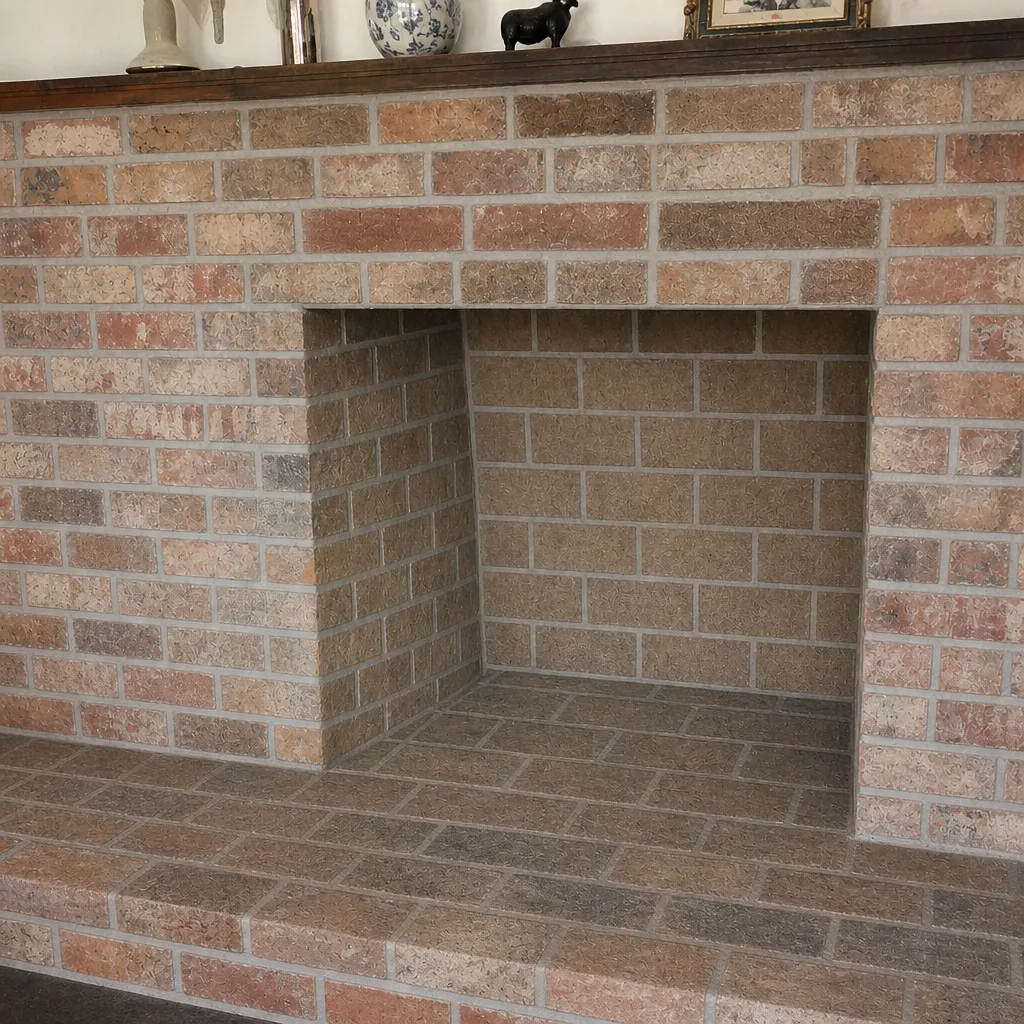
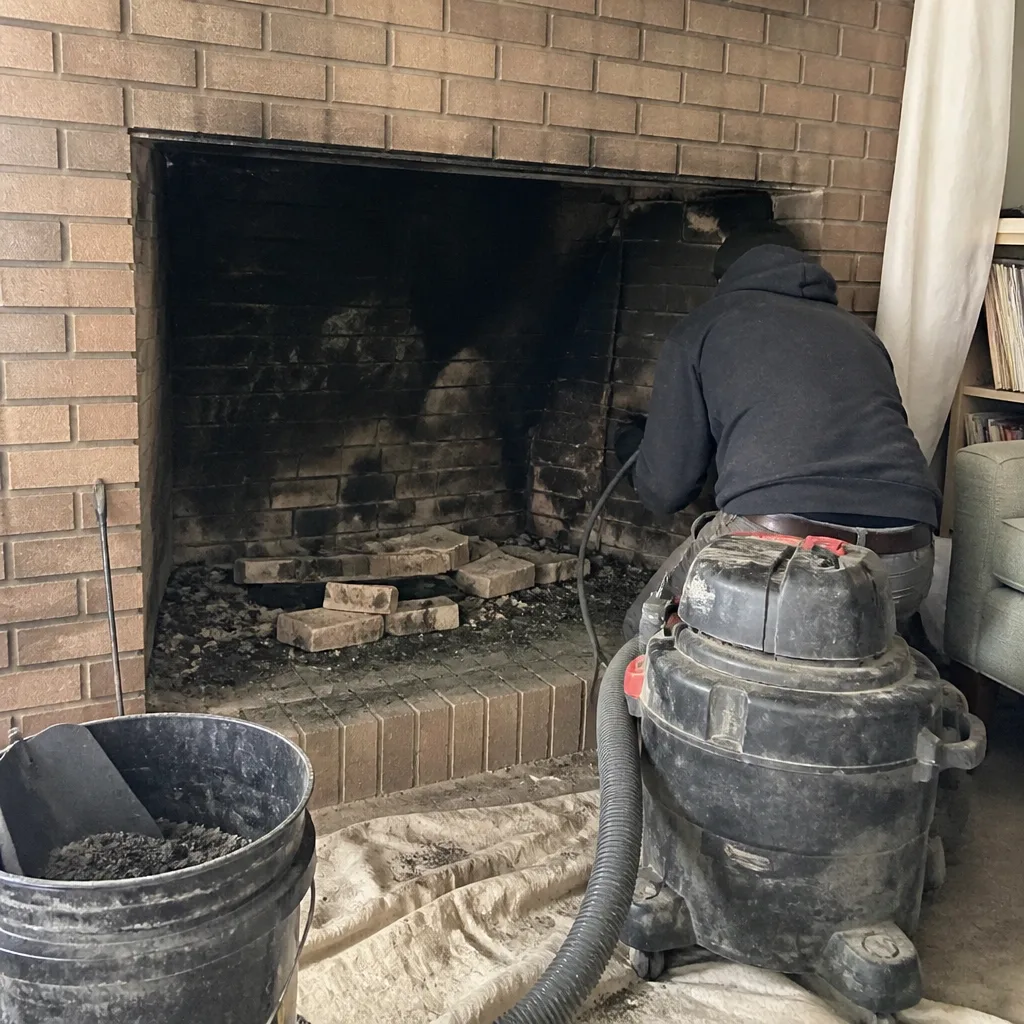
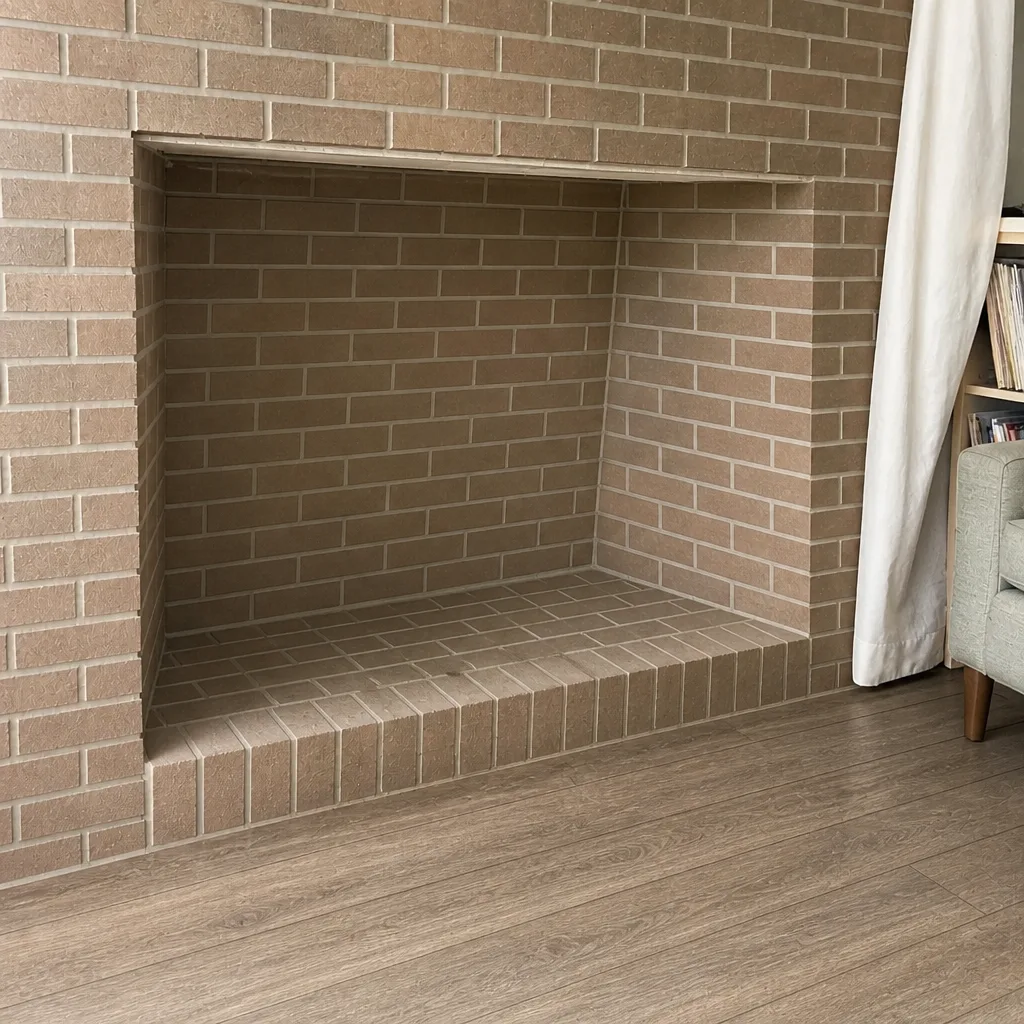
See the difference
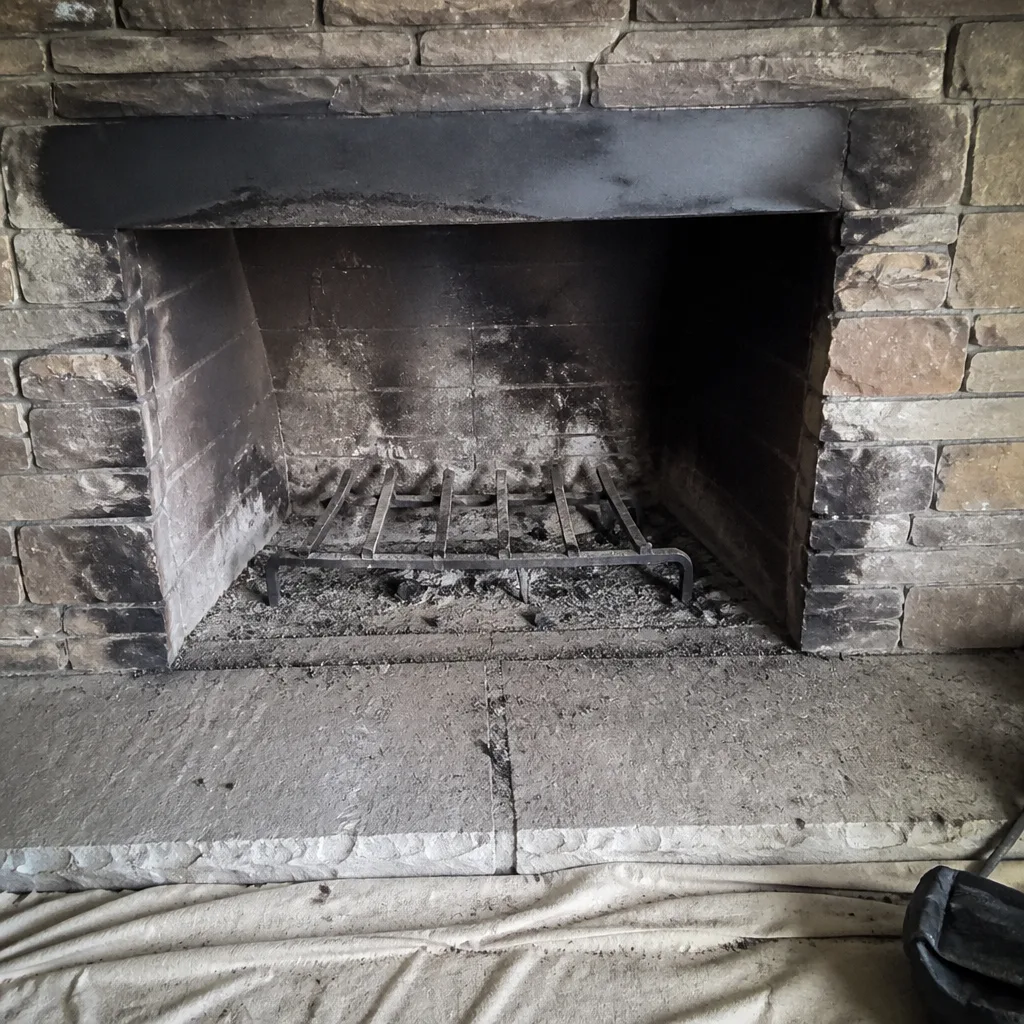 Before
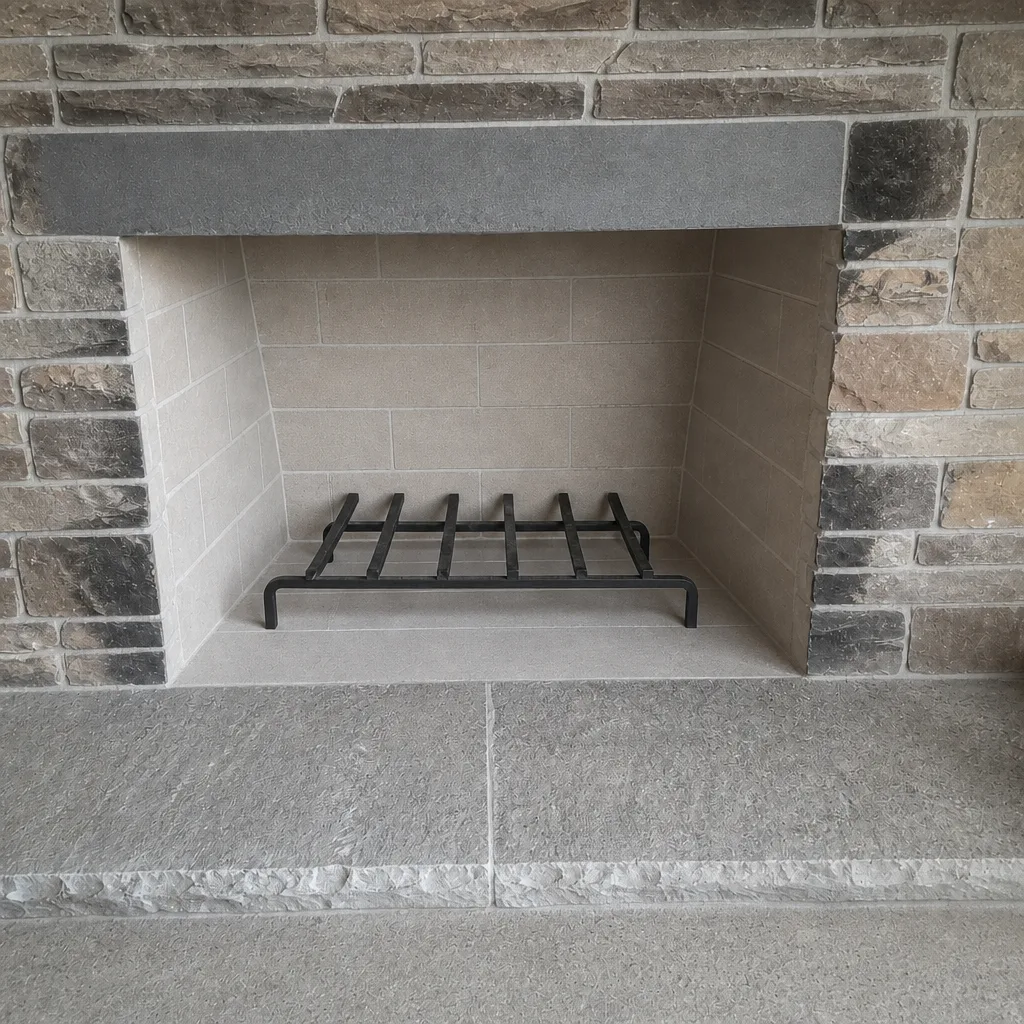 After
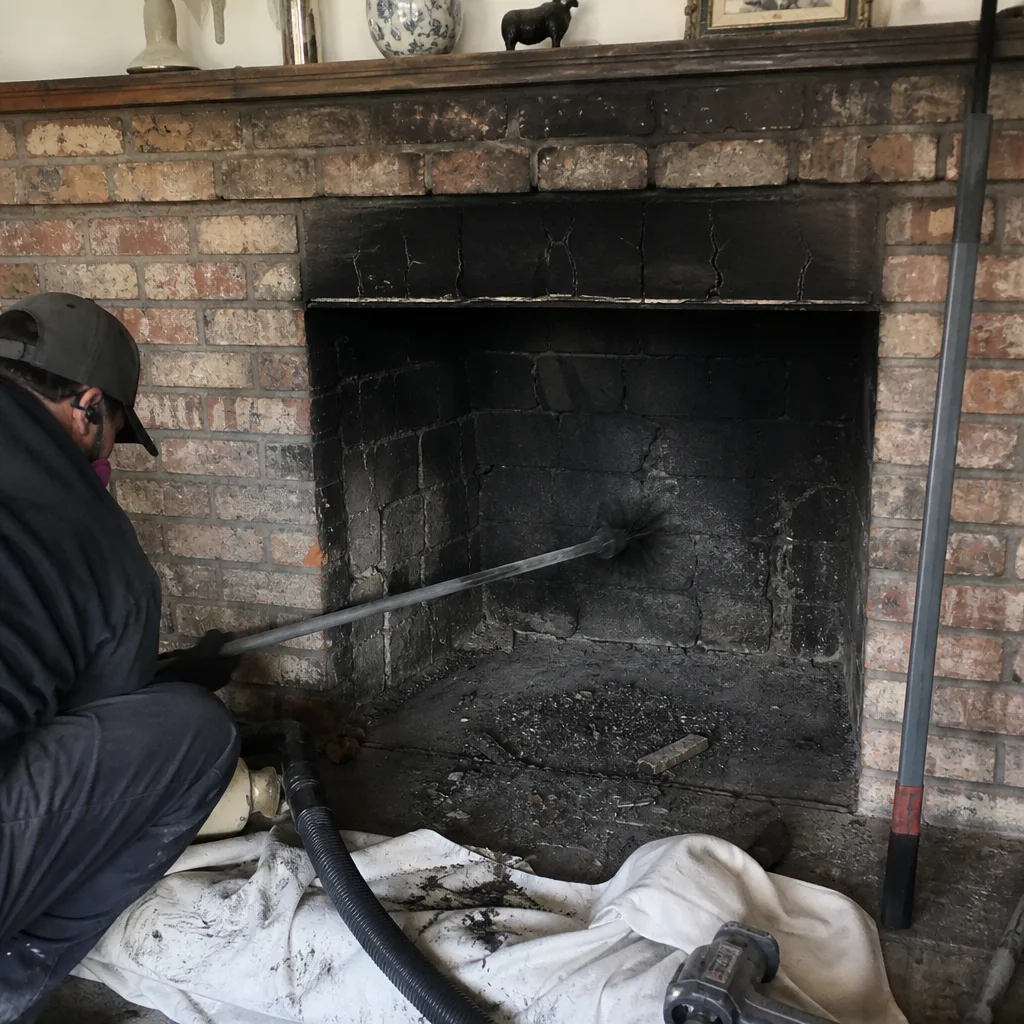 Before
 After
 Before
 After
When to Call a Professional
Call a professional the moment you suspect a fire in the flue, and call before your next burn if any of these apply:
- You heard rumbling, roaring, or popping from the chimney
- You saw dark smoke, embers, or heat shimmer above the chimney from outside
- The fire department responded to a chimney call
- The flue hasn’t been swept in over a year
- You’re burning wood that’s still wet
- You notice staining, cracks, or crumbling on the chimney exterior
- You’re changing fuel type or moving into a home you haven’t inspected
Forge Chimney Cleaning offers free estimates in Salt Lake City – call (833) 497-1153. We answer 24/7. Fast dispatch from 7am to 7pm, Sunday through Friday. Our technicians have up to 15 years of experience, and we bring the same trade-grade materials – DuraFlex, HeatShield, Gelco, Olympia Chimney, Copperfield, Famco – that specialists across the country use.
Frequently Asked Questions
You usually know from sound and smell rather than sight. A roaring, popping, or sucking sound from the flue, a chemical or tar-like smell, or dark smoke and embers at the top of the chimney are the standard signs. If you noticed any of those, book a Level 2 inspection before you use the fireplace again. Call (833) 497-1153 for an exact scope and estimate – estimates are free.
No. “Out” means there’s no active fire; it doesn’t mean the flue is sound. The fire may have cracked tile, warped a metal liner, or left glazed creosote behind. A certified technician needs to look at it before your next burn. Book a chimney sweep with an inspection attached and get a camera report you can see for yourself.
Because the fire is above the damper, not below it. Closing the damper traps hot gases and pressure inside the chimney instead of venting them, which sends heat into the masonry and into cracks it can open up. The right move is to get out, call 911, and leave the damper alone.
At least once a year, and more often if you burn frequently during the winter. Inversion-season burn patterns create more creosote, and the damp fall makes wet firewood common. A professional sweep before the first fire of the season is the standard recommendation, and it fits the Salt Lake City calendar better than a mid-summer sweep.
Often, no – but the answer depends on the inspection. Cracks that don’t go through the liner can sometimes be resurfaced with HeatShield. A liner with a through-crack, a buckle, or a missing section usually needs a full reline with a DuraFlex system. The choice between repair and relining should be visible to you on camera, not just described to you, and the written estimate sets the final price. Call (833) 497-1153 to get a technician out and look.
Yes, and it’s worth scheduling. Lint buildup is a fire hazard on its own, and the same visit that handles the chimney can include dryer vent cleaning. Homes with both hazards pending get the most out of one appointment, and it closes a gap that most families never think to check.
The Bottom Line
The chimney fire that catches most homeowners off guard is the one that never looks like a fire. Rumbling, popping, tar smells, and dark smoke above the chimney are the signals to act on, and in Salt Lake City those signals cluster in November and again in January. Get out, call 911, and leave the damper alone. After the fire department clears the house, book a Level 2 inspection, and expect that the answer may be a report you can see on camera and a decision between resurfacing and relining. Then get ahead of the next season with a sweep in late summer or early fall, dry wood, and the understanding that a fire that’s out isn’t the same as a fire that’s safe. For Salt Lake City homes, that order of operations is the whole guide in one line: prep before the fire, act during it, verify after it.
Call (833) 497-1153. We answer 24/7. Fast dispatch from 7am to 7pm, Sunday through Friday. For Chimney Sweep, Chimney Repair, and Dryer Vent Cleaning in Salt Lake City, the team at Forge Chimney Cleaning is ready to talk through your flue.
Written by the team at Forge Chimney Cleaning.