
Last updated November 14, 2026
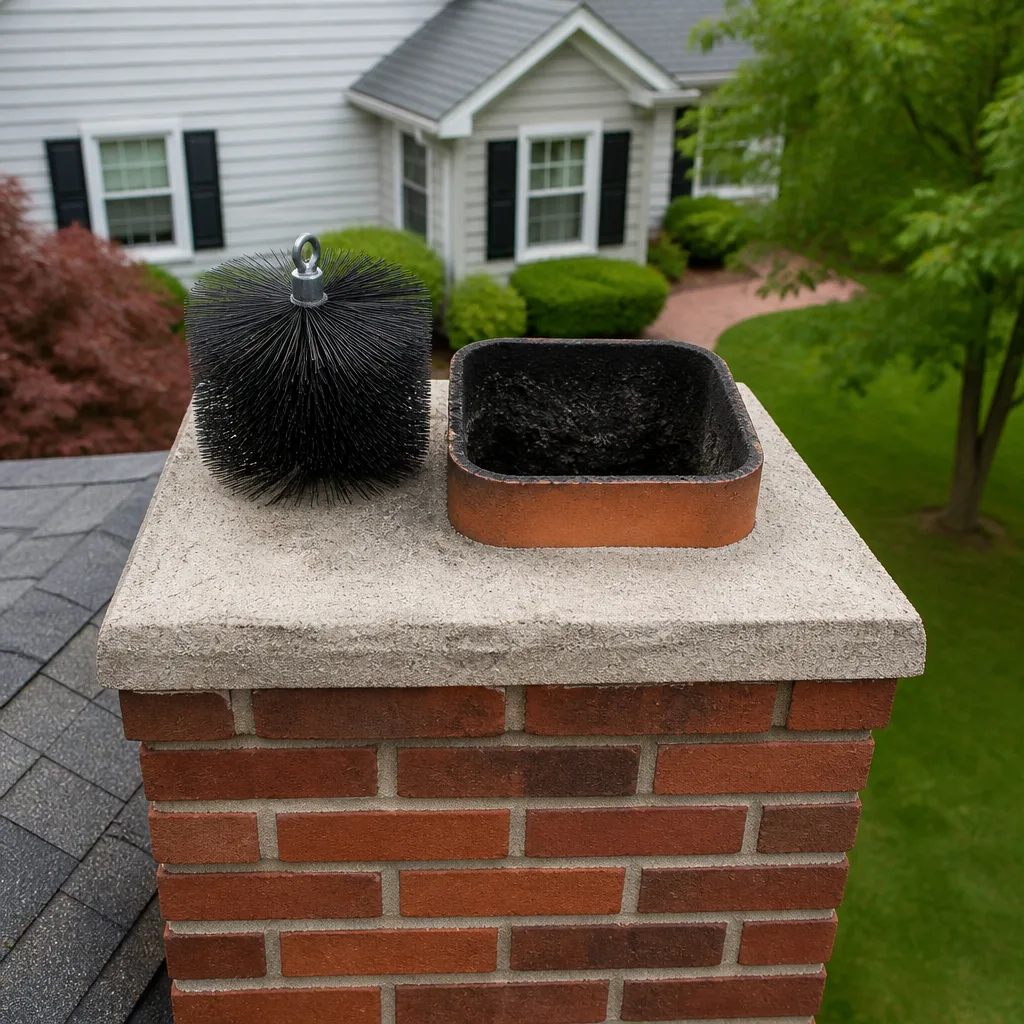 Sweep & inspection
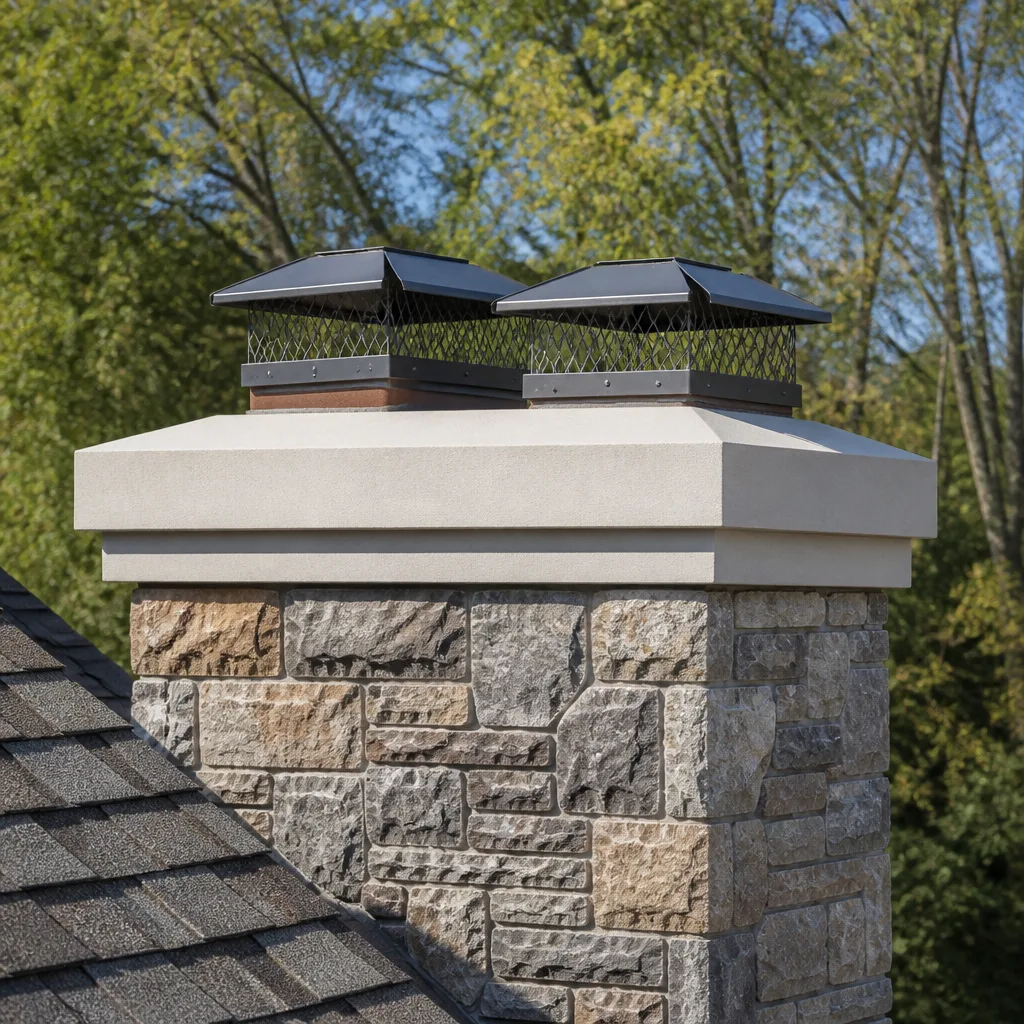 Caps & crowns
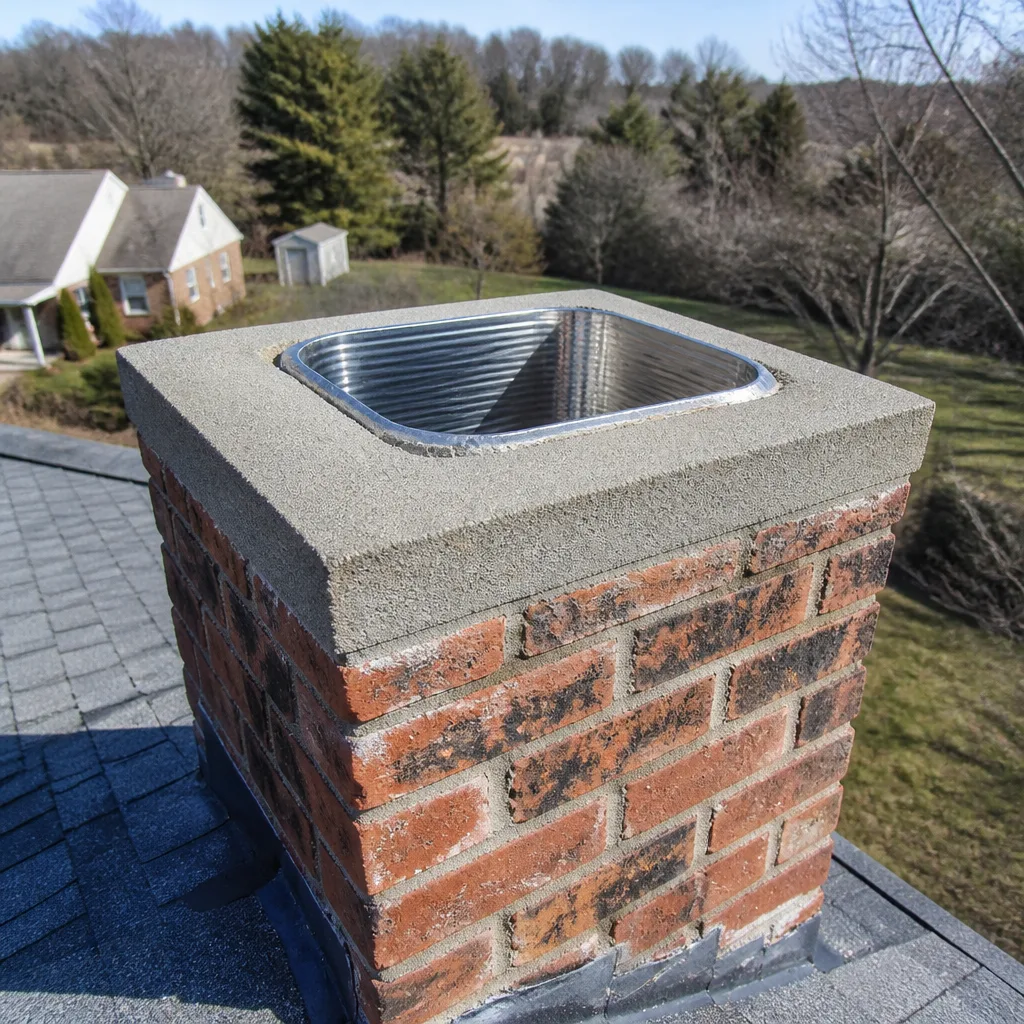 Flue relining
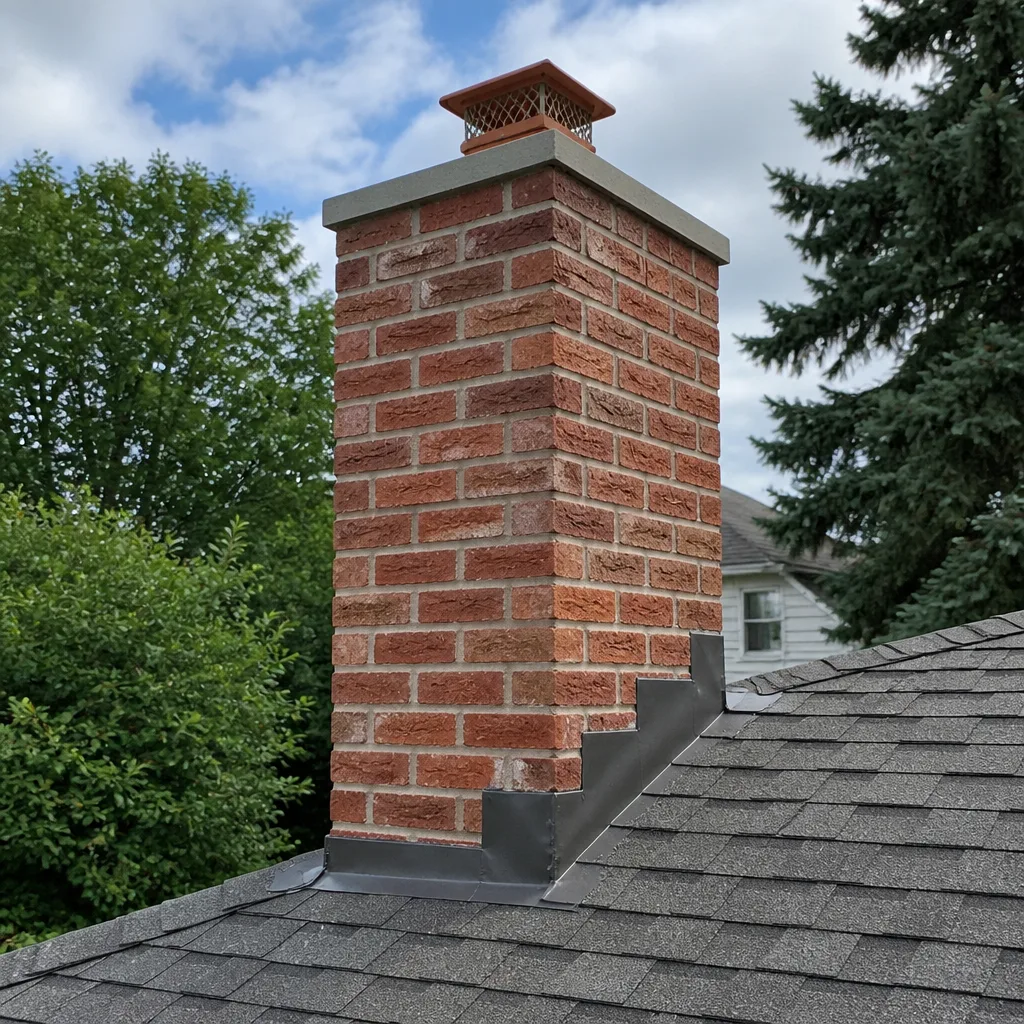 Masonry repair
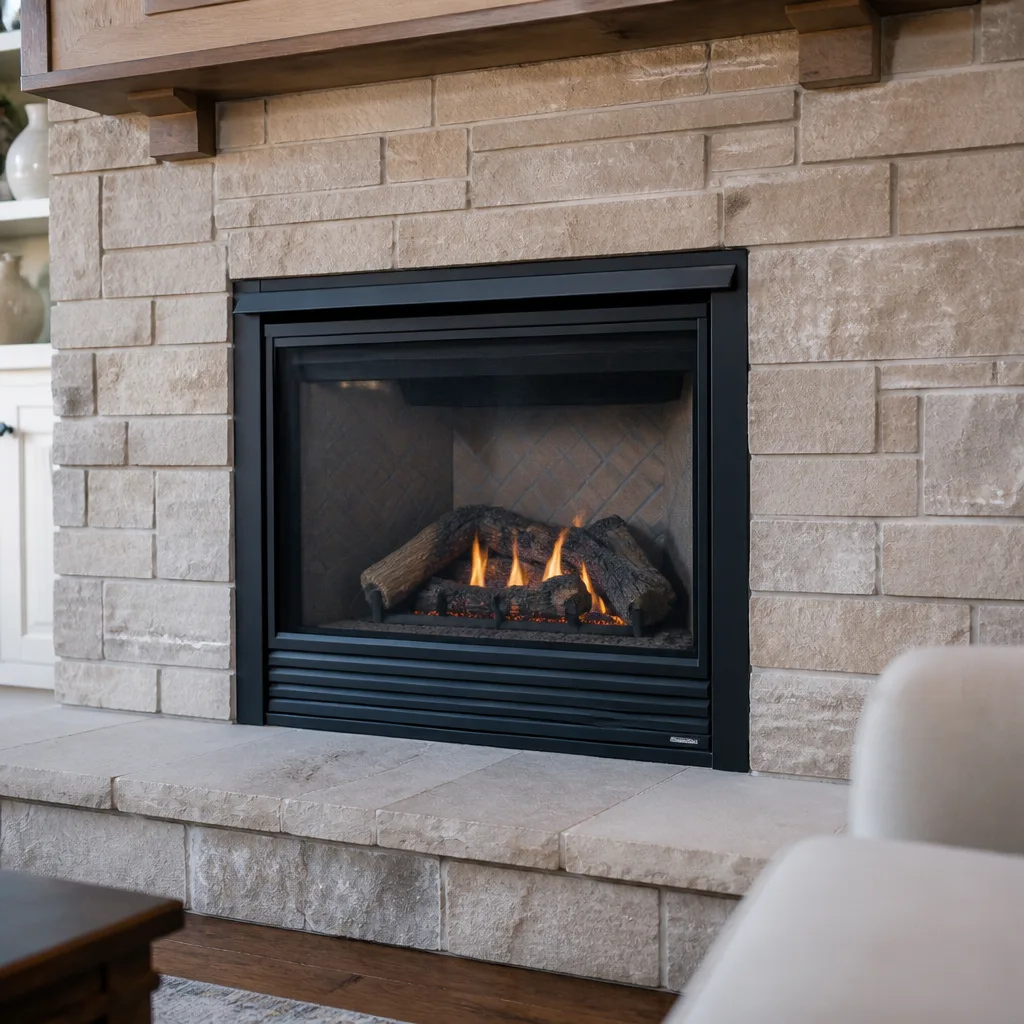 Gas fireplace service
Level 1 sweep and inspection to the NFPA 211 annual standard - flue, crown, cap, and flashing checked and photographed
Chimney sweep logs do not sweep chimneys. They loosen some creosote - which then falls where a brush and vacuum still have to collect it.
How to Hire a Chimney Cleaning Contractor in Salt Lake City: A Step-by-Step Guide
CSIA certification is the floor, not the ceiling. Most homeowners stop vetting the moment they see that credential on a website, and that’s exactly where the wrong hire slips through. A certified sweep can still be a sweep-only outfit that cleans around problems instead of diagnosing them. In Salt Lake City, where wood burning is a genuine part of winter life and the valley traps smoke in a temperature inversion, the difference between a diagnostic professional and a quick-clean crew matters more than most people realize. This guide walks you through the questions, the documents, and the red flags that separate the two, step by step, so you book the right contractor the first time.
Quick Answer
To hire a chimney cleaning contractor in Salt Lake City, verify current CSIA or equivalent trade certification and liability insurance in writing, ask whether the company inspects and repairs liners or only sweeps, and insist on a written inspection report with photos before any repair is quoted. A professional diagnoses your flue with a camera and documents what’s inside it. A sweep-only crew cleans and leaves, and you won’t know the difference until the next heating season.
Styles & brands we work with
- Sweep & inspection
- Caps & crowns
- Flue relining
- Masonry repair
- Gas fireplace service
Table of Contents
- What certifications and insurance should a Salt Lake City chimney contractor carry?
- The five questions that reveal a diagnostic professional
- How to read a chimney inspection report
- Why the materials tell you how the job will go
- Red flags in a chimney cleaning quote
- Salt Lake City climate, wood burning, and what it means for your flue
- The dryer vent: the second fire hazard in the same visit
- Common mistakes to avoid
What certifications and insurance should a Salt Lake City chimney contractor carry?
A chimney contractor working in Salt Lake City should carry current certification from a recognized chimney trade body and hold active general liability insurance. If the company also does repair and relining work, workers’ compensation coverage matters too, since anyone on your roof or inside your firebox is exposed to real risk. Ask for proof of both, in writing, before the appointment. A contractor who hesitates on that request is telling you something.
The certification piece deserves a closer look. CSIA certification is the credential most homeowners recognize, and it’s a reasonable baseline. But certification is a floor. It confirms someone passed an exam and follows a code of practice; it doesn’t tell you whether the company owns a camera, whether they can resurface a damaged flue, or whether they’ll hand you a real report or a checkbox form. Utah doesn’t license chimney sweeps the way it licenses electricians or plumbers, so the burden of vetting falls on you. That’s the gap this guide is built to close.
Here’s what a complete credential check looks like:
- Trade certification: CSIA certification, current and verifiable, for the technician who will actually do the work.
- General liability insurance: ask for a certificate of insurance naming the coverage limits. Confirm it’s current, not expired.
- Workers’ compensation: if a technician is injured at your home, this protects you as the property owner.
- Written scope of work: the quote should state exactly what’s included, from the sweep to the camera inspection to the report.
What’s missing from most contractor websites is most of that list. Many post a certification badge and nothing else. No insurance details, no scope language, no mention of whether they repair liners or only clean them. Treat that absence as information. A company that can produce all four items on request, without friction, is far more likely to do the job the way it should be done.
The five questions that reveal a diagnostic professional
You can learn most of what you need to know in a five-minute phone call. These five questions cut through marketing language and show whether a company diagnoses problems or just cleans around them. Ask them before you book, and listen to how specific the answers are.
- “Do you run a camera down the flue, and will I get photos in the report?” A diagnostic contractor uses a camera to look at the liner, the smoke chamber, and the joints above the firebox. If the answer is vague or the report is a checklist, you’re talking to a sweep-only operation. A professional answers this one in a sentence, with details.
- “Do you do repair and relining, or only sweeping?” Plenty of companies sweep and then subcontract or refer repair work out. That split means no one owns the diagnosis. Ask whether the company installs flexible liners and resurfacing systems directly, and named product systems like DuraFlex or HeatShield are a good sign of trade-grade capability.
- “What does the inspection cover beyond the flue?” A real inspection includes the firebox, damper, smoke chamber, cap, crown, and the exterior of the chimney. The smoke chamber is the most commonly skipped part, and it’s where creosote collects and glaze forms.
- “What’s included in the flat price, and what would trigger an additional charge?” You want a flat price agreed before the sweep, including the camera inspection and report. Vague pricing that shifts once the technician is on site is a red flag, not a formality.
- “If you find a problem, will you tell me whether work can safely wait?” A trustworthy contractor will plainly say when a repair can be scheduled for the off-season and when it genuinely can’t wait. A company that finds expensive problems on every visit is selling, not diagnosing.
Write the answers down. Comparing three companies on paper is easier than trying to remember which one hedged on the camera question. For homeowners who want the sweep itself done right, our own chimney sweep page lays out what a thorough visit includes, from the drop cloths to the photo report.
How to read a chimney inspection report
A detailed chimney inspection report includes photos of the flue interior, a description of what was found, and a clear recommendation with the reason behind it. A checkbox form handed to you at the door includes none of those things. The difference matters because you can’t see inside your own chimney, and you shouldn’t have to take anyone’s word for what’s up there. The report is your evidence.
Here’s what to look for when you read one:
- Photos of the actual liner: images of the flue interior, including any cracks, gaps in the joints, or glazed creosote. If there are no photos, there’s no proof.
- Words, not boxes: a written description of what was found, not just checkmarks next to categories.
- The smoke chamber and damper: these should be addressed. A report that only mentions the flue is incomplete.
- The cap and crown: exterior components that fail and let water in. Check whether they were looked at.
- A recommendation with a reason: “recommend relining because the liner has visible gaps at the joints” tells you something. “Recommend relining” alone doesn’t.
Ask the technician to show you the photos on the spot and explain what you’re looking at. Good contractors welcome this. They’d rather you see the evidence than trust a line item on a bill. If a recommendation comes without a photo you can look at, don’t approve the work. Nothing should be scheduled off a document you can’t interpret. That’s true whether you’re in the Avenues, in Sugar House, or out on the west side. Local architecture varies, but the standard for proof doesn’t.
Why the materials tell you how the job will go
The materials a chimney contractor uses are a reliable proxy for overall job quality. Brush quality, liner sealants, resurfacing systems, and cap brands all reveal where a company spends its money, and companies don’t spend on trade-grade products if the rest of the operation is cut-rate. A crew that shows up with generic supplies and off-the-shelf components is telling you how they think about every other part of the job, including the parts you can’t see.
Here’s how to read the signals:
- Flexible liners: professional relining systems like DuraFlex are engineered for the bend and airflow of a real flue. Generic flexible liner from a hardware store is not the same product.
- Resurfacing systems: HeatShield is a specialist flue-resurfacing product, and it’s the kind of repair capability most generalist cleaners simply don’t offer. Certified familiarity with it signals a repair-grade operation.
- Components: brands like Gelco, Famco, Olympia Chimney, and Copperfield are professional supply-chain names. When a contractor specifies them, they’re buying the way chimney specialists buy, not patching with whatever’s on a shelf.
- Brushes: the right brush for the flue type, sized to the liner, not a one-size-fits-all poly brush.
At Forge Chimney Cleaning, we specify DuraFlex, HeatShield, and Copperfield because the pros do. Trade-grade materials aren’t a marketing flourish; they’re the difference between a repair that holds through a Salt Lake City winter and one you’re back to re-examining next fall. Your flue is only as reliable as the hands and materials behind it. When you interview contractors, ask what systems they install. A company that can name the products and explain why it chose them has thought about this. A company that can’t hasn’t.
Red flags in a chimney cleaning quote
A chimney cleaning quote should include the flat price for the sweep, the camera inspection, and the written report, all agreed before anyone shows up. A suspiciously low bid is almost always skipping something, and the thing it skips is usually the inspection. If you’re comparing bids, compare what’s inside them, not just the number at the bottom.
Watch for these:
- No camera inspection included: the most common omission in cheap quotes. You get a swept flue and no idea what condition the liner is in.
- No written report: if the deliverable is a verbal summary, you have nothing to compare against next year, and nothing to verify.
- Price that moves once the technician is on site: the flat price should be agreed before booking. Add-ons that appear after arrival are a pressure tactic, not a discovery.
- A quote with no line items: you should be able to see what you’re paying for. Sweep, inspection, report, and any repair quoted separately.
- Urgency on every visit: a company that finds a crisis every year is selling repairs, not inspecting a chimney.
- No mention of repair capability: a sweep-only company can’t fix what it finds, which means its recommendations tend to be referrals, not diagnoses.
- Pressure to approve work the same visit: a fair contractor will tell you when something can wait.
For a broader view of what chimney work and repair should cost, see our guide to the Salt Lake City service area, where we lay out the scope of what a proper visit covers. Prices are estimates, and the written estimate sets the final price. If a bid seems too low to include an inspection, it probably doesn’t. Call (833) 497-1153. We answer 24/7. Fast dispatch from 7am to 7pm, Sunday through Friday, and the estimate is free.
Salt Lake City climate, wood burning, and what it means for your flue
Salt Lake City sits in a valley, and the winter air here behaves in a way that affects how you burn wood and how often your chimney needs attention. Temperature inversions trap smoke and particulate in the valley, and burning practices that would be fine elsewhere get noticed here. That’s not a reason to avoid a fire; it’s a reason to burn dry, seasoned wood and keep your flue clean so it drafts well and sends less smoke up the stack.
The practical effects on your chimney:
- Burning habits matter: dry, seasoned wood and hot, active fires produce less creosote than slow, smoldering burns. Creosote is the fuel for chimney fires, and it accumulates most in a flue that runs cool.
- Inversion season concentrates smoke: when the valley traps air, smoke from a poorly drafting flue lingers. A clogged flue worsens the draft, which worsens the smoke. The fix is a clean flue and an honest look at the liner.
- Freeze-thaw cycles: water that gets into a cracked crown or around a failed cap expands when it freezes and widens the crack. Damage compounds over a winter, which is why the cap and crown get checked on every inspection.
- Gas inserts count too: a gas fireplace still needs its venting checked. Carbon monoxide risk doesn’t care what the fuel is.
Houses in the Avenues, Sugar House, and along the east bench tend to have older masonry chimneys where years of use have left their mark. Newer construction has its own issues, usually a factory-built liner that needs the right brush and a careful inspection. The climate doesn’t change the standard; it just makes the inspection worth taking seriously. Our own Forge Chimney Cleaning home page explains how we approach a sweep and a repair in the same visit, and why we don’t clean around problems.
The dryer vent: the second fire hazard in the same visit
A dryer vent full of lint is a genuine fire hazard, and it’s one most homeowners never think to check. A chimney contractor who also cleans dryer vents addresses two of the most overlooked fire hazards in one visit. That matters because both are out of sight, both involve heat and a flammable material, and both get skipped until something goes wrong.
Lint accumulates in the vent duct the same way creosote accumulates in a flue: slowly, invisibly, and in the spots nobody looks. A clogged vent makes the dryer run hot and work harder, and the trapped lint is the fuel. When you hire a chimney contractor in Salt Lake City, ask whether dryer vent cleaning is part of the visit. Plenty of companies don’t do it at all. A full-service specialist will. We cover dryer vent cleaning alongside chimney work, and the same camera-and-report standard applies. If your dryer is taking longer to dry a load than it used to, or the outside vent flap barely moves, that’s worth a look. Two hazards, one appointment, and one contractor accountable for both.
Common Mistakes to Avoid
- Stopping at the certification badge. CSIA certification is a baseline, not proof of diagnostic capability. Ask the five questions before you book. A certified sweep-only operation is still sweep-only.
- Hiring a sweep that doesn’t inspect. A cleaning without a camera inspection is a cleaning without answers. You’ll know your flue is clean and nothing about whether it’s sound.
- Skipping the written report. A verbal summary disappears. A photo report lets you compare year to year and holds the contractor to what was found.
- Approving repairs you can’t verify. If a technician recommends thousands of dollars of liner work, ask to see the photos. Nothing should be approved without evidence you can look at.
- Ignoring the dryer vent. A chimney visit that doesn’t include the dryer vent leaves a second fire hazard untouched. Ask for it, especially if your dryer runs hot.
- Choosing the lowest bid without reading it. The cheapest quote is usually the one missing the inspection. Compare line items, not just totals.
- Letting the cap and crown go unchecked. Freeze-thaw cycles in Salt Lake City widen cracks that let water in. Small exterior repairs done early prevent larger ones later.
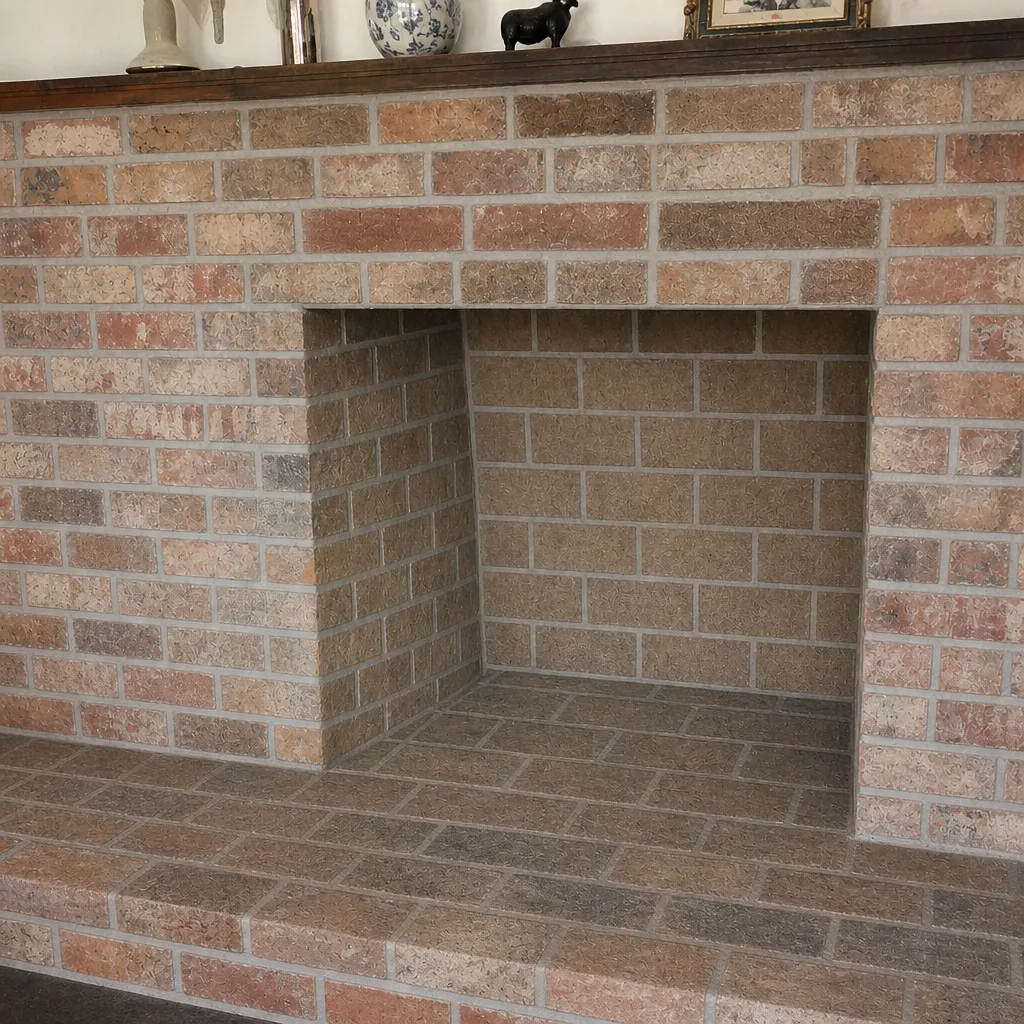
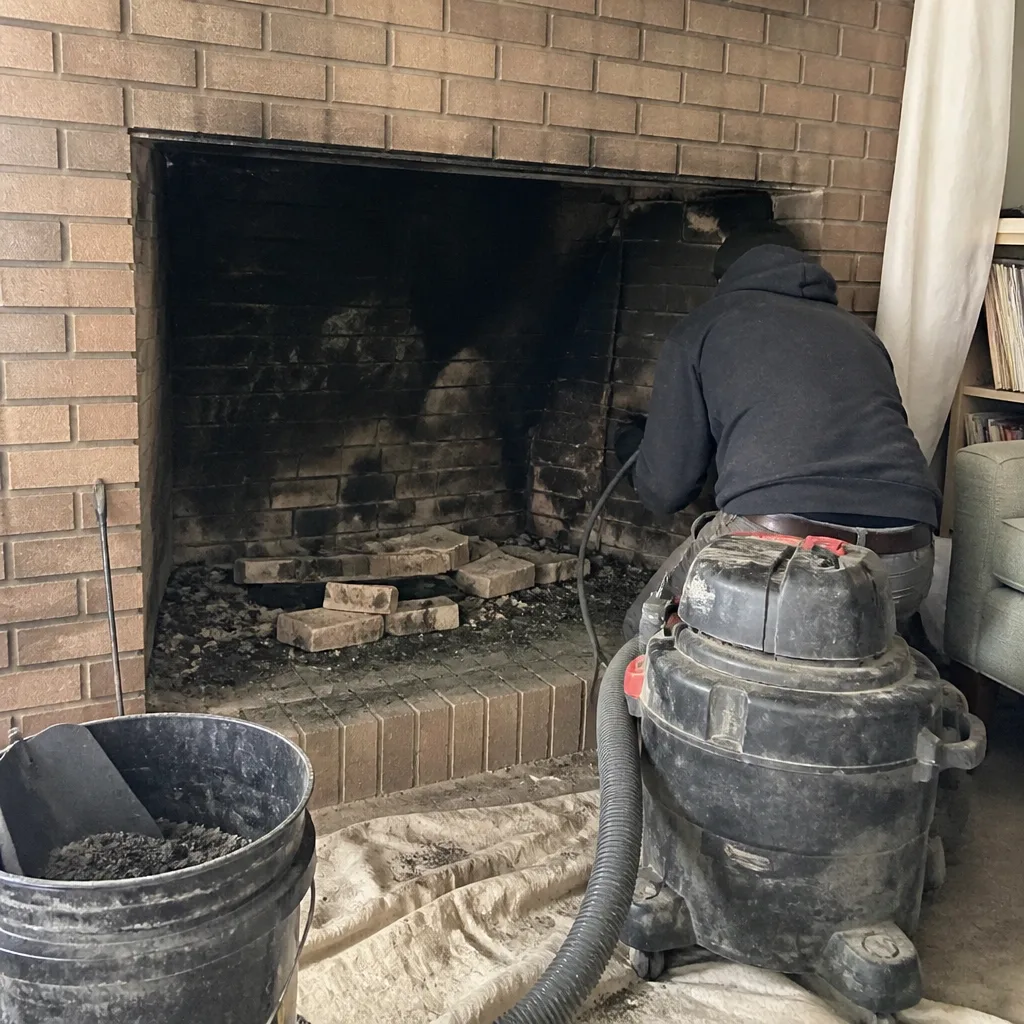
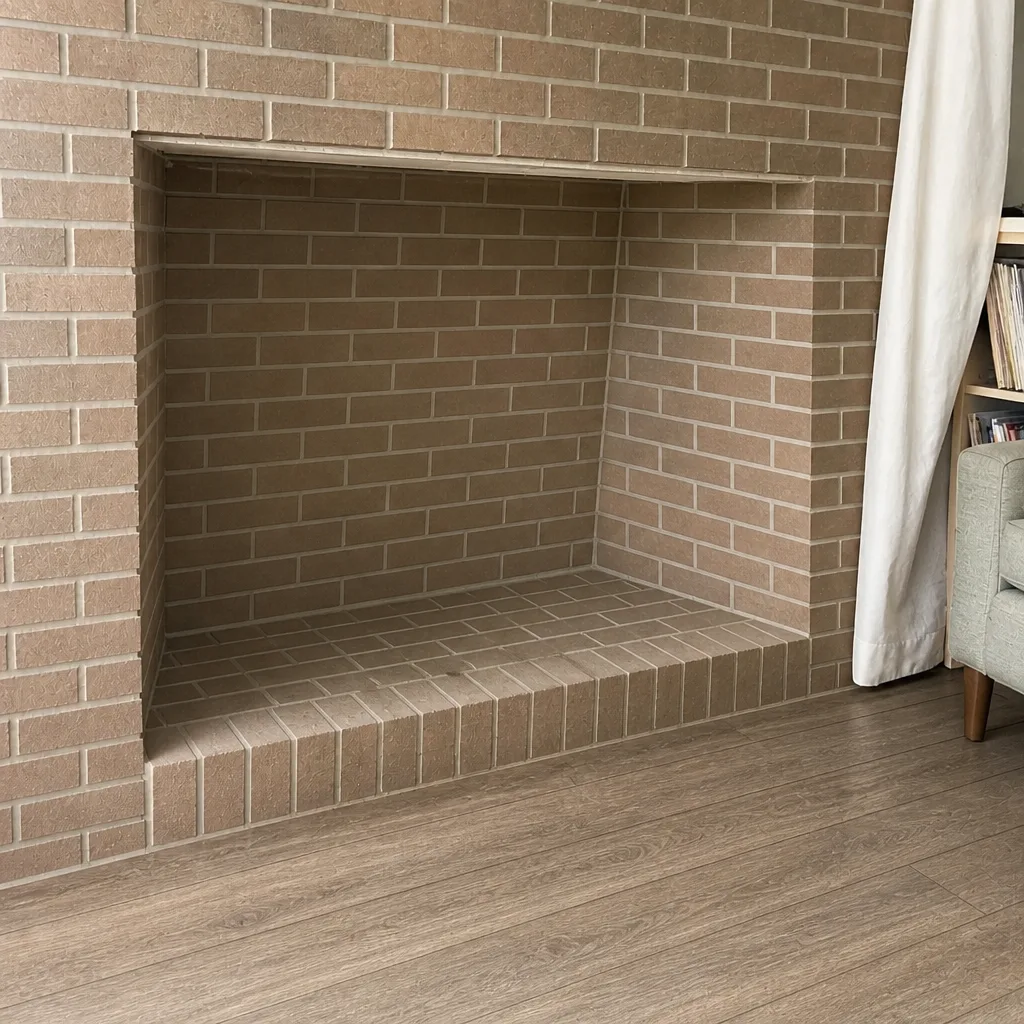
See the difference
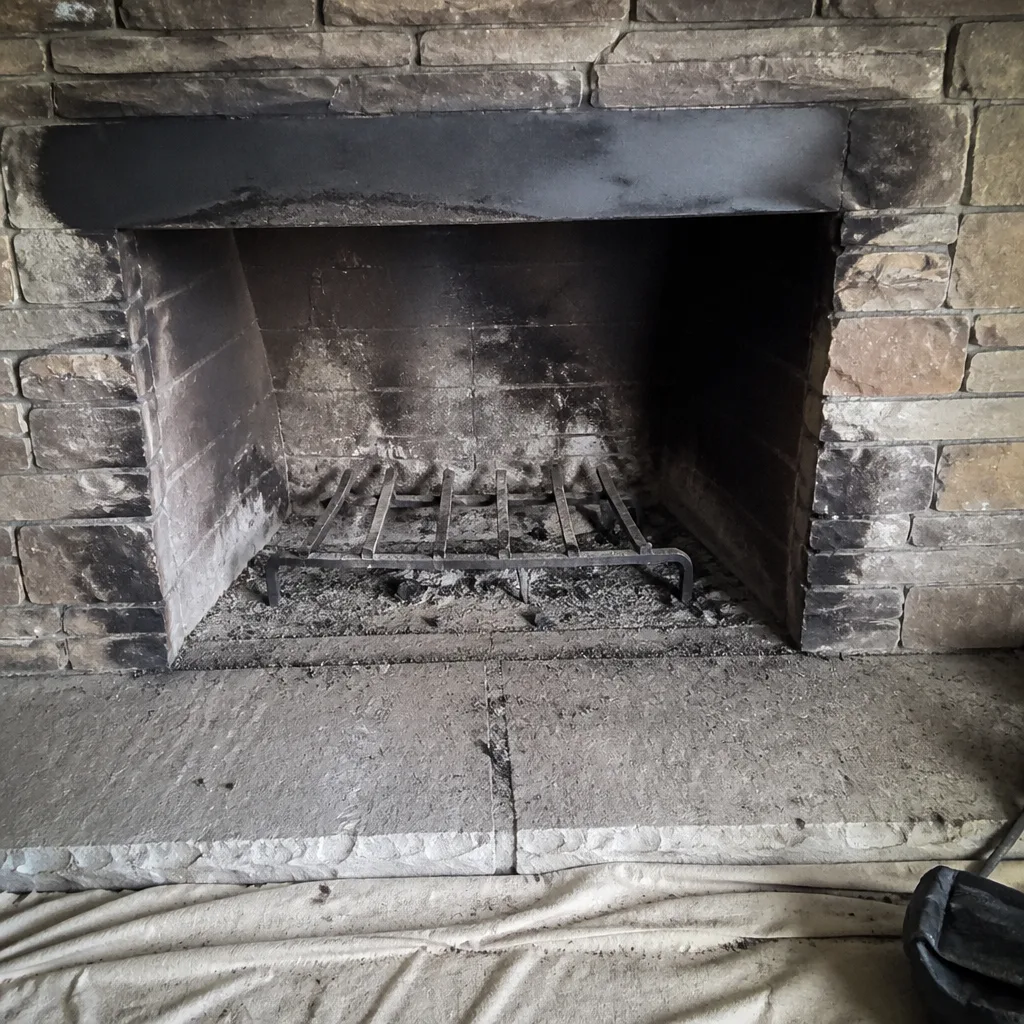 Before
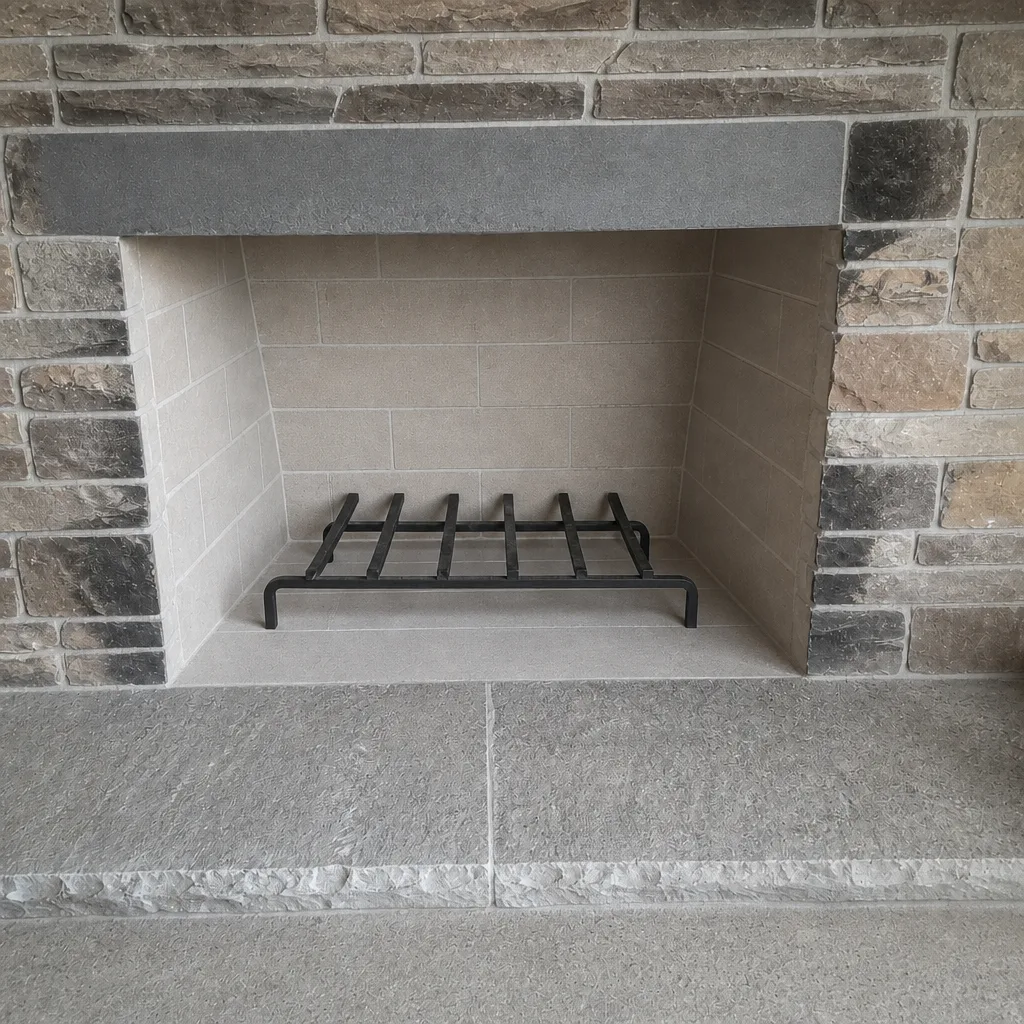 After
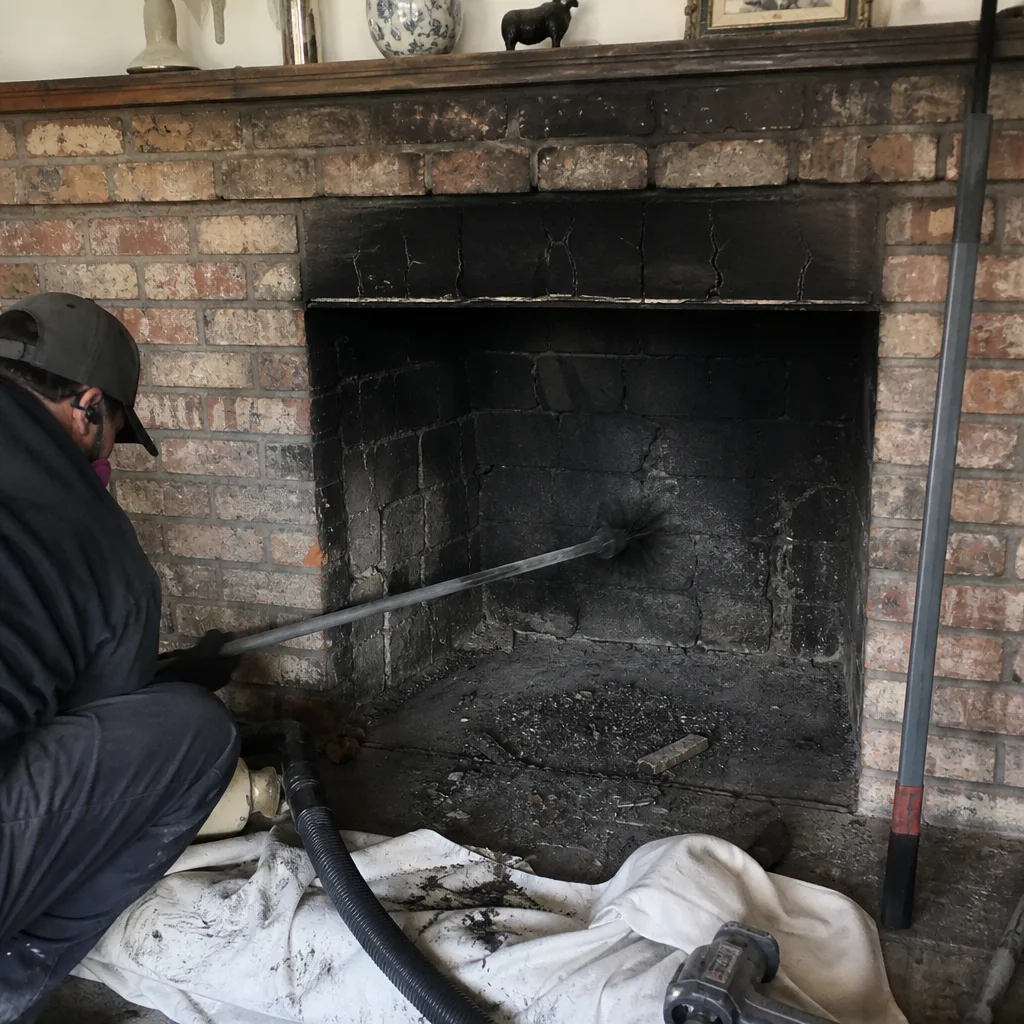 Before
 After
 Before
 After
When to Call a Professional
Call a professional if you’ve burned a full season since your last sweep, if you burn wood regularly and it’s been more than a year, or if you’ve moved into a house and don’t know when the flue was last cleaned. Call if you smell a strong creosote odor, if smoke rolls back into the room when the fire is lit, or if you see black staining around the firebox or the chimney top. Call if the damper sticks, if the cap is loose or missing, or if your dryer is taking longer to dry a load. Any of these is a reason to have the flue inspected with a camera. Forge Chimney Cleaning offers free estimates in Salt Lake City. Call (833) 497-1153.
Frequently Asked Questions
Once a year is the standard, particularly for a home that burns wood regularly through the winter. The honest answer depends on how much you burn and how well your flue drafts. A flue that runs cool accumulates creosote faster, and a season of smoldering fires can mean more buildup than a season of hot, active ones. An annual inspection with a camera settles the question for your specific flue. Call (833) 497-1153 for an exact quote. Estimates are free.
Only if the inspection shows your liner has actually failed, and you should see the photos before you agree to anything. A cracked or gapped liner lets creosote and heat reach the structure around it, and that’s a real hazard, but a recommendation to reline without evidence is a sales pitch, not a diagnosis. Ask to see the images and ask plainly whether the repair can wait. A fair contractor will tell you. Call (833) 497-1153 to book an inspection you can trust.
Creosote builds up in the flue, and that buildup is the fuel for a chimney fire. The risk grows with every season you skip, and a clogged flue also drafts poorly, which sends more smoke into your home. Skipping doesn’t guarantee a fire, but it removes the margin of safety. It’s the kind of thing that’s cheaper to check than to repair after the fact. Call (833) 497-1153 for an estimate before the burning season.
No. CSIA certification is a reasonable floor, and it’s worth checking, but it doesn’t tell you whether the company uses a camera, produces a written report, or can repair a liner. Those are the things that separate a diagnostic professional from a sweep-only crew. Ask the five questions in this guide, get the insurance certificate in writing, and read the report before you approve any work.
Yes, and it’s worth doing. A dryer vent full of lint is a genuine fire hazard, and it’s the second one in most homes that nobody checks. Booking both in one visit covers your chimney and your dryer vent with the same standard of evidence. We work with Salt Lake City homeowners on both, and the same camera-and-report approach applies to each. Call (833) 497-1153 to schedule.
Ask to see the photos and ask whether the work can safely wait. A legitimate problem will show up in the images, and a fair contractor will tell you when a repair can be scheduled for later. If a technician finds a crisis every visit and pushes you to approve it on the spot, get a second opinion. Evidence you can look at is the standard. Call (833) 497-1153 and we’ll show you what’s in your flue.
The Bottom Line
Hiring a chimney contractor in Salt Lake City comes down to separating diagnosis from cleaning. Verify the certification and insurance, ask the five questions before you book, and insist on a written report with photos you can actually read. The materials a company uses, from DuraFlex liners to HeatShield resurfacing, tell you how the rest of the job will go. Watch for quotes that skip the inspection or move their price on site, and don’t approve work you can’t verify. A clean flue is the goal, but a flue you understand is the real deliverable.
Forge Chimney Cleaning provides chimney sweep, chimney repair, and dryer vent cleaning for homeowners across Salt Lake City. Our technicians have up to 15 years of experience, and we specify trade-grade materials because your flue is only as reliable as what’s behind it. Call (833) 497-1153 for a free estimate. We answer 24/7. Fast dispatch from 7am to 7pm, Sunday through Friday.
Written by the team at Forge Chimney Cleaning.