
Last updated November 14, 2026
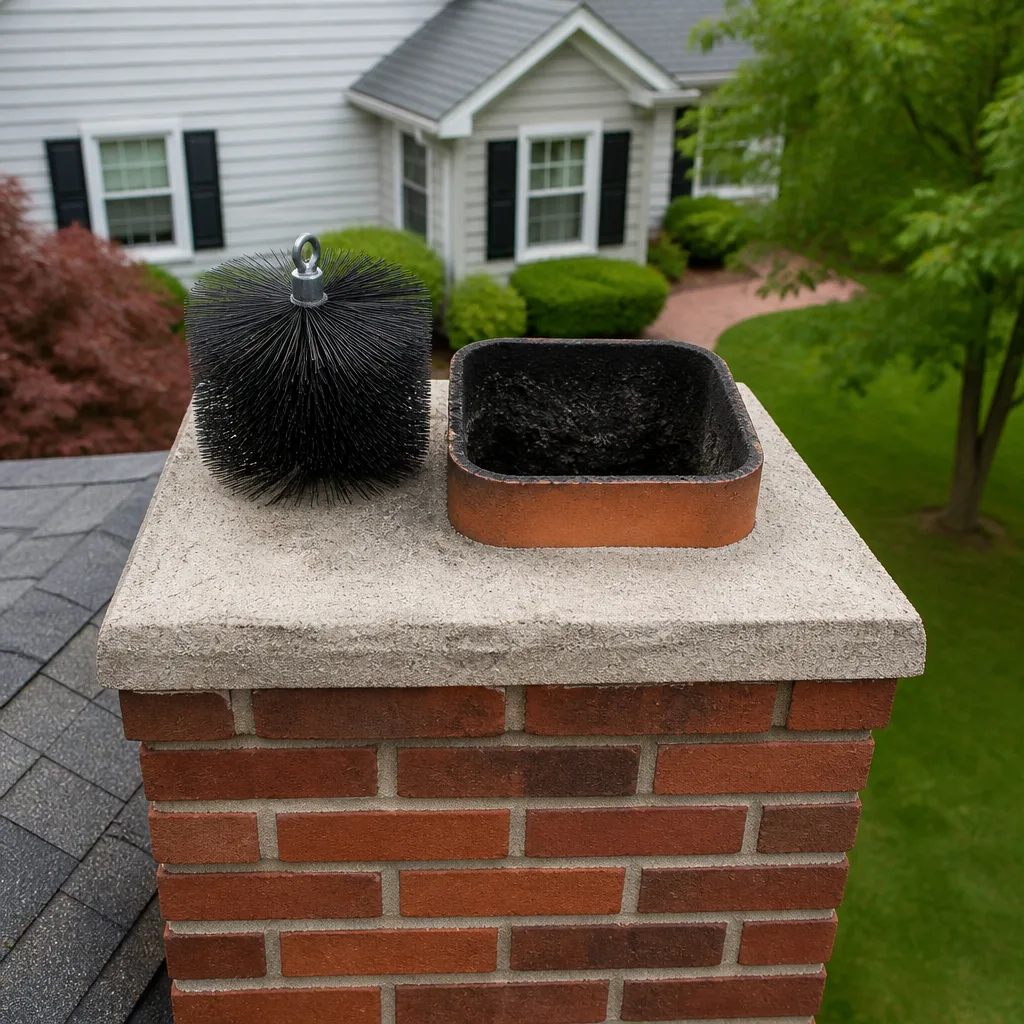 Sweep & inspection
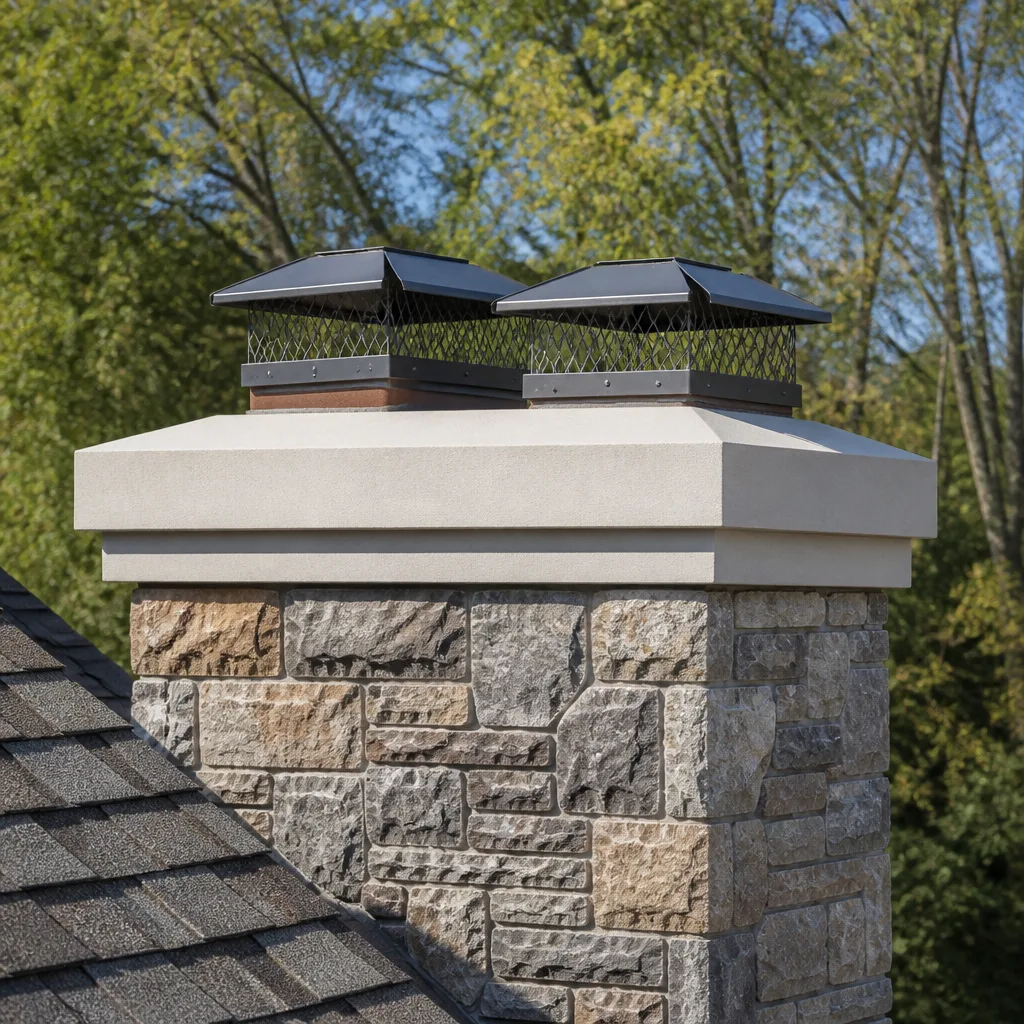 Caps & crowns
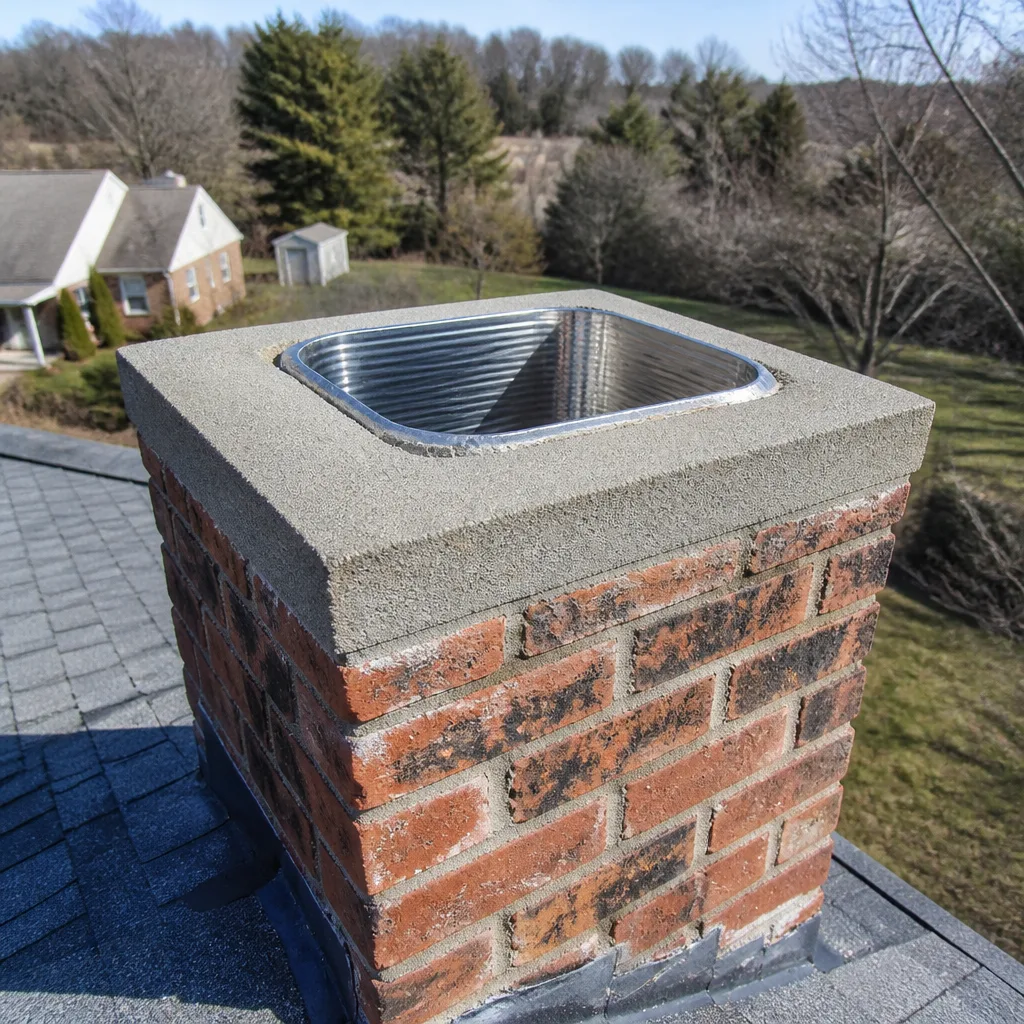 Flue relining
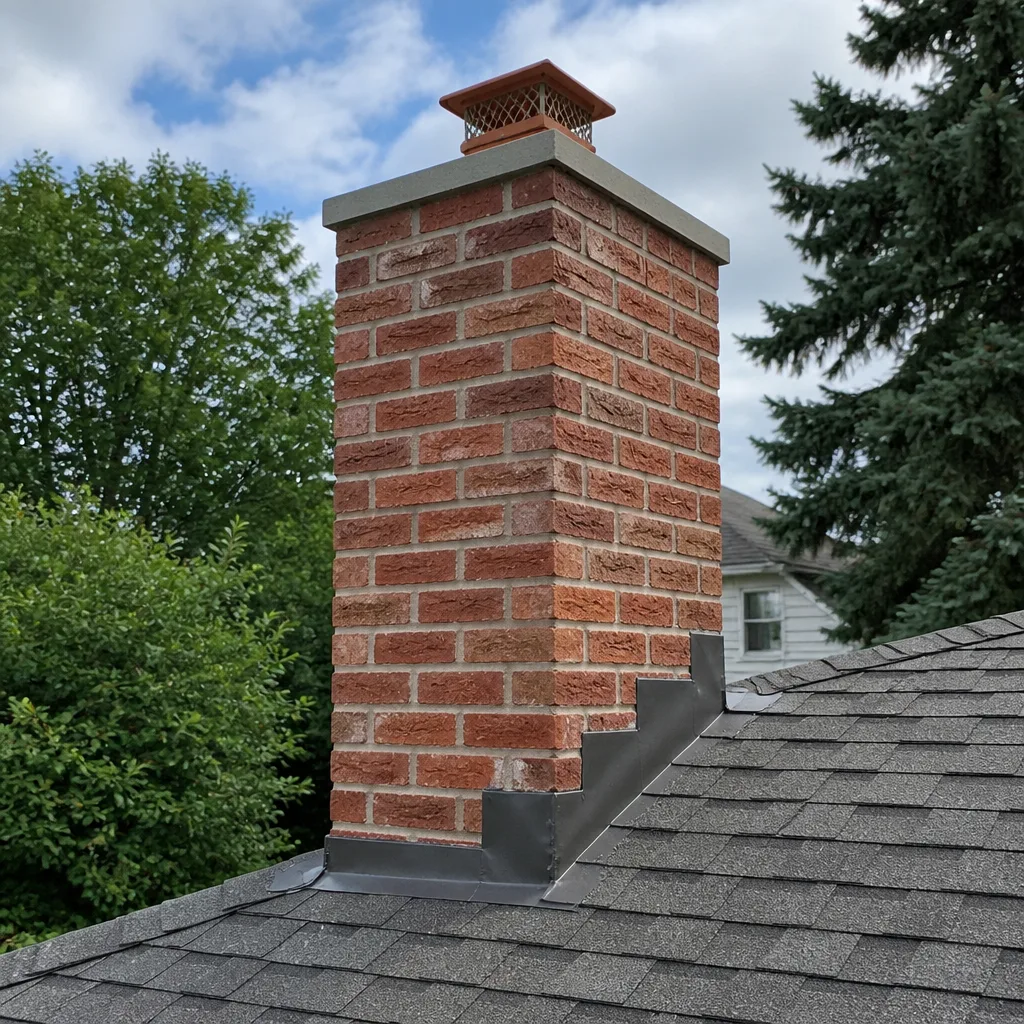 Masonry repair
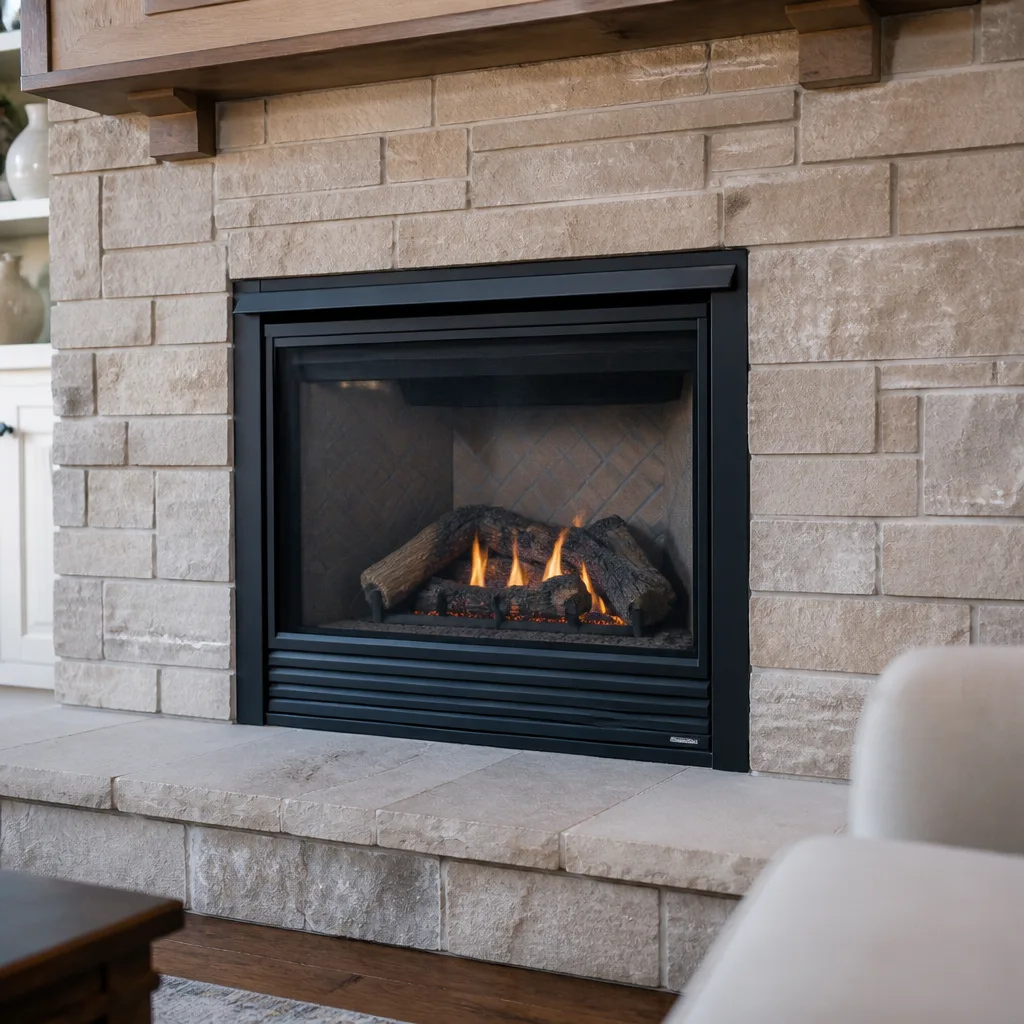 Gas fireplace service
Level 1 sweep and inspection to the NFPA 211 annual standard - flue, crown, cap, and flashing checked and photographed
Chimney sweep logs do not sweep chimneys. They loosen some creosote - which then falls where a brush and vacuum still have to collect it.
Seasonal Chimney Cleaning Care for Salt Lake City: Year-Round Homeowner’s Guide
Summer isn’t the off-season for your chimney. It’s when moisture works its way into masonry, when birds and squirrels treat an open flue like a rent-free apartment, and when the daily expansion and contraction of a sun-baked chimney quietly opens the cracks you’ll light a fire on top of in November. Most Salt Lake City homeowners think about their chimney exactly once, in the first cold week of fall, and that’s the worst possible time to discover a problem. This guide walks through what each of Salt Lake City’s four seasons actually does to a chimney and a dryer vent, what to check when, and how your burn habits feed directly into what a technician finds on the next visit. By the end you’ll have a year-round calendar you can actually follow.
Quick Answer
Chimney care in Salt Lake City should follow the seasons, not a single annual sweep: inspect and sweep in late summer or early fall before the first inversion-season burn, monitor for draft and odor changes mid-winter, assess masonry and moisture in spring after the freeze-thaw cycle, and use summer for animal-proofing, cap and crown inspection, and any liner repair that’s easier to schedule when the fireplace is cold. A once-a-year cleaning is a floor, not a ceiling, and how hard you burn in a given winter can push you past one sweep.
Styles & brands we work with
- Sweep & inspection
- Caps & crowns
- Flue relining
- Masonry repair
- Gas fireplace service
Table of Contents
- Fall: Getting Ahead of the First Inversion Burn
- Winter: Mid-Season Monitoring and the Creosote Glaze Problem
- Spring: Post-Season Moisture Assessment and Masonry
- Summer: Animal Intrusion, Caps, Crowns, and the Relining Window
- How Your Burn Habits Change What a Technician Finds
- The Dryer Vent Is Part of the Same Fire-Safety Calendar
- Your Year-Round Salt Lake City Chimney Calendar
- Common Mistakes to Avoid
Fall: Getting Ahead of the First Inversion Burn
The first cold snap in Salt Lake City usually arrives with a burn ban question attached to it. The valley’s winter inversions trap cold air under a warmer layer, and when particulate levels climb, wood burning gets restricted or discouraged by air quality rules. That means the worst time to schedule a sweep is the week everyone else decides to light their first fire and discovers the flue is blocked, the damper is stuck, or the chimney hasn’t been looked at since the previous spring. Book the inspection before the season turns, not after.
A proper pre-season visit should catch more than an accumulation of soot. Here’s what a fall inspection should cover:
- The flue interior: creosote load, glazing, and any obstruction – leaves, nests, or a detached liner segment.
- The damper: full travel, a clean seal, and no rust binding from summer humidity swings.
- The firebox and smoke chamber: cracked refractory, loose mortar, gaps that let smoke escape into the house.
- The cap and crown: whether the cap screen is intact and whether the crown has a crack that will let water in all winter.
- The exterior stack: flashing at the roofline, spalling brick, and the mortar joints most exposed to freeze-thaw.
Damper performance deserves its own test after a dry summer. Open and close it fully a few times before you ever light a fire. It should move without grinding, sit flush when closed, and stay open on its own when you let go. A damper that sticks open wastes heat and feeds the inversion; one that won’t open fully is a smoke-in-the-living-room problem waiting to happen. If it binds, that’s a repair item, not something to force.
This is also the moment to verify your detector situation before the first fire of the year. Carbon monoxide and smoke alarms should be tested and their batteries fresh. A chimney that drafts poorly under inversion conditions can push combustion gases back into the room, and that’s the scenario your alarms exist for. If a fall inspection turns up something that needs repair, we can work from camera evidence you can see for yourself before anything is recommended. Scheduling a chimney sweep before the first burn of the season is the single highest-value step on this whole calendar.
Winter: Mid-Season Monitoring and the Creosote Glaze Problem
Once you’re burning regularly, your chimney is telling you things all winter. The trouble is most people don’t know what to listen for. The signals that your burn load has outpaced a single annual cleaning are usually subtle at first, then not subtle at all. Watch for:
- Odor changes. A sharp, acrid smell when the fire is lit, or a strong smoky smell in the room when it isn’t, points to creosote buildup or a draft reversal.
- Draft problems. Smoke rolling out of the firebox on startup, a fire that’s hard to keep going, or a downdraft on windy days. On inversion days in Salt Lake City the whole valley’s air is stable and heavy, and a marginal flue will struggle more than usual.
- Visible creosote glaze. Shiny, glassy, tar-like deposits on the flue walls are stage-three creosote, and they don’t brush off with a standard sweep. Glaze is a fire-risk indicator and a repair signal.
- Soot on the glass or firebox face. A gas insert that’s leaving black streaks is telling you the burn isn’t clean or the venting is restricted.
- Creosote smell that lingers after the fire is out. That’s the residue that a mid-season sweep should address.
Here’s the part homeowners underestimate: how hard and how often you burn is what determines whether you need one cleaning a winter or two. A household that burns a fire most cold nights, using less-than-fully-seasoned wood, will accumulate creosote faster than a household that burns occasionally with dry, split, seasoned hardwood. If you’re a heavy burner in Salt Lake City, don’t assume the once-a-year schedule is enough. Mid-season monitoring is how you catch that before it becomes a chimney fire risk. Our technicians have up to 15 years of experience reading exactly these signals, and part of the job is telling you plainly when your burn pattern has pushed past what one cleaning covers.
Spring: Post-Season Moisture Assessment and Masonry
Winter is the season that does the quiet damage. Every time a fire burns, the chimney warms and the masonry expands. Every time it cools, the masonry contracts. Add snowmelt, rain, and the wide day-to-night temperature swings Salt Lake City gets at elevation, and you have a freeze-thaw cycle working on every mortar joint on the exterior stack, year after year. Spring is when you see what winter left behind.
A post-season moisture assessment should look at three things:
- The crown. That’s the concrete cap on top of the chimney. A hairline crack that seems harmless in summer lets water in all winter, and water freezing inside a crown widens the crack.
- Mortar joints. Raking out and repointing is normal maintenance on any brick chimney. What you don’t want is to leave deteriorated joints exposed through another winter.
- The interior flue. Water that gets past a damaged crown or failed flashing has to go somewhere, and it usually finds the flue. Staining, efflorescence (that white powdery deposit), and flaking on the interior are all moisture evidence.
Spring is also the right time to schedule waterproofing on masonry that’s in good repair. Waterproofing a chimney with active cracks or deteriorated mortar traps moisture in rather than out, so the sequence matters: repair first, then seal. That’s the kind of judgment call a generalist cleaning crew won’t make for you.
Elevation matters here. Salt Lake City sits high enough that the masonry goes through more freeze-thaw cycles than a lower-altitude city would see over the same winter, and the swing between a warm afternoon and a cold night is what opens cracks. If your spring inspection turns up something that needs resurfacing, this is the window to plan it. We work with Forge Chimney Cleaning on repair-grade resurfacing, and a spring assessment gives you the whole summer to schedule the work rather than discovering it in October.
Summer: Animal Intrusion, Caps, Crowns, and the Relining Window
Summer is when your chimney collects problems. It’s also when it’s easiest to fix them. An uncapped or damaged flue is an open door for birds, squirrels, and raccoons looking for a place to nest, and a nest in the flue blocks draft and creates a fire hazard the moment you light up in fall. A properly screened cap keeps animals out without restricting the draft. Checking that cap is one of the cheapest preventive steps on this list.
The crown gets the same treatment. Look for cracks, crumbling, or separation from the flue tile. A crown is meant to shed water away from the stack, and a failed crown fails silently until you find water damage inside the flue in the spring.
Then there’s the reason summer is the best window for liner work. The fireplace is cold, so a technician can inspect the full flue without working around a hot box, and you’re not racing the first cold snap. If a fall or spring inspection flagged a damaged flue liner, relining is a repair, not a cleaning, and doing it in summer means it’s done before you want to burn again. A flexible liner system is installed down the length of the flue, and the materials make a real difference to how long it lasts. We specify professional-grade products including HeatShield for flue resurfacing, along with DuraFlex liner systems and components from makers like Olympia Chimney and Gelco, because those are the materials the pro trade uses. Trade-grade materials, not off-the-shelf substitutes.
Use summer to plan. If a liner is degrading, a crown is failing, or the firebox has a crack, a summer repair schedule means the work is finished long before you think about lighting a fire. And a full summer inspection is the only honest way to know whether you actually need repair work at all. Nothing gets recommended without camera evidence you can see for yourself, and there’s real value in hearing a technician say the chimney can safely wait another year. We’ll tell you when to spend and when to wait.
How Your Burn Habits Change What a Technician Finds
The deposits a technician sees in your flue are a direct record of how you burned the previous season. Three habits matter most.
- Wood type and moisture. Burning wet or unseasoned wood produces more creosote than burning dry, seasoned hardwood. It also produces less heat, so you burn more wood to get the same warmth, which compounds the deposit rate.
- Seasoning. Split wood needs time to dry before it burns cleanly. Wood that was cut this summer may not be ready this winter, and stacking it under cover well before the season is what makes the difference. Wet wood is the single most common cause of excess creosote we see in Salt Lake City homes.
- Fire frequency and burn temperature. A slow, smoldering, air-starved fire deposits far more creosote than a hot, active fire. A fireplace that’s choked down to a trickle overnight is where glaze forms.
The same logic tells a technician what to expect at the next visit. A household that burns dry seasoned wood, keeps the fire hot, and burns a few nights a week presents very differently than a household that runs a smoldering fire most cold nights on wet wood. That’s how we make a call about whether you’re on a once-a-year cleaning or a more frequent one. When you book, tell us roughly how often you burn, what you burn, and how long your wood has been drying. It makes the inspection more useful.
For gas inserts, the habits shift: the fuel is clean, but the question becomes whether the venting connected to the insert is clear and correctly sized, and whether the unit is leaving soot evidence of an incomplete burn. That’s an inspection item, not a sweeping one, and it belongs on the same annual calendar.
The Dryer Vent Is Part of the Same Fire-Safety Calendar
Your dryer vent has an annual maintenance rhythm too, and it’s easy to forget in a house where everyone focuses on the fireplace. Lint accumulates in the dryer duct and around the dryer, and a restricted duct reduces airflow, runs the dryer hotter, and increases fire risk. Salt Lake City’s dry air doesn’t protect you here; the dust and lint still collect. Check the flexible connection behind the dryer and the exterior vent flap, and if the dryer takes longer to dry a load or the outside flap is clogged with lint, that’s a sign the duct needs attention.
Pairing dryer vent cleaning with your annual chimney sweep keeps two of a home’s most overlooked fire hazards on one schedule. One visit, two systems checked. That’s the practical case for doing both together.
Your Year-Round Salt Lake City Chimney Calendar
Here’s the whole year condensed into a checklist. Print it, stick it on the fridge, and you’ll have what most homeowners never have: a plan.
- Early spring (after your last fire): Post-season moisture assessment. Look at the crown, mortar joints, and any signs of interior water damage. Schedule waterproofing after repairs, not before.
- Late spring: Arrange any resurfacing or relining flagged during the season. The fireplace is cold and the calendar is open.
- Summer: Inspect the cap and crown, animal-proof the flue, and schedule any liner repair or relining work now. This is your best window for repair projects.
- Late summer or early fall (before the first burn): Full inspection and sweep. Test the damper through its full travel. Test your carbon monoxide and smoke detectors. Do this before the inversions set in, not after.
- Throughout winter: Monitor for odor changes, draft problems, and visible glaze. If you’re a heavy burner on seasoned hardwood, watch for signs you’ve outpaced one cleaning.
- Once a year, any time: Dryer vent check, ideally paired with your chimney service.
The calendar is the point. Care that follows the seasons calibrates to what each one deposits and demands, rather than a single visit that only addresses whatever happened to be there in fall. For more on the specific services behind each step, the Salt Lake City page and the rest of this site cover the details of each one.
Common Mistakes to Avoid
- Scheduling a sweep in the first cold week of fall. Everyone in Salt Lake City lights up at once, and you’ll be competing for appointments while your fireplace sits unused. Book in late summer instead.
- Assuming one cleaning a year is always enough. Heavy burning on wet wood can push you past one cleaning. If you smell wild creosote or see glaze, call for a mid-season look.
- Waterproofing before repairing. Sealing a chimney with active cracks or bad mortar traps moisture in. Repair the masonry first, then waterproof.
- Burning unseasoned wood to stretch the winter. Wet wood produces creosote and less heat. It’s a false economy that shows up in the flue.
- Leaving the flue uncapped all summer. Birds and squirrels nest in open flues every warm season in Salt Lake City. A screen cap is cheap protection.
- Forgetting the dryer vent. A clogged dryer duct runs hot and is a fire hazard. It belongs on the same annual calendar as the chimney.
- Lying to yourself about “just a little frost.” A recurring crack in the chimney crown isn’t cosmetic. It’s where moisture gets in all winter.
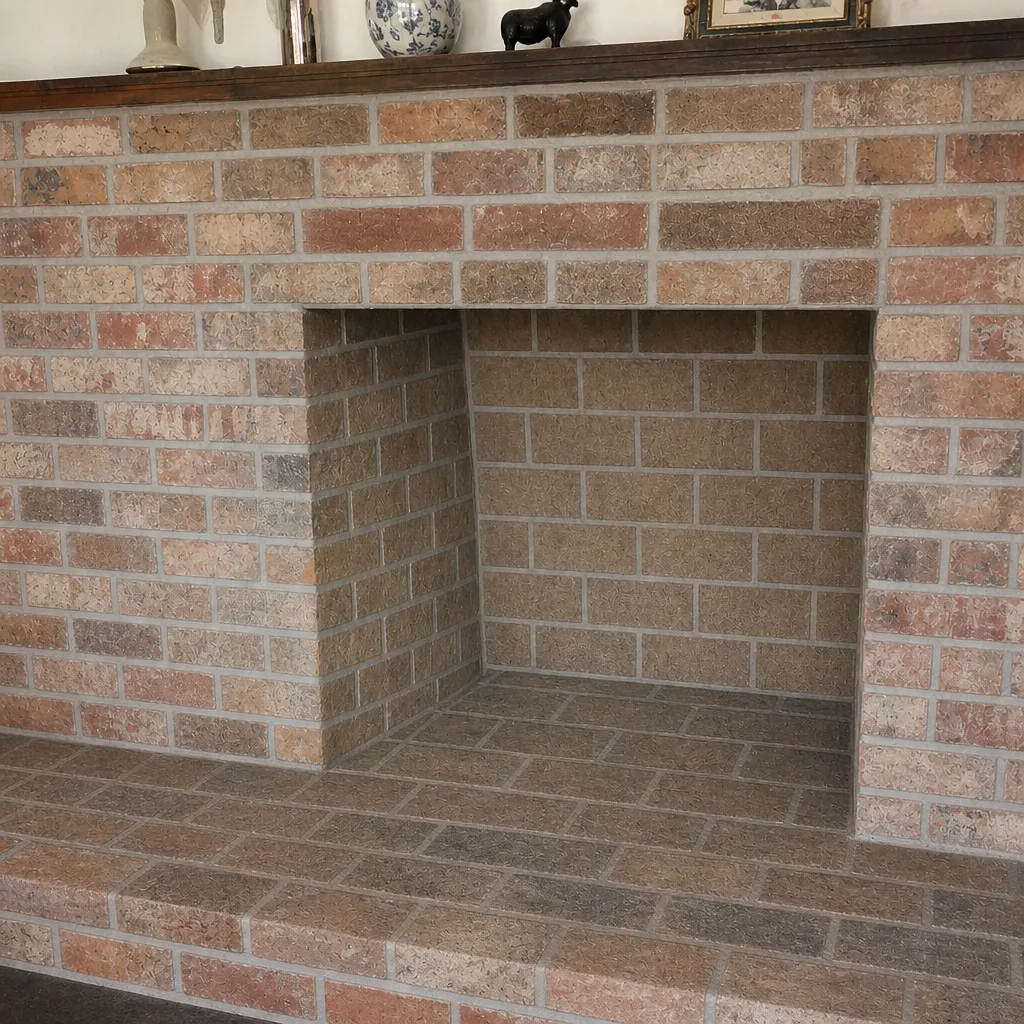
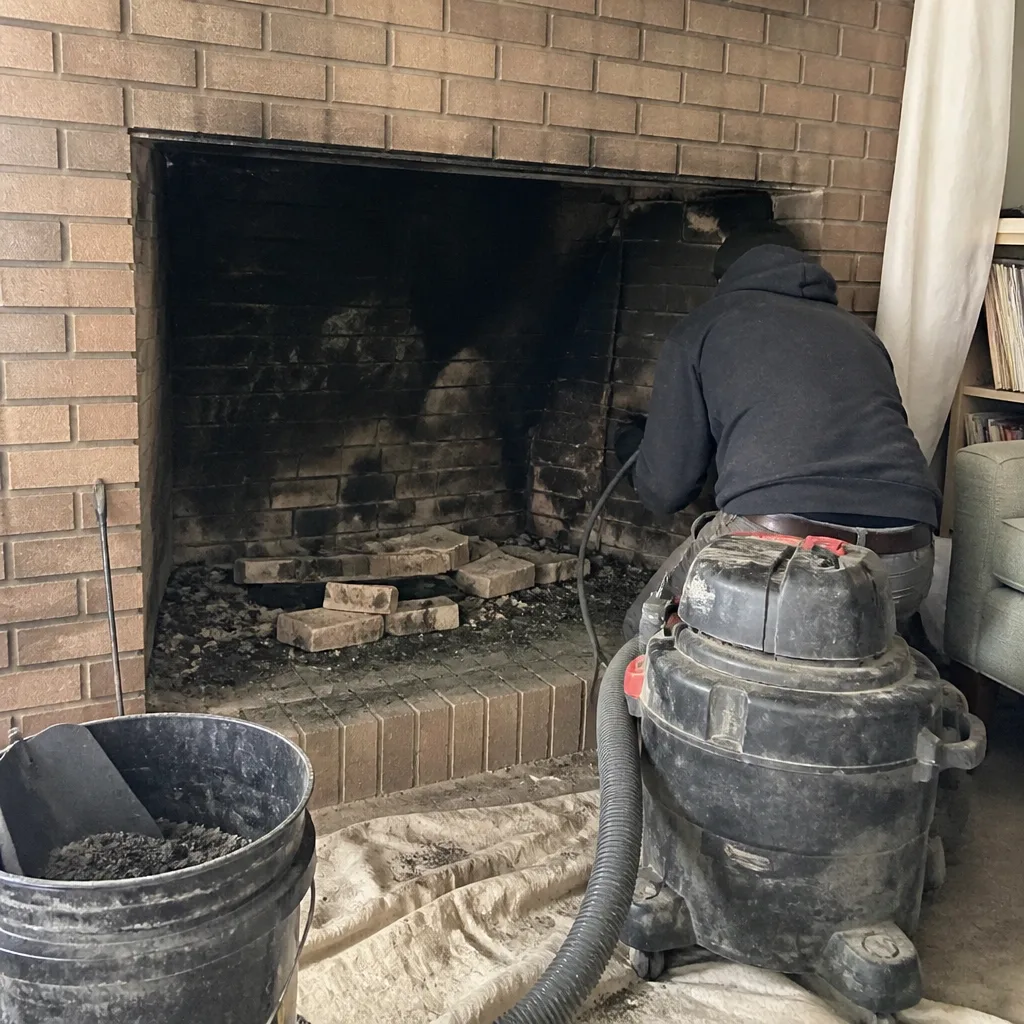
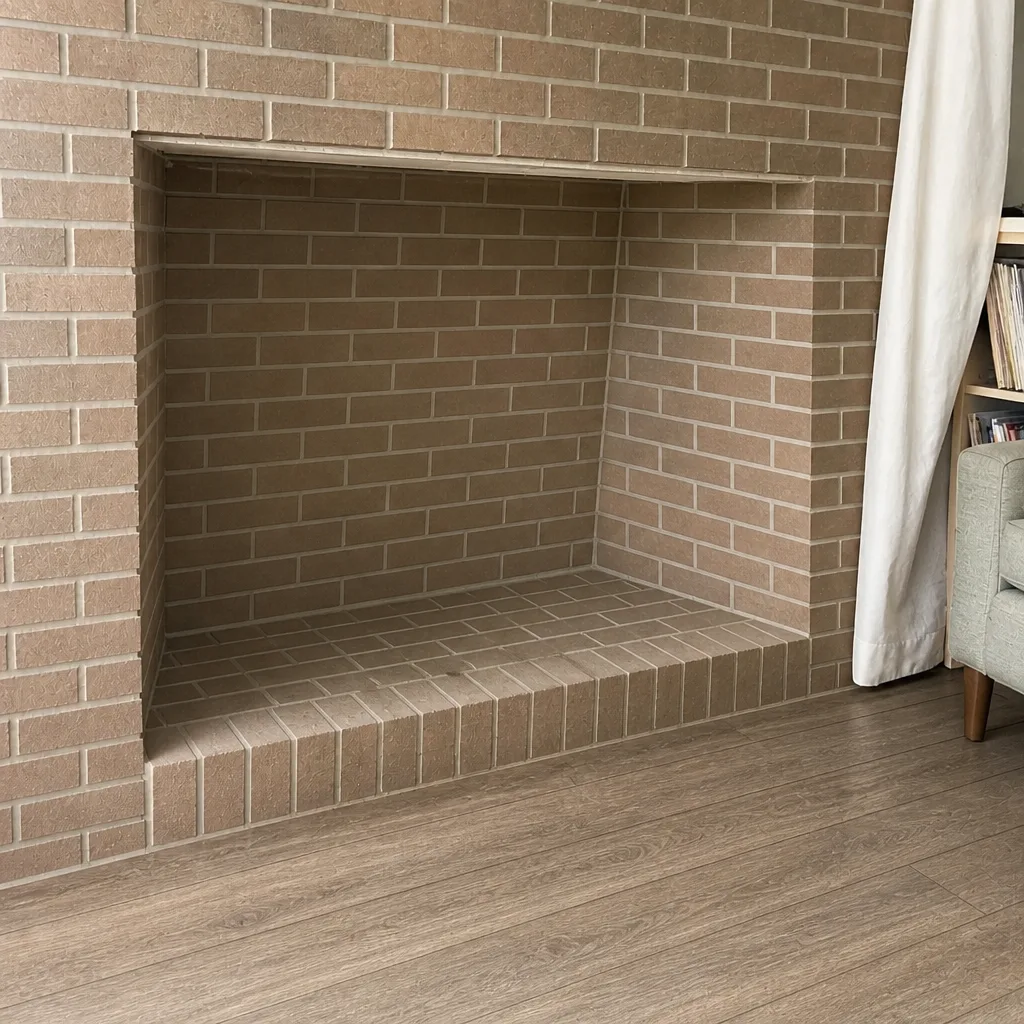
See the difference
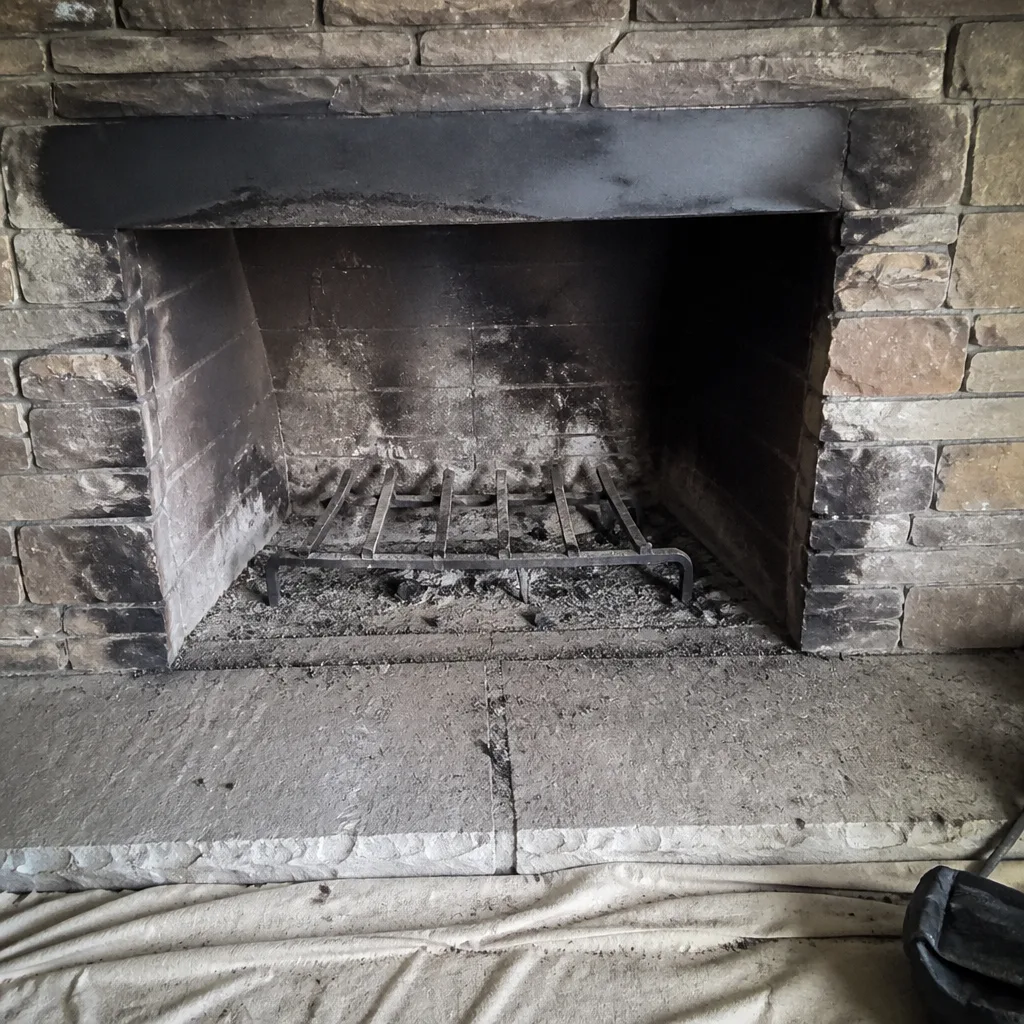 Before
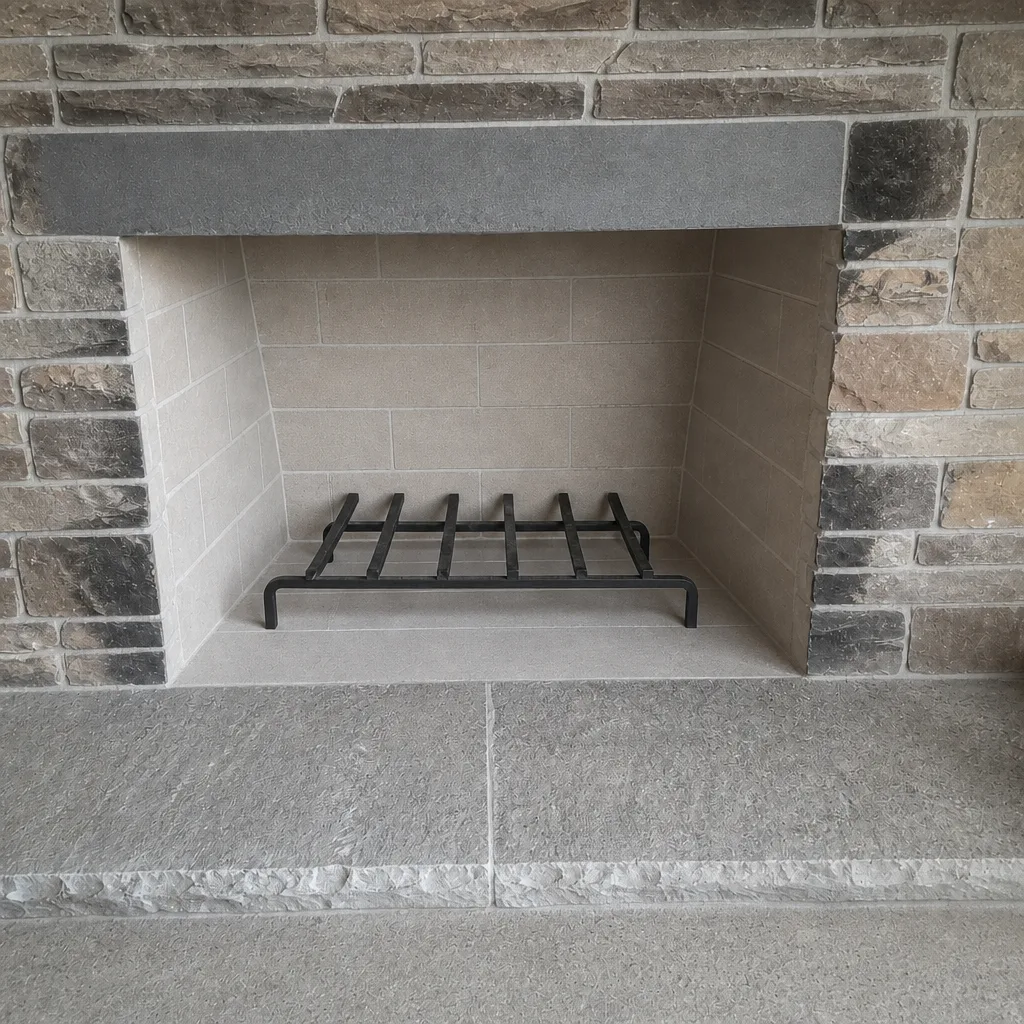 After
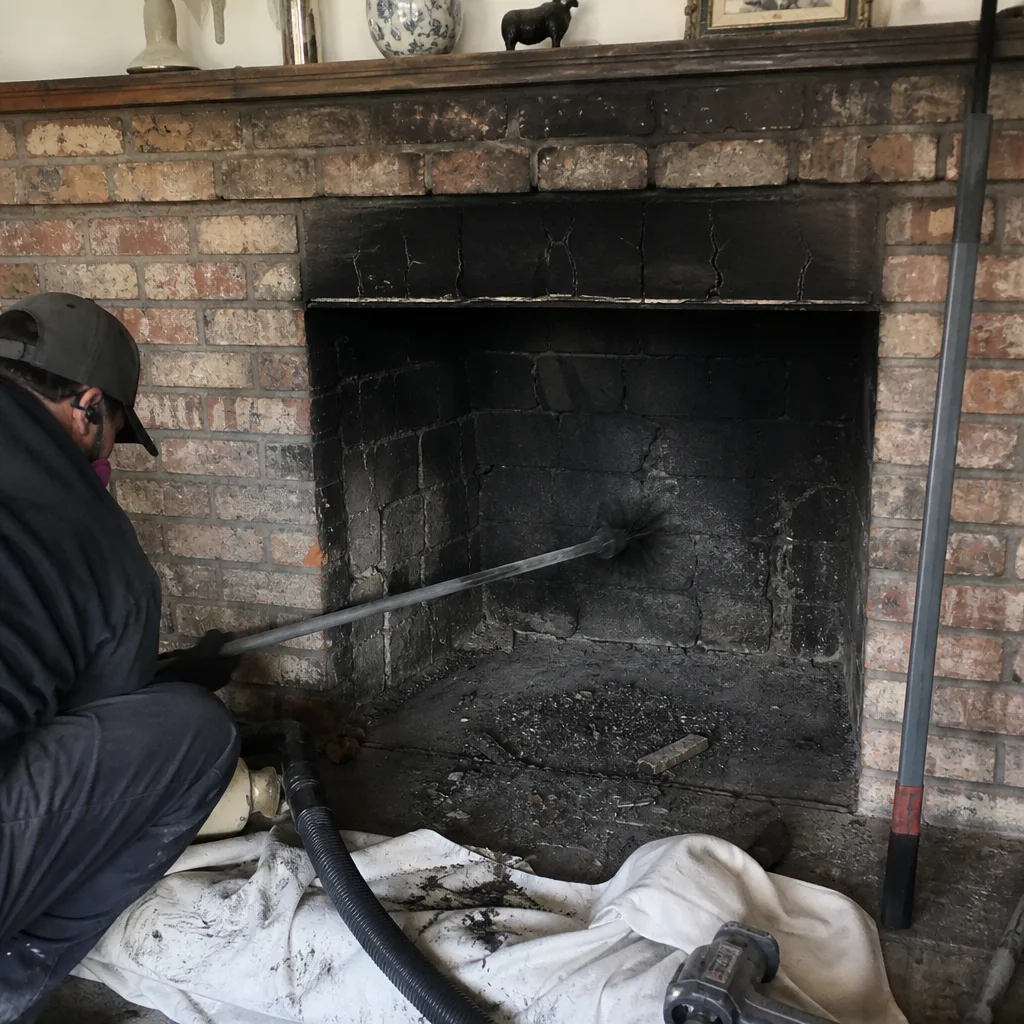 Before
 After
 Before
 After
When to Call a Professional
Some of this work you can do yourself: inspect the cap, check the crown, test the damper, listen for draft changes, and clear lint from the dryer. The interior flue, creosote removal, relining, and flue resurfacing are a different category of work. Call us when you see creosote glaze, when a fire smokes into the room, when a cap or crown needs replacing, when you suspect animal intrusion, or when a spring moisture assessment turns up cracks or efflorescence. Call us before the first burn of the season even if nothing looks wrong, because a camera inspection is the only honest way to know. High-tension spring and cable work on a garage door and electrical and gas work are safety-critical, and chimney interior work belongs in the same category: a trained professional should handle it. Forge Chimney Cleaning offers free estimates in Salt Lake City. Call (833) 497-1153. We answer 24/7, with fast dispatch from 7am to 7pm, Sunday through Friday.
Frequently Asked Questions
Once a year is the baseline for most homes, and that’s the floor, not the ceiling. If you burn heavily through the winter, burn wet or unseasoned wood, or run a smoldering fire, you may need a mid-season cleaning. The right answer for your house depends on how you burn, which is exactly why a proper inspection is worth the call. Call (833) 497-1153 for a free estimate.
Yes, and summer is often when the real damage gets started. An uncapped flue invites animals and nests, sun and rain work on the crown and mortar, and moisture that gets into the masonry all summer is what you’ll find when the cold weather starts. Summer is also the best window for relining and repair work because the fireplace is cold. Call (833) 497-1153 to plan summer work before the season turns.
Soot is the powdery black residue that a standard sweep removes. Creosote can be powdery, crusty, or a shiny tar-like glaze, and the glazed stage is the one that brushes off poorly and signals a fire risk. Glaze usually means your burn habits have produced more buildup than one annual cleaning covers. Call (833) 497-1153 if you see shiny, tar-like deposits in the flue.
Chemical products can soften certain deposits but they don’t replace a physical sweep and an inspection of the flue. A technician needs to see the inside of the flue to know what’s actually there. Skip the shortcut and have the flue looked at. Call (833) 497-1153 for a free estimate.
Summer is the best window. The fireplace is cold, technicians can inspect the full flue without working around a hot box, and there’s no first cold snap bearing down. If a spring inspection flagged a liner problem, plan the work for summer. We work with DuraFlex liner systems and HeatShield resurfacing, and nothing gets recommended without camera evidence you can see. Call (833) 497-1153 to schedule.
If you’re seeing odor changes, draft problems, or visible glaze, don’t wait for fall. Those are the signals that your burn load has pushed past one annual cleaning, and a mid-season sweep addresses them before they become a chimney fire risk. Call (833) 497-1153. We answer 24/7, with fast dispatch from 7am to 7pm, Sunday through Friday.
The Bottom Line
Chimney care in Salt Lake City works best on a seasonal system, not a single annual visit. Sweep and inspect in late summer or early fall before the inversion season, monitor draft and creosote through winter, assess moisture and masonry in spring after the freeze-thaw cycle, and use summer for animal-proofing and any liner repair or relining work. Your burn habits feed directly into what a technician finds, so dry, seasoned wood and a hot fire are part of the maintenance plan. Pair the chimney with a yearly dryer vent check, and you’ve covered the two most overlooked fire hazards in the house under one schedule. Wondering what your specific chimney needs? Call (833) 497-1153 for a free estimate.
Written by the team at Forge Chimney Cleaning.